中文    English

Journal of library and information science in agriculture


Knowledge Reuse and Research Output among Prolific Scholars: An Impact Analysis from the Perspective of Lexical Functions

WANG Zixu1, ZHENG Xing2, MA Jinfeng1, WANG Yuyan3   

  1. 1.Library(ntellectual Property Information Service Center), Hainan University, Haikou 570228
    2.College of Marine Biology and Fisheries, Hainan University, Haikou 570228
    3.Department of Medical Services, Renmin Hospital of Wuhan University, Wuhan 430060
  • Received:2026-05-29 Online:2026-09-08

Abstract:

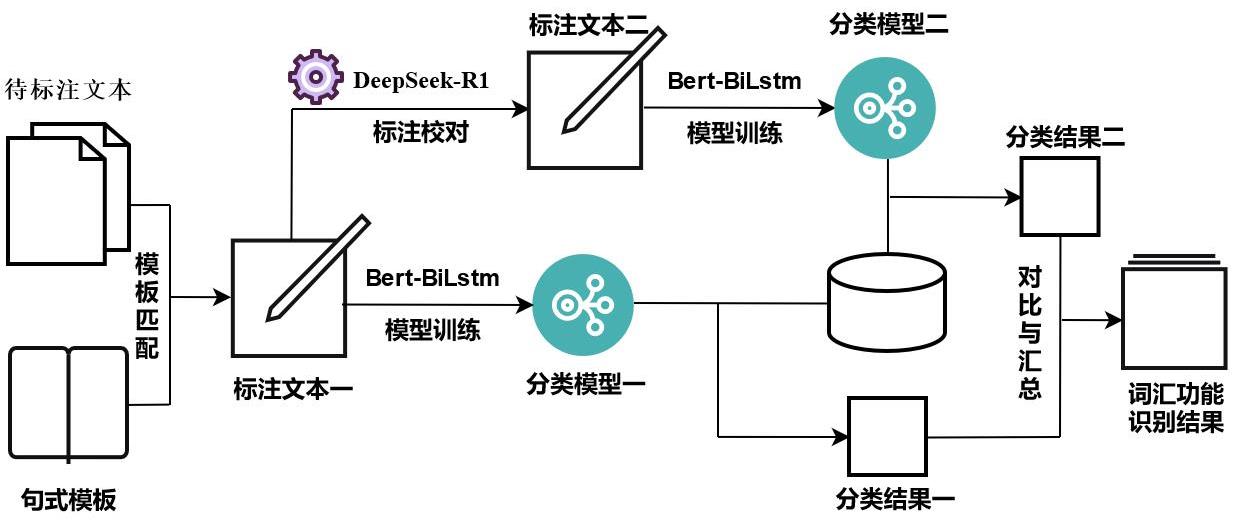
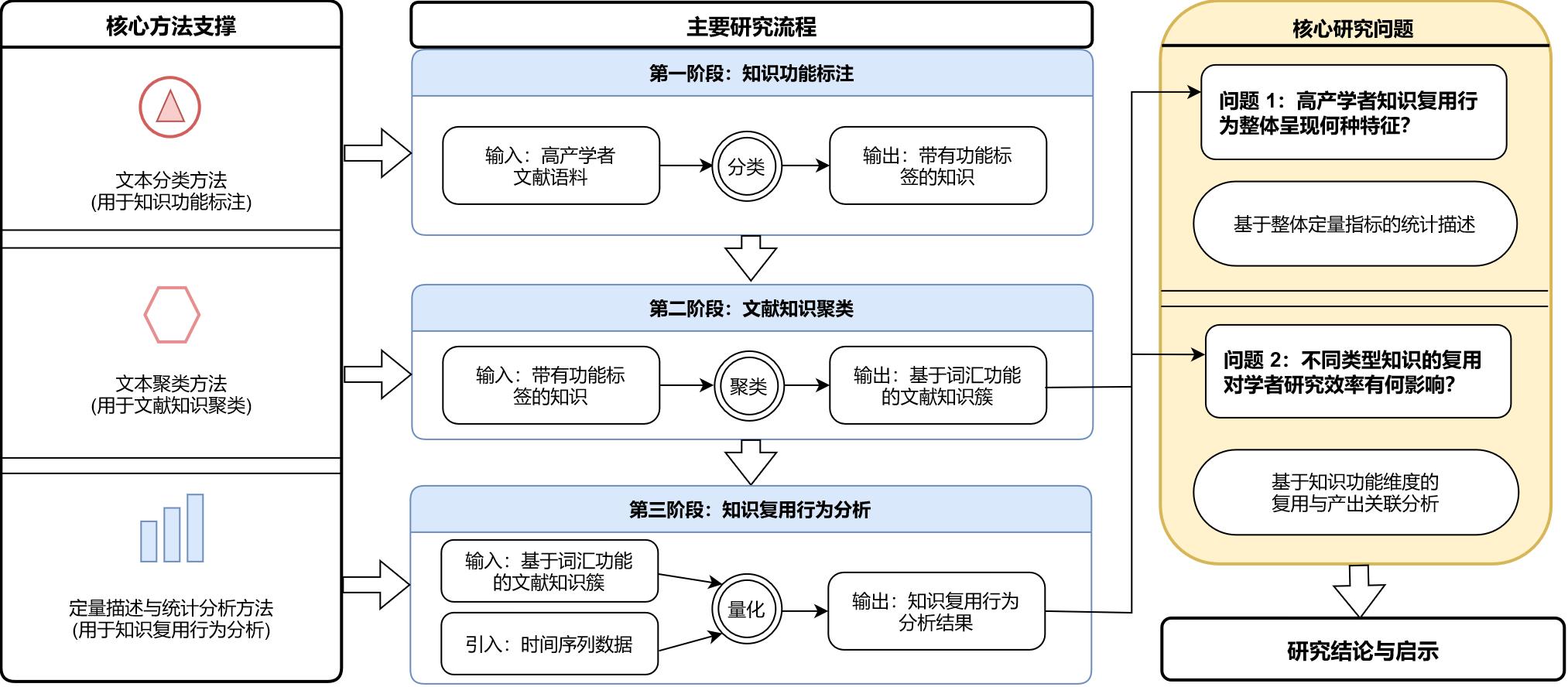
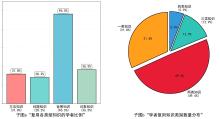
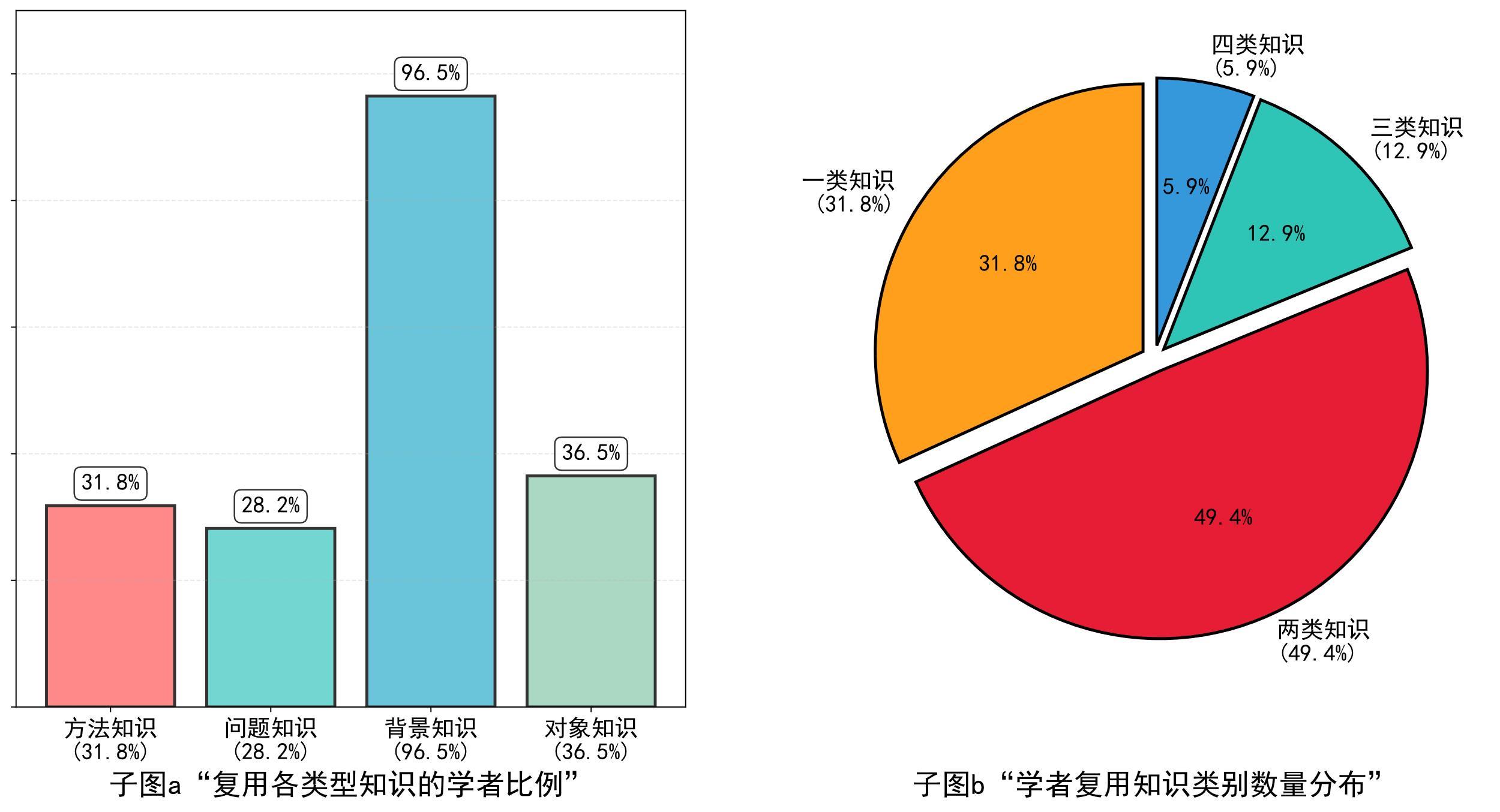
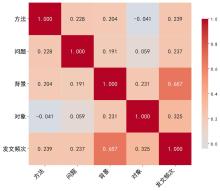
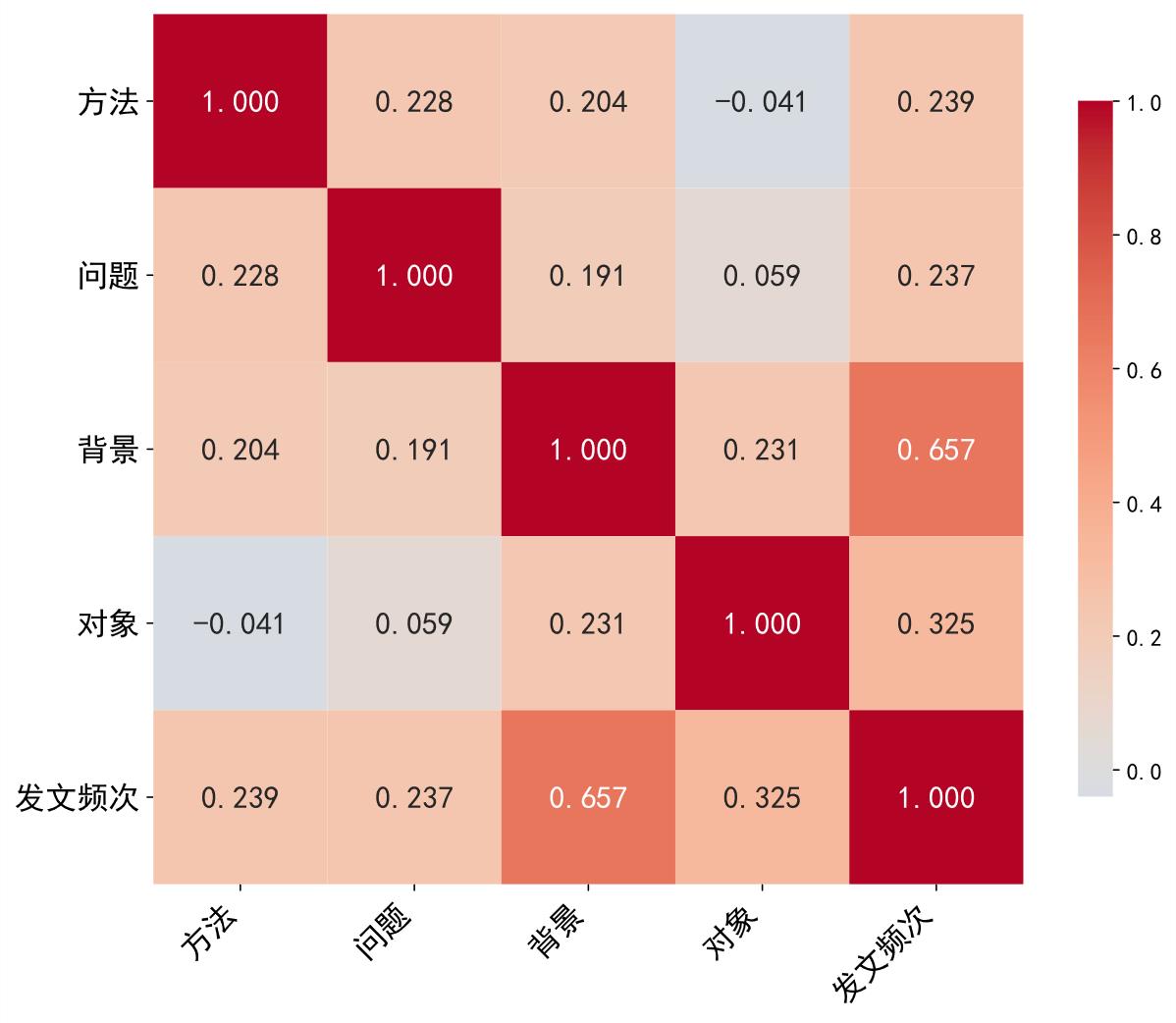
[Purpose/Significance] In the current landscape of global scientific competition, understanding how top researchers reuse existing knowledge is critical for talent development and research policy. Prior studies has mainly examined high-performing scholars via macro-level indicators such as age, education, and institution, but has not penetrated the micro-level behavioral processes of knowledge reuse in actual practice. To fill this gap, this study adopts a lexical semantic function perspective that distinguishes knowledge into four functional types - method, problem, background, and object - based on their specific semantic roles within academic texts. This framework enables us to assess how scholars reuse these types and the independent and joint effects of each type on publication output. The findings provide empirical evidence that can guide targeted training, research management, and knowledge resource allocation, thereby contributing to both theory on knowledge management and practical efforts to foster scientific innovation. [Method/Process] This study collected 15 471 articles (2020-2024) from 18 CSSCI-indexed library and information science (LIS) journals in China, extracting author, keyword, title, and abstract fields. To classify keywords into functional types, this study implemented a hybrid pipeline that combined template-based labeling, large language model (DeepSeek-R1) validation, and Bert‑BiLSTM classification. After annotation, this study applied K‑means clustering to aggregate knowledge items within each functional category into thematic clusters based on co-occurrence patterns with other functional types, thereby transforming individual keywords into broader knowledge units that better capture scholars' thematic continuity. For 85 prolific scholars identified by Price's Law, this study quantified reuse intensity using the Herfindahl-Hirschman index and derived a knowledge focus metric (ranging from 0 to 1, with higher values indicating greater concentration) for each of the four functional categories. This study then performed Spearman correlation and multiple linear regression analyses, including interaction terms, to examine the relationships between knowledge focus and publication frequency, while controlling for multicollinearity and testing synergistic effects among knowledge types. [Results/Conclusions] Knowledge reuse is nearly universal among prolific LIS scholars: 96.5% exhibit high reuse (knowledge focus≥0.5) for background knowledge, whereas only about 30% show similar levels for method, problem, or object knowledge. This dominance indicates that sustained thematic engagement serves as the primary foundation for high productivity. Most scholars (49.4%) reuse knowledge across exactly two functional categories, revealing a "dual‑dimension anchoring" strategy that combines stable background with one other dimension. Correlation analyses show that knowledge focus in all four categories is significantly positively associated with publication frequency, with background knowledge having the strongest correlation (r=0.657, p=0.005), followed by object (r=0.325). Regression confirms significant independent positive net effects for each type. More importantly, interaction analysis reveals a strong synergistic effect between method and background reuse (coefficient=94.460, p=0.001), indicating that scholars who maintain high methodological consistency within a coherent thematic domain achieve substantially greater output than the sum of individual effects. No other interactions are significant. These findings suggest that background knowledge accumulation should be prioritized in early-career training, and that methodological instruction should be integrated with domain applications to exploit the synergy. Limitations of this study include neglecting knowledge half‑life and potential contextual variability in functional classification. Future work should incorporate temporal dynamics and refine recognition using large language models for more adaptive cross‑disciplinary analysis.

Key words: knowledge reuse behavior, prolific scholars, Herfindahl index, lexical function recognition, literature knowledge clustering

CLC Number: 

  • G252

Fig.1

Procedure for identifying lexical functions"

Fig.2

Research framework diagram"

Table 1

Classification criteria for lexical functions"

功能类别划分依据
问题研究旨在解决的问题或提出的研究动机
方法达到目的所使用的算法、模型、实验手段或工具
背景研究的应用场景、行业领域或理论背景
对象研究的具体实体、数据集或特定研究群体

Table 2

Example of knowledge feature representation"

知识问题类知识a背景类知识b对象类知识c
方法类知识k1特征值特征值特征值
方法类知识k2特征值特征值特征值
方法类知识kn特征值特征值特征值

Table 3

Authors' publication count statistics"

序号作者发文数/篇
1俞立平62
2王晰巍47
3柯平46
4王秉43
5储节旺39
6马海群38
7冉从敬36
8肖鹏35
7112雷兵1

Table 4

Keyword co-occurrence matrix"

关键词高校图书馆公共图书馆图书馆影响因素技术评价
高校图书馆00280
公共图书馆002100
图书馆22010
影响因素810100
技术评价00000

Table 5

Author-keyword concatenation results"

作者关键词
相丽玲美国;英国;欧盟;澳大利亚;中国;政府数据开放;运行机制;平台建设;CKAN
赵一鸣搜索引擎;问答系统;自然语言问答能力;搜索引擎评价
程秀峰知识融合;科研数据管理;用户行为;数据采集;数据共享
赵聪系统三基元;农民数字素养;数字技术;数字乡村;培育策略

Table 6

Model performance (F1-score)"

知识类型分类模型一分类模型二
方法类知识0.8530.862
目的类知识0.9200.919
背景类知识0.8580.840
对象类知识0.8790.896
均值0.8770.879

Table 7

Example of classification results"

知识名称类型知识名称类型知识名称类型知识名称类型
扎根理论方法影响因素问题数字人文背景高校图书馆对象
知识图谱方法用户画像问题人工智能背景公共图书馆对象
深度学习方法情报分析问题网络舆情背景图书馆对象
LDA方法学术评价问题智慧图书馆背景美国对象
社会网络分析方法评价指标问题阅读推广背景ChatGPT对象

Table 8

Feature vectors of methodological knowledge"

方法类知识情感分析用户画像情报分析学术评价对外情报工作
扎根理论22010
知识图谱01000
深度学习80000
LDA31010
0
全局指针网络0000

Table 9

Clustering performance by knowledge categories"

知识类型聚类前知识数/个聚类后知识簇数/个平均中心距离离群点数/个知识簇规模分布/个迭代聚类次数/次
方法类1 666451.2813411~3843
问题类785101.4992714~3864
背景类3 665230.968012~1 1929
对象类1 245181.0551323~5549

Table 10

Clustering results of methodological knowledge"

簇序知识数/个簇中知识类型簇中知识
113科学评价类SOR;动态主题模型;信息计量;科学知识图谱…
268智能计算类文本分类;图神经网络;SVM;特征提取…
357行为建模类元分析;层次分析法;结构方程模型;眼动实验…
424管理评估类情报感知;数据质量;风险评估;实现路径…
4511质性研究与多维模型类政策文本计算;质性分析;跨理论模型;物元可拓模型…

Table 11

Scholar-methodological knowledge matrix"

学者簇1簇2簇3簇4簇45
俞立平00100
王晰巍00110
柯平10020
王秉40040
刘桂锋00110

Table 12

Quantitative Results of methodological knowledge reuse behavior"

作者HHIEffective KeywordsActual Keywords Used
俞立平0.1516.63977
王晰巍0.1656.05022
柯平0.2504.0008
王秉0.1805.55620
储节旺0.1099.14316
马海群0.1566.40024
陈峰0.5002.00012
刘桂锋0.2504.0004

Table 13

Results of knowledge focus"

学者方法知识聚集度问题知识聚集度背景知识聚集度对象知识聚集度
俞立平0.9140.8830.8750.924
王晰巍0.7250.5930.9440.364
柯平0.5000.7620.9240.802
王秉0.7220.0000.9430.889
刘桂锋0.0000.6000.8710.400

Fig.3

Results of descriptive statistics"

Fig.4

Heatmap of correlation analysis results"

Table 14

Regression coefficients of the multivariate linear model"

变量净效应系数p是否显著
const-14.0370.027
方法7.6790.018
问题6.4470.030
背景32.1180.000
对象13.3450.000

Table 15

Interaction effects of independent variables"

交互项交互系数p是否显著
方法×问题30.6480.019
方法×背景94.4600.001
方法×对象20.6660.161
问题×背景-22.1100.529
问题×对象22.4250.090
背景×对象9.2510.845
[1] 习近平. 深入实施新时代人才强国战略 加快建设世界重要人才中心和创新高地[EB/OL]. (2021-12-15)[2026-01-12]. .
[2] Bornmann L, Bauer J, Schlagberger E M. Characteristics of highly cited researchers 2015 in Germany[J]. Scientometrics, 2017, 111(1): 543-545.
[3] 靳军宝, 曲建升, 吴新年, 等. 2014-2019年我国高被引科学家群体特征计量分析[J]. 科技管理研究, 2021, 41(3): 202-210.
Jin Junbao, Qu Jiansheng, Wu Xinnian, et al. Study on the Distribution characteristics of 2014-2019 ESI highly cited researchers of China[J]. Science and Technology Management Research, 2021, 41(3): 202-210.
[4] Batty M. The geography of scientific citation[J]. Environment and Planning A: Economy and Space, 2003, 35(5): 761-765.
[5] 赵宁, 范巍, 张锐昕. 中国“全球高被引科学家”结构特征和成长规律分析——基于2014-2020年“全球高被引科学家”榜单数据[J]. 科技管理研究, 2022, 42(1): 208-214.
Zhao Ning, Fan Wei, Zhang Ruixin. Analysis on the distribution and growth law of global highly cited researchers in China and its enlightenment based on the list data of global highly cited researchers from 2014 to 2020[J]. Science and Technology Management Research, 2022, 42(1): 208-214.
[6] 张瑞红, 任晓亚, 谢黎, 等. ESI高被引科学家的分布研究[J]. 世界科技研究与发展, 2019, 41(3): 307-316.
Zhang Ruihong, Ren Xiaoya, Xie Li, et al. Study on distribution of ESI highly cited researchers[J]. World Sci-Tech R & D, 2019, 41(3): 307-316.
[7] 盖赢钊, 黄启蒙, 王宁, 等. 基于高被引论文的期刊热点指数构建及实证研究[J/OL]. 农业图书情报学报, 2026-03-24. .
Gai Yingzhao, Huang Qimeng, Wang Ning, et al. Construction and empirical study of periodical hotspot index based on highly cited papers[J/OL]. China Industrial Economics, 2026-03-24.
[8] 张亚莉, 张静文. 一种基于知识复用的利益相关者风险沟通模式[J]. 科技管理研究, 2009, 29(12): 393-395.
Zhang Yali, Zhang Jingwen. A risk communication model for stakeholders based on knowledge reuse[J]. Science and Technology Management Research, 2009, 29(12): 393-395.
[9] 张亚莉, 杨朝君. 多组织研发项目风险管理的模式分析及知识复用研究[J]. 工程管理学报, 2015, 29(3): 100-104.
Zhang Yali, Yang Zhaojun. Multi-organizational R & D project risk management based on knowledge reuse and pattern analysis[J]. Journal of Engineering Management, 2015, 29(3): 100-104.
[10] 刘颖, 胡海涛. 一种基于知识复用的动态服务组合方法[J]. 计算机科学, 2011, 38(3): 153-158.
Liu Ying, Hu Haitao. Approach to dynamic services composition based on knowledge reuse[J]. Computer Science, 2011, 38(3): 153-158.
[11] 卢艳秋, 宋昶, 王向阳. 基于工业互联网平台的企业间知识复用研究[J]. 情报科学, 2022, 40(2): 141-147, 161.
Lu Yanqiu, Song Chang, Wang Xiangyang. Knowledge reuse between enterprises based on industrial Internet platform[J]. Information Science, 2022, 40(2): 141-147, 161.
[12] 陈涛. 数字人文视域下图像知识复用语义模型研究[J]. 图书馆杂志, 2023, 42(2): 106-115.
Chen Tao. Research on semantic model of image knowledge reuse from the perspective of digital humanities[J]. Library Journal, 2023, 42(2): 106-115.
[13] 周林兴, 殷名. 知识发现、复用与再生产: 一种智慧档案馆的知识管理视角[J]. 档案管理, 2024(2): 42-47.
Zhou Linxing, Yin Ming. Knowledge discovery, reuse and reproduction: A perspective of knowledge management in smart archives[J]. Archives Management, 2024(2): 42-47.
[14] 张国标, 李鹏程, 陆伟, 等. 多特征融合的关键词语义功能识别研究[J]. 图书情报工作, 2021, 65(9): 89-96.
Zhang Guobiao, Li Pengcheng, Lu Wei, et al. Research on keyword semantic function recognition based on multi-feature fusion[J]. Library and Information Service, 2021, 65(9): 89-96.
[15] 罗卓然, 陆伟, 蔡乐, 等. 学术文本词汇功能识别——在论文新颖性度量上的应用[J]. 情报学报, 2022, 41(7): 720-732.
Luo Zhuoran, Lu Wei, Cai Le, et al. Application of lexical functions in novelty measurement of academic papers[J]. Journal of the China Society for Scientific and Technical Information, 2022, 41(7): 720-732.
[16] 常郝, 徐涛涛, 李峰. 多维特征文本复杂度框架与知识库增强模型[J]. 农业图书情报学报, 2025, 37(8): 61-77.
Chang Hao, Xu Taotao, Li Feng. A multi-dimensional feature text complexity framework and knowledge base augmentation model[J]. Journal of Library and Information Science in Agriculture, 2025, 37(8): 61-77.
[17] 樊超, 郭进利, 韩筱璞, 等. 人类行为动力学研究综述[J]. 复杂系统与复杂性科学, 2011, 8(2): 1-17.
Fan Chao, Guo Jinli, Han Xiaopu, et al. A review of research on human dynamics[J]. Complex Systems and Complexity Science, 2011, 8(2): 1-17.
[18] Gupta S, Manning C. Analyzing the dynamics of research by extracting key aspects of scientific papers[C]//Proceedings of 5th International Joint Conference on Natural Language Processing. Kerrville: Association for Computational Linguistics 2011: 1-9.
[19] Heffernan K, Teufel S. Identifying problems and solutions in scientific text[J]. Scientometrics, 2018, 116(2): 1367-1382.
[20] Wang Jiamin, Cheng Qikai, Lu Wei, et al. A term function-aware keyword citation network method for science mapping analysis[J]. Information Processing & Management, 2023, 60(4): 103405.
[21] 吕璐成, 周健, 孙文君, 等. 微调大模型在专利文本挖掘中的应用效果研究[J]. 农业图书情报学报, 2026, 38(4): 36-46.
Lucheng Lyu, Zhou Jian, Sun Wenjun, et al. Performance of fine-tuned large language models in patent text mining[J]. Journal of Library and Information Science in Agriculture, 2026, 38(4): 36-46.
[22] 蔡祎然, 胡正银, 刘春江. 大语言模型赋能科技文献数据挖掘进展分析[J]. 农业图书情报学报, 2025, 37(2): 4-22.
Cai Yiran, Hu Zhengyin, Liu Chunjiang. Analysis of progress in data mining of scientific literature using large language models[J]. Journal of Library and Information Science in Agriculture, 2025, 37(2): 4-22.
[23] Hamers L, Hemeryck Y, Herweyers G, et al. Similarity measures in scientometric research: The Jaccard index versus Salton's cosine formula[J]. Information Processing & Management, 1989, 25(3): 315-318.
[24] Leydesdorff L, Rafols I. Indicators of the interdisciplinarity of journals: Diversity, centrality, and citations[J]. Journal of Informetrics, 2011, 5(1): 87-100.
[25] 彭俞超, 韩珣, 李建军. 经济政策不确定性与企业金融化[J]. 中国工业经济, 2018(1): 137-155.
Peng Yuchao, Han Xun, Li Jianjun. Economic policy uncertainty and corporate financialization[J]. China Industrial Economics, 2018(1): 137-155.
[26] Huang Shanshan, Wan Xiaojun. AKMiner: domain-specific knowledge graph mining from academic literatures[C]//Web Information Systems Engineering - WISE 2013. Berlin, Heidelberg: Springer, 2013: 241-255.
[27] 李信, 程齐凯, 刘兴帮. 基于词汇功能识别的科研文献分析系统设计与实现[J]. 图书情报工作, 2017, 61(1): 109-116.
Li Xin, Cheng Qikai, Liu Xingbang. Design and implementation of scientific literature analysis system based on term function recognition[J]. Library and Information Service, 2017, 61(1): 109-116.
[28] 商宪丽. 基于多模主题网络的交叉学科知识组合模式研究——以数字图书馆为例[J]. 情报科学, 2018, 36(3): 130-137, 150.
Shang Xianli. The pattern of knowledge combination in cross-disciplines based on multi-mode topic network - An example of digital library[J]. Information Science, 2018, 36(3): 130-137, 150.
[29] Huang M H, Chang Y W. A comparative study of interdisciplinary changes between information science and library science[J]. Scientometrics, 2012, 91(3): 789-803.
[30] Chang Y W, Huang M H. A study of the evolution of interdisciplinarity in library and information science: Using three bibliometric methods[J]. Journal of the American Society for Information Science and Technology, 2012, 63(1): 22-33.
[31] De Solla Price D J. Little Science, Big Science[M]. New York: Columbia University Press, 1963.
[1] TU Zixuan, LIU Shuangyuan, CHEN Sisi, SHENLining. A Study on the Influence Mechanism of Older Adults' Online Health Information Reception on Health Management from the Perspective of Triadic Reciprocal Determinism Theory [J]. Journal of library and information science in agriculture, 2026, (): 1-12.
[2] TIAN Bingjie, LIU Qian, PENG Xudan. Impact Mechanism of Digital Literacy on the Resilience of Rural E-Commerce Supply Chain [J]. Journal of library and information science in agriculture, 2026, (): 1-9.
[3] LIU Fajun, DONG Rongrong, HUANG Kai. Research on Residents' Digital Security Perception Level and Enhancement Strategies in the AI Era [J]. Journal of library and information science in agriculture, 2026, (): 1-13.
[4] PENG Lihui, SUN Yingying, PEI Jiayong. Risk Coping Behaviors of Short Video Users' Algorithmic Recommendation Services from the Perspective of Risk Prevention [J]. Journal of library and information science in agriculture, 2026, (): 1-16.
[5] MO Jingshi. Role of Orientation and Practical Path of Libraries in Promoting Literacy Cultivation in the AIGC Era [J]. Journal of library and information science in agriculture, 2026, 38(7): 110-117.
[6] ZHU Shiqin, LV Jialin, GU Xiulun. Construction and Empirical Research of Data Security Literacy Evaluation Index System of College Students' Data Security Literacy [J]. Journal of library and information science in agriculture, 2026, (): 1-12.
[7] WANG Chao, CHEN Jie, HOU Hui. Supply Coverage, Experience Barriers, and Supply-Demand Adaptation of Health Information Service Spaces in Public Libraries [J]. Journal of library and information science in agriculture, 2026, (): 1-11.
[8] XIE Pengfei, LI Baiyang. A Comparative Study of Large Model-Driven AI Retrieval and Traditional Information Retrieval: A Case Study of DeepSeek [J]. Journal of library and information science in agriculture, 2026, (): 1-9.
[9] YANG Shanxi. Construction of the Library's Personalized Intelligent Service Model Driven by Artificial Intelligence: an Integrated Theoretical Framework Based on Multiple Cases at Home and Abroad [J]. Journal of library and information science in agriculture, 2026, (): 1-12.
[10] YANG Tianzhuo, BAI Yang. Knowledge Service Functions of Digital Libraries for Public Culture in the Era of AIGC [J]. Journal of library and information science in agriculture, 2026, (): 1-11.
[11] SONG Lingling, ZHANG Xinghui. Efficacy of Intelligent Consulting Services in Libraries at Home and Abroad under the Background of AI Large Model Driving [J]. Journal of library and information science in agriculture, 2026, 38(4): 99-111.
[12] ZHANG Xintong, DENG Xiaozhao. Behavioral Pathways and Influencing Factors of UGC Community Users' Content Update Prompting Behavior [J]. Journal of library and information science in agriculture, 2026, (): 1-17.
[13] WANG Chao, CHEN Jie, HOU Hui. Human-AI Configuration Differences in Online Reference Services between Chinese and International Academic Libraries: Evidence from "Double First-Class" and U.S. News Top 100 Universities [J]. Journal of library and information science in agriculture, 2026, (): 1-11.
[14] LI Jie, ZHANG Xingwang, QIAN Guofu, WEI Zhipeng. Analysis of the Construction Plan of the UK National Data Library and Its Implications for China [J]. Journal of library and information science in agriculture, 2026, (): 1-10.
[15] GUO Hailing, ZENG Meiyun, FENG Yuxi. Model Construction and Strategies for AI-enabled University Library Services to Facilitate Scientific and Technological Achievement Transformation [J]. Journal of library and information science in agriculture, 2026, 38(2): 56-65.
Viewed
Full text


Abstract

Cited

  Shared   
  Discussed   
No Suggested Reading articles found!