中文    English

Journal of library and information science in agriculture


From Paradigm Comparison to Framework Construction: Practical Pathways and Safeguard Mechanisms for Cultivating Children's AI Literacy in Public Libraries

XU Hao1, LIU Jing2, CHENG Qingxuan3()   

  1. 1. School of Information Management, Nanjing University, Nanjing 210023
    2. School of Public Administration, Sichuan University, Chengdu 610065
    3. School of New Media, Peking University, Beijing 100871
  • Received:2026-04-03 Online:2026-06-26
  • Contact: CHENG Qingxuan

Abstract:

[Purpose/Significance] In the digital-intelligent era, artificial intelligence is becoming more and more integrated into children's learning, reading, creativity, and daily lives. Cultivating children's AI literacy has become an important issue related to educational transformation, digital inclusion, and the development of future-oriented public cultural services. Public libraries, as open and trusted social education institutions, have accumulated rich experience in reading promotion, information literacy education, digital literacy services, makerspace activities, and services for minors. However, their current AI literacy practices for children are still mostly exploratory and fragmented. Compared with school-based AI education and general digital literacy studies, insufficient attention has been paid to how public libraries can transform scattered activities into systematic, sustainable, and child-centered AI literacy services. This study therefore focuses on how public libraries can move from fragmented exploration to systematic practice in cultivating children's AI literacy within the Chinese context. [Method/Process] This study adopts a multi-case comparative analysis approach and follows the logic of "international paradigm comparison - domestic case analysis - localized pathway construction". First, it examines representative international practices and identifies two typical paradigms: the deep integration paradigm and the systematic popularization paradigm. The former emphasizes the integration of intelligent spaces and curriculum design, while the latter highlights age-differentiated services, community participation, and broad accessibility. Second, the study investigates seven public libraries in Beijing, Shanghai, Guangzhou, and Shenzhen. Based on publicly released activity information from March 2025 to March 2026, more than forty AI-literacy-related activities were collected and analyzed. These practices were classified into three types: cognitive enlightenment, skills practice, and ecological support. Third, drawing on the idea of the "library as education" and Piaget's theory of cognitive development, the study identifies problems with current practices and proposes a systematic framework consisting of practical pathways and supporting mechanisms. On this basis, the study further develops practical pathways and safeguards to ensure the sustainability and functionality of cultivating children's AI literacy in public libraries. [Results/Conclusions] The study found that, although they offer useful references, international practices still face common challenges. These challenges include the tension between service depth and universal accessibility, dependence on external resources, and the lack of systematic evaluation. Domestic public libraries have developed diverse explorations, such as AI-themed reading promotion, lectures, immersive experiences, programming courses, robotics activities, competitions, AI assistants, parent-oriented reading groups, and librarian training. Nevertheless, these practices remain "bonsai-like": they are vivid as individual projects but have not yet formed a sustainable educational ecosystem. In response, this study proposes three practical pathways. The spatial pathway aims to build a virtual-physical "intelligent interactive space" integrating reading, technology experience, creative expression, discussion, digital resources, and AI learning support. The content pathway proposes an age-differentiated and modular AI literacy resource system, progressing from AI perception and story-based enlightenment to operational understanding, ethical reflection, and creative problem-solving. The collaborative pathway constructs a library-school-family educational community, with public libraries serving as hubs connecting formal education, family learning, and public cultural services. To support implementation, the study further proposes three mechanisms: empowering librarians' AI literacy and pedagogical guidance capacity, developing age-differentiated evaluation tools, and establishing long-term driving mechanisms through diversified investment, policy support, professional standards, and social participation. Future research may include fieldwork, interviews, longitudinal tracking, and validation of the evaluation scale to test and refine this framework.

Key words: public libraries, children's AI literacy cultivation, practical pathways, library as education, intelligent interactive space, information literacy

CLC Number: 

  • G258.2

Table 1

Children's AI literacy cultivation activities in public libraries of first-tier cities in China"

公共图书馆 儿童AI素养培育主题 组织形式 培育反馈
首都图书馆(含国家图书馆少年儿童图书馆) 我们该如何教孩子与AI做朋友? 图书推荐、赠书 /
“AI奇幻之旅”人工智能主题展架 主题书架 /
给孩子的AI创造工坊——从原理到动手实操 讲座 /
和AI一起玩转未来!给未来AI创想家的AI启蒙课 讲座 /
当AI来敲门:人工智能时代的智慧家庭 讲座 /
上海图书馆 “智会梦华”宋代文化AI创意大赛 比赛、使用AI工具进行创作 /
“千年之约·梦华游”主题沉浸展配套研学 展览、AI体验 /
上海少年儿童图书馆 “小小探宝人”团队闯关游戏类系列活动 组队挑战、主题书架、人智协同创作、AI馆员 儿童感想
通往人工智能之路 图书推荐 /
秋风起,书页香 图书推荐 /
上少图AI新馆员登场 AI馆员 /
上少图AI小助手上线,开启智慧阅读新旅程 AI助手
机器人实验室+AI培训课程 AI设备引入、课程 /
我是AI艺术家 人工智能技术动手实践课程 创客课程 /
《K_Mon智能小车》编程机器人 创客课程 /
Python人工智能 用AI看世界 创客课程 /
我是AI建筑家 从AI设计到虚拟城市建造 创客课程 /
我是小小编程师Scratch Jr.课程(幼儿大班—小学一年级) 创客课程 /
我是小小编程师 电子与编程启蒙课程(小学2—3年级) 创客课程 /
AI无人机特色课程 创客课程 /
学编程,打造“会动”的花园 创客课程 /
VEX GO机器人暑期班 创客课程 /
图书馆里的人工智能课:机器人体验课 AI体验、课程 /
当人工智能Deepseek起,如何更好地阅读理解世界 读书会 /
“我的AI朋友·城市温暖家”系列活动 阅读、讲座、演讲、课题研究/社会实践 已举办第八届,累计700多所学校,数十万名中小学生及幼儿参与
童眼看网安,e起向未来 阅读、讨论会、线上答题 /
AI来了,怎么和孩子一起快乐阅读? 讲座(面向家长) /
广州图书馆 青少年科创嘉年华系列活动 比赛、讲座、AI体验 /
“科普广图”图书馆遇上人工智能系列活动 创客课程、比赛、阅读、AI体验、创作 /
寒假荐书《给孩子的人工智能课》 图书推荐 /
广州少年儿童图书馆 数字小公民课堂:探秘数字文化 参观、AI体验 /
羊城少年“HUA人工智能”展示活动 AI体验、创作、比赛、展览 /
2025年广州市未成年人图书馆服务体系业务培训 馆员培训 来自全市公共图书馆、学校图书馆等从业人员约200人参与
新书上架《我的第一本AI漫画:探秘DeepSeek》 图书推荐 /
博物日历|从图灵机到AI:这位天才如何预言未来? 图书推荐
少儿创客编程——教师节贺卡 创客课程 /
“羊城少年学堂”第551讲:中国少年的古今之旅—AI时代的历史故事 讲座 /
“羊城少年学堂”第549讲暨第46届“羊城之夏”家讲座第四讲机器人与国宝的奇妙“约会” 讲座 /
深圳图书馆 萤光读书会│孩子会信任AI老师吗?人工智能对儿童心理的潜移默化影响 读书会(面向家长) /
青少年人工智能(AI)课 课程 /
巫婆读书会 培养孩子从画画开始——AI时代与儿童美育 读书会(面向家长) /
书海探底——暑期少儿专场 AI体验 /
深圳少年儿童图书馆 通识课堂|ME给青少年的AI科普课 视频课程(馆内设备展播) /
“开启未来之门,‘智’领成长之路”主题阅读分享会 讲座 /
VEX赛项及培训 主题书架、AI体验、比赛、课程 战队获省赛二、三等奖

Table 2

Practical types and representative organizational forms of children's AI literacy cultivation in public libraries of first-tier cities in China"

实践样态 代表性组织形式 AI素养培育目标
认知启蒙 知识普及 图书推荐、主题书架、专题讲座等 帮助儿童建立对AI的初步认知与感性经验
场景体验 AI体验、展览研学、沉浸式活动等
技能实践 / 创客课程、编程训练、机器人实践、竞赛等 由认知启蒙向操作能力延伸,锻炼儿童解决实际问题和团队协作的能力
生态支撑 技术应用 AI新馆员、AI小助手等 通过服务工具优化和专业能力建设,为认知启蒙类和技能实践类培育提供环境与人才支撑
支持延伸 面向家长的读书会和讲座、馆员培训等

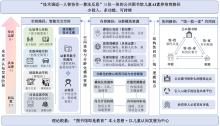
Fig.1

Pathways for cultivating children's AI literacy in future libraries from the perspective of "library as education""

[1]
叶兰, 周文琦, 张谙宁, 等. 人工智能素养能力框架比较研究[J]. 图书情报工作, 2025, 69(21): 142-153.
Ye Lan, Zhou Wenqi, Zhang Anning, et al. Comparative research on artificial intelligence literacy frameworks[J]. Library and Information Service, 2025, 69(21): 142-153.
[2]
Long Duri, Magerko B. What is AI literacy? Competencies and design considerations[C]//Proceedings of the 2020 CHI Conference on Human Factors in Computing Systems. New York: ACM, 2020: 1-16.
[3]
李小缘. 图书馆之意义[C]//图书馆学. 北京: 国家图书馆出版社, 2014: 4.
Li Xiaoyuan. The significance of libraries[C]//Library Science. Beijing: National Library Publishing House, 2014: 4.
[4]
全国人民代表大会. 中华人民共和国公共图书馆法[EB/OL]. (2018-11-05)[2026-02-04].
[5]
谢春枝, 张旨书, 叶振宇. 公共图书馆AI素养教育内容框架、实践和对策分析[J]. 图书馆杂志, 2026, 45(1): 74-86.
Xie Chunzhi, Zhang Zhishu, Ye Zhenyu. The content framework, practice and countermeasures of AI literacy education in public libraries[J]. Library Journal, 2026, 45(1): 74-86.
[6]
Queens Public Library. "We are AI" series by NYU Tandon Center for responsible AI and queens public library helps citizen take control of tech[EB/OL]. (2022-03-14)[2026-02-26].
[7]
LIBRA.I. About LIBRA.I.[EB/OL]. [2026-02-26].
[8]
横浜市役所. [申込終了]初心者向け!スマホで体験する図書館×AI~AIと会話しながら本を探してみよう!~[EB/OL]. (2026-02-12)[2026-02-26].
[9]
NLB. LAB (Libraries & Archives Blueprint)[EB/OL]. [2026-02-26].
[10]
IFLA. Using innovative technologies to reimagine libraries and archives services in the national library board, Singapore[EB/OL]. (2024-05-07)[2026-02-26].
[11]
NLB. Five-storey Punggol regional library officially opens today[EB/OL]. (2023-04-05)[2026-02-26].
[12]
Institut Barkhausen. Award for innovative AI learning program[EB/OL]. [2026-02-26].
[13]
Toronto Public Library. AI upskilling initiative wins minister's award for innovation[EB/OL]. (2026-01-30)[2026-02-26].
[14]
Toronto Public Library. Sunday STEAM at the riverdale branch[EB/OL]. [2026-03-06].
[15]
Toronto Public Library. Dash & dot robotics[EB/OL]. [2026-03-06].
[16]
Toronto Public Library. Create a DJ set with AI tools for teens[EB/OL]. [2026-03-06].
[17]
Toronto Public Library. Music copyright and ethics in the AI era[EB/OL]. [2026-03-06].
[18]
Toronto Public Library. How to build a robot: March break camp![EB/OL]. [2026-03-06].
[19]
Toronto Public Library. Coding with Python V[EB/OL]. [2026-03-06].
[20]
Toronto Public Library. Future proof your career with AI[EB/OL]. [2026-03-06].
[21]
Toronto Public Library. The A(i) B, C's of artificial intelligence: The 5 stages of AI acceptance[EB/OL]. [2026-03-06].
[22]
Urban Libraries Council. The AI upskilling lab: Inaugural cohort[EB/OL]. [2026-02-26].
[23]
Public Library DC. Future-proof your career: DC public library launches AI upskilling cohort[EB/OL]. (2025-06-14)[2026-02-26].
[24]
Public Library DC. The AI upskilling cohort AI project showcase[EB/OL]. [2026-02-26].
[25]
蔡迎春, 张静蓓, 虞晨琳, 等. 数智时代的人工智能素养: 内涵、框架与实施路径[J]. 中国图书馆学报, 2024(4): 71-84.
Cai Yingchun, Zhang Jingbei, Yu Chenlin, et al. Artificial intelligence literacy in the digital intelligence era: Connotation, framework, and implementation pathways[J]. Journal of Library Science in China, 2024(4): 71-84.
[26]
首都图书馆. 预约! 大脑训练营, 给孩子的AI创造工坊——从原理到动手实操[EB/OL]. (2026-01-27)[2026-02-26].
[27]
上海少年儿童图书馆. 成长掠影|AI探宝少年集结, 智慧阅读脑力全开(获奖公布)[EB/OL]. (2026-02-25)[2026-02-26].
[28]
深圳少年儿童图书馆. 第五季“寻找最强AI少年”科创活动火热开启![EB/OL]. (2024-04-04)[2026-02-26].
[29]
冯玲, 李东来. 图书馆作为全民阅读主要阵地: 二十年演进、实践成效与未来路径[J]. 中国图书馆学报, 2026, 52(1): 40-56.
Feng Ling, Li Donglai. Libraries as the main stronghold for national reading: Two decades of evolution, practical effectiveness, and future paths[J]. Journal of Library Science in China, 2026, 52(1): 40-56.
[30]
苏文成, 洪舒悦, 李莉, 等. 学龄前儿童的AI绘本阅读体验影响因素与优化策略[J]. 图书馆论坛, 2026(4): 127-137.
Su Wencheng, Hong Shuyue, Li Li, et al. AI picture book reading experience for preschool children: Influencing factors and optimization strategies[J]. Library Tribune, 2026(4): 127-137.
[31]
张新文, 陆渊. “土政策”: 基层治理创新中的消极策略?——一项多案例的研究[J]. 学习与实践, 2022(10): 99-110.
Zhang Xinwen, Lu Yuan. "Local policy": Negative strategy of grassroots governance Innovation? Based on a multi-cases study[J]. Study and Practice, 2022(10): 99-110.
[32]
冯川. 试点政策的可错性与可推广性——一个关于政策试验“盆景化”的解释框架[J]. 政治学研究, 2024(2): 206-219.
Feng Chuan. The fallibility and extensibility of policy: A framework for explaining why policy experiments evolve into bonsai[J]. Cass Journal of Political Science, 2024(2): 206-219.
[33]
吴丹, 徐华卿. 人智交互视角下社交机器人情感计算研究——文献综述与理论模型构建[J]. 农业图书情报学报, 2026, 38(1): 4-17.
Wu Dan, Xu Huaqing. Affective computing for social robots from the perspective of human-AI interaction: A literature review and theoretical model construction[J]. Journal of Library and Information Science in Agriculture, 2026, 38(1): 4-17.
[1] FENG Li, GUO Bochi, GAO Mian. Optimizing the Path of Cultivating Intellectual Property Literacy among College Students through AIGC Empowerment [J]. Journal of library and information science in agriculture, 2026, 38(1): 58-70.
[2] SHEN Hongjie, SHEN Hongwei, WANG Junli. Generative AI Empowering Information Literacy Education in Digital Libraries: Path Exploration, Challenge Analysis, and Response Strategies [J]. Journal of library and information science in agriculture, 2025, 37(7): 50-60.
[3] SHI Xujie, YUAN Fan, LI Jia. Searching as Learning in the Context of Generative Artificial Intelligence: Technological Pathways, Behavioral Evolution, and Ethical Challenges [J]. Journal of library and information science in agriculture, 2025, 37(5): 40-57.
[4] LIU Jie, YUAN Yongxu, WU Juan. Strategies for Enhancing Intellectual Property Literacy Education in Academic Libraries from the Perspective of New Quality Productive Forces [J]. Journal of library and information science in agriculture, 2025, 37(3): 32-41.
[5] MA Ning, ZHANG Xiaoyi, LIU Qixuan. A Study of the Factors Influencing Information Literacy on Farmers' Willingness to Participate in E-Commerce: the Mediating Effects of Perceived Benefits and Perceived Risks, and the Moderating Effect of Government Support [J]. Journal of library and information science in agriculture, 2025, 37(2): 88-99.
[6] CHEN Nan. Strategies for Smart Library Services in Public Libraries during the Digitally-Intelligence Era under the 15th Five-Year Plan [J]. Journal of library and information science in agriculture, 2025, 37(12): 64-80.
[7] WAN Yijia. Outcome and its Influencing Factors of Graduate Students' Use of AIGC Tools [J]. Journal of library and information science in agriculture, 2025, 37(11): 77-89.
[8] ZHANG Chaomin, LI Jingchen. Multi-Agent Behavior Strategy to Promote High-Quality Information Literacy Training for Farmers in the New Era [J]. Journal of library and information science in agriculture, 2025, 37(1): 75-85.
[9] LUO Guofeng, YI Tong, YAN Zhouzhou. Critical Information Literacy Education in University Libraries from the Perspective of AIGC Application [J]. Journal of library and information science in agriculture, 2025, 37(1): 47-58.
[10] Huimin HE. Reader Knowledge Construction in Public Library Information Literacy Education based on the MOA Model [J]. Journal of library and information science in agriculture, 2024, 36(9): 58-69.
[11] Fan YUAN, Jia LI. Opportunities, Challenges, and Future Directions for Generative Artificial Intelligence in Library Information Literacy Education: A Scoping Review [J]. Journal of library and information science in agriculture, 2024, 36(9): 44-57.
[12] LUO Guofeng, LIU Qingsheng. Application Scene and Practice of ChatGPT Empowering Information Literacy Education [J]. Journal of library and information science in agriculture, 2024, 36(4): 91-101.
[13] YANG Shiling, LIANG Xiaowen. Dilemma and Way Out: The "Teacher Role" Construction of Professional Librarians in University Libraries [J]. Journal of library and information science in agriculture, 2024, 36(2): 94-103.
[14] WANG Yueying. Exploring the Causes of Low Health Information Literacy Among Rural Middle-Aged and Elderly Adults and its Improvement Strategies [J]. Journal of library and information science in agriculture, 2024, 36(2): 81-93.
[15] Fengwei JIANG, Qing WANG, Zhuqi LI. Practice and Development Strategy of Culture and Tourism Integration Services for Children in Public Libraries [J]. Journal of library and information science in agriculture, 2024, 36(10): 95-105.
Viewed
Full text


Abstract

Cited

  Shared   
  Discussed   
No Suggested Reading articles found!