中文    English

Journal of library and information science in agriculture ›› 2025, Vol. 37 ›› Issue (11): 77-89.doi: 10.13998/j.cnki.issn1002-1248.25-0598

Previous Articles     Next Articles

Outcome and its Influencing Factors of Graduate Students' Use of AIGC Tools

WAN Yijia   

  1. Shandong University Library, Jinan 250100
  • Received:2025-08-31 Online:2025-11-05 Published:2025-12-29

Abstract:

[Purpose/Significance] As an emerging technology, the use of artificial intelligence-generated content (AIGC) tools is comprehensively influenced by factors such as individuals, tasks, and tools themselves. From an educational perspective, one effective way to influence user behavior is to improve the outcomes of graduate students' use of AIGC tools. This study aims to reveal the key dimensions and influencing factors of AIGC use by analyzing graduate students' spontaneous behaviors when using AIGC tools. It further seeks to improve the application efficiency of AIGC in graduate students' learning and scientific research, and promote deeper integration between tools and academic activities. [Method/Process] The research follows the logic of "from the spontaneous behavior of users to the active guidance of educators", mainly adopting the semi-structured interview method to collect data, and the thematic analysis method to analyze data. Semi-structured interviews were conducted with 25 graduate students from Chinese universities or scientific research institutions. The interviewees included 14 master's students and 11 doctoral students, covering three disciplinary categories: natural sciences (11 students), social sciences (10 students), and humanities (4 students). According to thematic analysis, the interview data were coded, and theoretical saturation was tested. On this basis, a theoretical model of the outcome and its influencing factors of graduate students' use of AIGC tools was constructed, and targeted suggestions were put forward from the perspective of information literacy education. [Results/Conclusions] The use outcome of graduate students' AIGC tool use includes three dimensions: task completion, subjective satisfaction, and process harvest. Its influencing factors involve four aspects: task & situation, personal characteristics, behavioral process, and tool characteristics. 1) task & situation: The use outcome is affected by the matching degree between task demands and application scenarios; 2) personal characteristics: The use outcome is influenced by graduate students' own basic abilities, subjective attitudes, and tool operation skills; 3) behavioral process: The use outcome is significantly impacted by the input of instructions to tools and the provided content; 4) tool characteristics: The use outcome is notably affected by tools' technical functions and operational limitations. Regarding AIGC tool-related education, it is suggested that information literacy educators emphasize the application scenarios of tools, improve the comprehensive ability of graduate students, carry out diversified teaching and training, and pay attention to the dynamics of tool and technology. This study still has some limitations. For instance, it has only identified the dimensions and influencing factors of graduate students' AIGC tool use outcome. Future research will further explore the causal pathways involved in the model through empirical studies.

Key words: AIGC tool, use outcome, graduate student, information literacy, use behavior, thematic analysis

CLC Number: 

  • G252

Table 1

Basic information of the respondents"

序号 性别 培养层次 学校 学科门类
P01 硕士 浙江大学 文学
P02 博士 湘潭大学 管理学
P03 硕士 中国科学院大学 管理学
P04 硕士 中国农业大学 农学
P05 硕士 吉林大学 工学
P06 硕士 江苏大学 文学
P07 博士 中国地质大学(武汉) 工学
P08 博士 山东大学 教育学
P09 博士 北京理工大学 经济学
P10 硕士 天津医科大学 医学
P11 博士 中国人民大学 经济学
P12 硕士 武汉大学 哲学
P13 硕士 大连理工大学 工学
P14 博士 中国科学院大学 理学
P15 博士 中国科学院大学 工学
P16 硕士 东北师范大学 法学
P17 硕士 北京协和医学院 医学
P18 硕士 中国科学院大学 管理学
P19 博士 大连理工大学 理学
P20 博士 中国石油大学(华东) 理学
P21 硕士 华中科技大学 医学
P22 博士 中国科学院大学 管理学
P23 硕士 天津大学 管理学
P24 博士 北京师范大学 历史学
P25 硕士 华东政法大学 法学

Table 2

Initial coding results of use outcome"

子主题 部分初始概念 代表性语句
任务完成 内容采纳 采纳的结果80%左右,最后在提交的报告里面大概采用了只有60%到70%这样
主观满意 工具回答效果 还是出于使用效果方面的考虑,它给的内容让我不满意
过程收获 研究兴趣探索 这样的话我觉得算是在做一个新的主题研究的时候起到一个引领的作用

Table 3

Initial coding results of influencing factor"

子主题 部分初始概念 代表性语句
情境要求 时间紧迫程度 如果任务时间不紧迫的话,我可以自己去一点一点把这个大纲好好地磨出来,但是那需要一个漫长的过程
任务特征 学术专业程度 在和文心一言或者说GPT去交流一些非常专业、非常学术的问题的时候,它可能效果并不是特别好
基本能力 自主学习能力 其实我没有专门学习过,但自己能够总结摸索大致的规律
个人态度 工具使用态度 我还是比较介意的,因为有些写作上你得需要标明是AIGC的,可能会给人一种降低印象的感觉
工具技能 AI工具素养 可能是受过往工作经历的影响,我个人对于这个数字产品的使用还是比较好上手并且比较熟悉的
外部参与 自行甄别核实 我就会以这个为依据,去查找然后做一个信息的验证,看一下GPT提供的答案是不是真的
操作过程 指令由浅入深 我自己一开始就是先让它得出一个大体的情况,然后再一句一句去修正、扩充我想要的内容
功能技术 学术专用功能 就学术目的来讲,还是特定领域的学术专用的工具,如果有的话会更好一些
操作限制 网络连接费用 是否需要花费额外的经费去购买这种VPN账号

Table 4

Thematic analysis results of use outcome"

主题 子主题 主题内涵
使用效果 任务完成 工具在使用者完成任务中发挥的作用大小
主观满意 使用者对于使用经历和结果的满意程度
过程收获 使用者在借助工具完成任务过程中的收获

Table 5

Thematic analysis results of influencing factors"

主题 子主题 主题内涵
任务情境 情境要求 使用者在完成任务过程中所处的情境
任务特征 任务在学术性、难易度等方面的特征
个人特征 基本能力 使用者独立思考等方面的通用能力和学科背景相关的专业能力
个人态度 使用者对于任务、工具等的主观态度
工具技能 使用者在工具方面的知识、技巧和能力
行为过程 外部参与 除当前工具外的个人或工具参与,共同完成任务
操作过程 使用过程中的方式方法,包括输入指令所具有的特征
工具特征 功能技术 工具相关功能及技术在完成任务过程中所表现出的特征
操作限制 使用工具需要进行的联网、登录等操作及限制

Table 6

Results of the relationship pattern analysis"

作用路径 关系结构 路径内涵
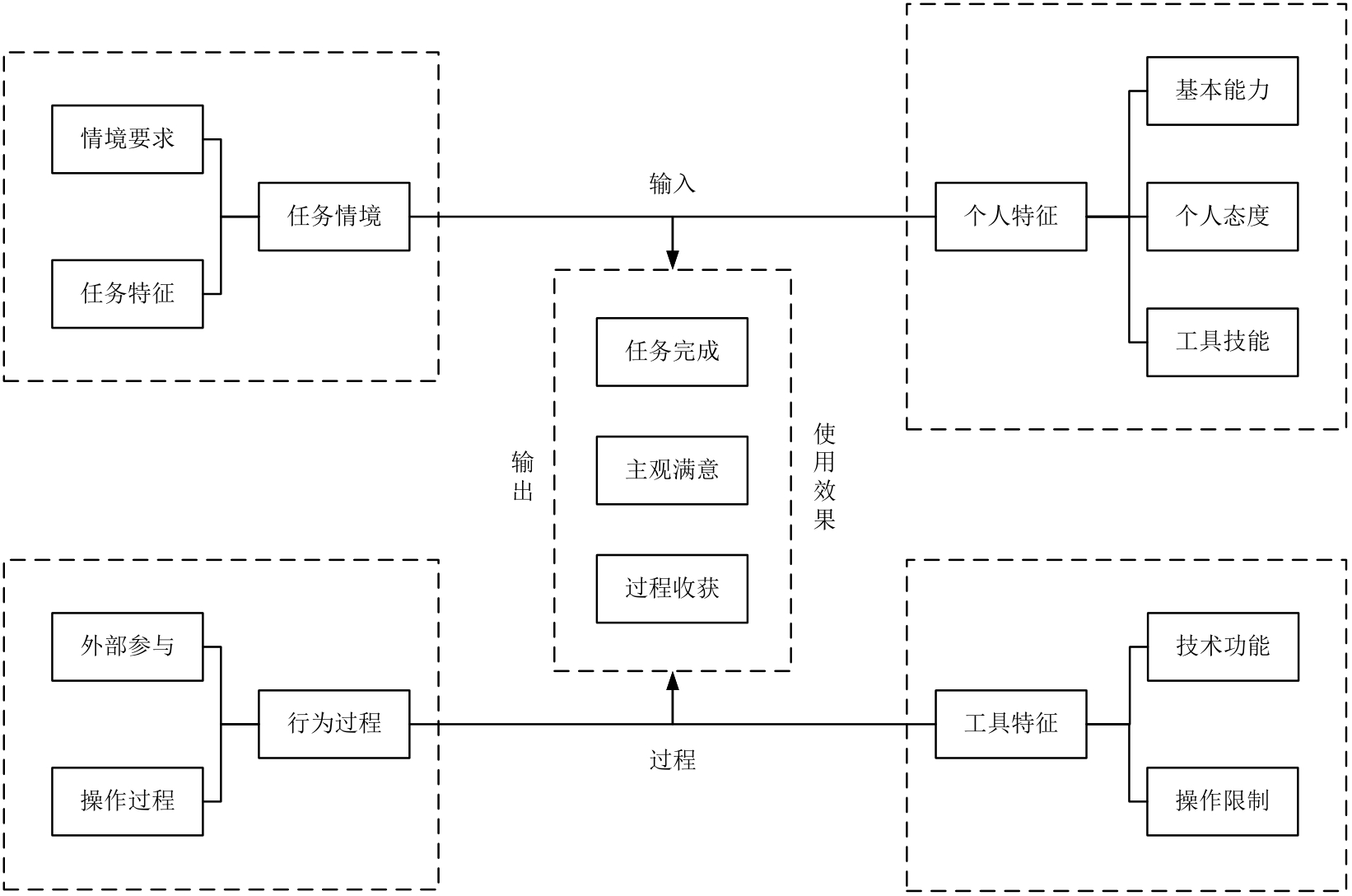
任务情境->使用效果 因果关系 任务情境因素是工具使用的输入变量,正向影响研究生AIGC工具使用效果
个人特征->使用效果 因果关系 个人特征因素是工具使用的输入变量,正向影响研究生AIGC工具使用效果
行为过程->使用效果 因果关系 行为过程因素是工具使用的过程变量,正向影响研究生AIGC工具使用效果
工具特征->使用效果 因果关系 工具特征因素是工具使用的过程变量,正向影响研究生AIGC工具使用效果

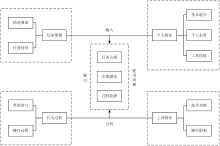
Fig.1

Theoretical model of the outcome and its influencing factors of graduate students' use of AIGC tools"

[1]
WANG Y T, PAN Y H, YAN M, et al. A survey on ChatGPT: AI-generated contents, challenges, and solutions[J]. IEEE open journal of the computer society, 2023, 4: 280-302.
[2]
ZHAI X M. ChatGPT for next generation science learning[J]. XRDS: Crossroads, the ACM Magazine for Students, 2023, 29(3): 42-46.
[3]
FLETCHER R, NIELSEN R K. What does the public in six countries think of generative AI in news[EB/OL]. [2024-08-29].
[4]
中国信息通信研究院. 人工智能生成内容(AIGC)白皮书(2022年)[EB/OL]. [2024-08-16].
[5]
新华社. 中华人民共和国学位法[EB/OL]. [2024-09-01].
[6]
BRAUN V, CLARKE V. Using thematic analysis in psychology[J]. Qualitative research in psychology, 2006, 3(2): 77-101.
[7]
CLARKE V, BRAUN V. Thematic analysis[J]. The journal of positive psychology, 2017, 12(3): 297-298.
[8]
KIGER M E, VARPIO L. Thematic analysis of qualitative data: AMEE Guide No. 131[J]. Medical teacher, 2020, 42(8): 846-854.
[9]
MENON D, SHILPA K. "Chatting with ChatGPT": Analyzing the factors influencing users' intention to Use the Open AI's ChatGPT using the UTAUT model[J]. Heliyon, 2023, 9(11): e20962.
[10]
FOROUGHI B, MADUGODA G S, IRANMANESH M, et al. Determinants of intention to use ChatGPT for educational purposes: Findings from PLS-SEM and fsQCA[J]. International journal of human-computer interaction, 2023: 1-21.
[11]
张海, 刘畅, 王东波, 等. ChatGPT用户使用意愿影响因素研究[J]. 情报理论与实践, 2023, 46(4): 15-22.
ZHANG H, LIU C, WANG D B, et al. Research on the influencing factors of ChatGPT users' intention[J]. Information studies: Theory & application, 2023, 46(4): 15-22.
[12]
任海芝, 吴彦瑾. 科研用户生成式信息搜索行为研究: 以ChatGPT为例[J]. 大学图书情报学刊, 2024, 42(1): 3-14.
REN H Z, WU Y J. A study of generative information search behaviour of scientific research users: ChatGPT as an example[J]. Journal of academic library and information science, 2024, 42(1): 3-14.
[13]
LIU G X, MA C J. Measuring EFL learners' use of ChatGPT in informal digital learning of English based on the technology acceptance model[J]. Innovation in language learning and teaching, 2024, 18(2): 125-138.
[14]
LI W Y. A study on factors influencing designers' behavioral intention in using AI-generated content for assisted design: Perceived anxiety, perceived risk, and UTAUT[J]. International journal of human-computer interaction, 2025, 41(2): 1064-1077.
[15]
YANG X W, DING J J, CHEN H B, et al. Factors affecting the use of artificial intelligence generated content by subject librarians: A qualitative study[J]. Heliyon, 2024, 10(8): e29584.
[16]
GUO W M, GUO Q, YU H W, et al. Optical fiber immunosensor based on graphene oxide(GO) and biotin-streptavidin(SA) signal amplification system for rapid and sensitive detection of 17 [beta]-estradiol(E 2)[C]//Advanced Sensor Systems and Applications XII. China: SPIE, 2022: 47.
[17]
HERVIEUX S, WHEATLEY A. Perceptions of artificial intelligence: A survey of academic librarians in Canada and the United States[J]. The journal of academic librarianship, 2021, 47(1): 102270.
[18]
ZHU W J, HUANG L, ZHOU X N, et al. Could AI ethical anxiety, perceived ethical risks and ethical awareness about AI influence university students' use of generative AI products? An ethical perspective[J]. International journal of human-computer interaction, 2025, 41(1): 742-764.
[19]
ZHOU T, LI S T. Understanding user switch of information seeking: From search engines to generative AI[J]. Journal of librarianship and information science, 2024: 09610006241244800.
[20]
段荟, 张海, 孔晔晗. AIGC应用平台用户持续使用行为影响因素研究[J]. 图书馆工作与研究, 2024(6): 21-31.
DUAN H, ZHANG H, KONG Y H. Research on the influencing factors of users' sustained use behavior of AIGC application platform[J]. Library work and study, 2024(6): 21-31.
[21]
苟芮可, 罗卫. AIGC平台“Z世代”用户持续使用意愿影响因素研究[J]. 农业图书情报学报, 2025, 37(3): 66-80.
GOU R K, LUO W. Influencing factors of continuous use intention of "generation Z" users of an AIGC platform[J]. Journal of library and information science in agriculture, 2025, 37(3): 66-80.
[22]
张玥, 李青宇, 刘雨琪, 等. 组态视角下AIGC应用平台用户中辍行为影响因素研究[J]. 情报理论与实践, 2024, 47(3): 130-137, 148.
ZHANG Y, LI Q Y, LIU Y Q, et al. A study on discontinuance behavior in the AIGC application platform based on the perspective of configuration[J]. Information studies: Theory & application, 2024, 47(3): 130-137, 148.
[23]
周涛, 张春雷, 邓胜利. 基于C-A-C的生成式AI用户间歇性中辍行为研究[J]. 现代情报, 2025, 45(3): 40-50, 64.
ZHOU T, ZHANG C L, DENG S L. Research on generative AI users' intermittent discontinuance based on the C-A-C[J]. Journal of modern information, 2025, 45(3): 40-50, 64.
[24]
姚丽琴, 张海. AIGC用户中辍行为影响因素模型构建与实证研究[J]. 农业图书情报学报, 2024, 36(5): 79-92.
YAO L Q, ZHANG H. Model construction and empirical research on the influencing factors of AIGC user dropout behavior[J]. Journal of library and information science in agriculture, 2024, 36(5): 79-92.
[25]
FORTUNA P, MODLIŃSKI A. Airtist or counterfeiter? Artificial intelligence as devaluating factor on the art market[J]. The journal of arts management, law, and society, 2021, 51(3): 188-201.
[26]
ELGAMMAL A, LIU B, ELHOSEINY M, et al. CAN: Creative adversarial networks, generating "Art" by learning about styles and deviating from style norms[C]//Proceedings of the 8th International Conference on Computational Creativity. Atlanta, United States: Georgia Institute of Technology, 2017.
[27]
HONG J W, CURRAN N M. Artificial intelligence, artists, and art: Attitudes toward artwork produced by humans vs. artificial intelligence[J]. ACM transactions on multimedia computing, communications, and applications, 2019, 15(2s): 1-16.
[28]
NGUYEN A, HONG Y, DANG B, et al. Human-AI collaboration patterns in AI-assisted academic writing[J]. Studies in higher education, 2024, 49(5): 847-864.
[29]
ZHOU J Q, LIANG Z Q, FANG Y H, et al. Exploring public response to ChatGPT with sentiment analysis and knowledge mapping[J]. IEEE access, 2024, 12: 50504-50516.
[30]
崔宇红, 赵锦涛. 人工智能素养视域下高校学生用户使用AIGC信息行为分析[J]. 农业图书情报学报, 2024, 36(11): 20-32.
CUI Y H, ZHAO J T. AIGC using behavior analysis from the perspective of artificial intelligence literacy[J]. Journal of library and information science in agriculture, 2024, 36(11): 20-32.
[31]
万益嘉, 顾立平. 研究生使用AIGC工具的行为动机与影响因素: 基于问卷调查的实证分析[J]. 农业图书情报学报, 2024, 36(10): 4-22.
WAN Y J, GU L P. Behavioral motivation and influencing factors of graduate students using AIGC tool: An empirical analysis based on questionnaire survey[J]. Journal of library and information science in agriculture, 2024, 36(10): 4-22.
[32]
VENKATESH V. Adoption and use of AI tools: A research agenda grounded in UTAUT[J]. Annals of operations research, 2022, 308(1): 641-652.
[33]
ASTIN A W. Assessment for excellence: The philosophy and practice of assessment and evaluation in higher education[M]. New York: American Council on Education and Macmillan Publishing Company, 1991: 18.
[34]
MCGRATH J E, HOLT R W. Social psychology: A brief introduction[M]. New York: Rinehart & Winston, 1964.
[35]
靳代平, 王新新, 姚鹏. 品牌粉丝因何而狂热?: 基于内部人视角的扎根研究[J]. 管理世界, 2016, 32(9): 102-119.
JIN D P, WANG X X, YAO P. Why are brand fans crazy?: Rooting research based on the perspective of insiders[J]. Management world, 2016, 32(9): 102-119.
[36]
望俊成. 信息老化的新认识: 信息价值的产生与衰减[J]. 情报学报, 2013, 32(4): 354-362.
WANG J C. New understanding of information obsolescence: The generation and attenuation of information value[J]. Journal of the China society for scientific and technical information, 2013, 32(4): 354-362.
[37]
GOODHUE D L, THOMPSON R L. Task-technology fit and individual performance[J]. MIS quarterly, 1995, 19(2): 213-236.
[38]
WANG Y T, SU Z, ZHANG N, et al. A survey on metaverse: Fundamentals, security, and privacy[J]. IEEE communications surveys & tutorials, 2023, 25(1): 319-352.
[39]
刘彩娥, 韩丽风. AIGC背景下高校信息素养教育的发展[J]. 大学图书馆学报, 2024, 42(2): 46-51.
LIU C E, HAN L F. The development of information literacy education in colleges in the context of AIGC[J]. Journal of academic libraries, 2024, 42(2): 46-51.
[40]
QUAN Z, CHEN Z W. Human–computer pragmatics trialled: Some impolite interactions with ChatGPT 4.0 and the ensuing implications[J]. Interactive learning environments, 2025, 33(2): 1020-1039.
[41]
张萌, 朱鸿军. 知识暗流的合规实践: ChatGPT在学术出版中的应用与挑战[J]. 科技与出版, 2023(5): 33-40.
ZHANG M, ZHU H J. Compliance practice of knowledge undercurrent: Application and challenge of ChatGPT in academic publishing[J]. Science-technology & publication, 2023(5): 33-40.
[1] SHEN Hongjie, SHEN Hongwei, WANG Junli. Generative AI Empowering Information Literacy Education in Digital Libraries: Path Exploration, Challenge Analysis, and Response Strategies [J]. Journal of library and information science in agriculture, 2025, 37(7): 50-60.
[2] SHI Xujie, YUAN Fan, LI Jia. Searching as Learning in the Context of Generative Artificial Intelligence: Technological Pathways, Behavioral Evolution, and Ethical Challenges [J]. Journal of library and information science in agriculture, 2025, 37(5): 40-57.
[3] LIU Jie, YUAN Yongxu, WU Juan. Strategies for Enhancing Intellectual Property Literacy Education in Academic Libraries from the Perspective of New Quality Productive Forces [J]. Journal of library and information science in agriculture, 2025, 37(3): 32-41.
[4] MA Ning, ZHANG Xiaoyi, LIU Qixuan. A Study of the Factors Influencing Information Literacy on Farmers' Willingness to Participate in E-Commerce: the Mediating Effects of Perceived Benefits and Perceived Risks, and the Moderating Effect of Government Support [J]. Journal of library and information science in agriculture, 2025, 37(2): 88-99.
[5] ZHANG Chaomin, LI Jingchen. Multi-Agent Behavior Strategy to Promote High-Quality Information Literacy Training for Farmers in the New Era [J]. Journal of library and information science in agriculture, 2025, 37(1): 75-85.
[6] LUO Guofeng, YI Tong, YAN Zhouzhou. Critical Information Literacy Education in University Libraries from the Perspective of AIGC Application [J]. Journal of library and information science in agriculture, 2025, 37(1): 47-58.
[7] Xuemei LUO, Yuzhe LIN. Graduate Student Digital Literacy Promotion Pathway Driven by AIGC [J]. Journal of library and information science in agriculture, 2024, 36(9): 70-77.
[8] Huimin HE. Reader Knowledge Construction in Public Library Information Literacy Education based on the MOA Model [J]. Journal of library and information science in agriculture, 2024, 36(9): 58-69.
[9] Fan YUAN, Jia LI. Opportunities, Challenges, and Future Directions for Generative Artificial Intelligence in Library Information Literacy Education: A Scoping Review [J]. Journal of library and information science in agriculture, 2024, 36(9): 44-57.
[10] LUO Guofeng, LIU Qingsheng. Application Scene and Practice of ChatGPT Empowering Information Literacy Education [J]. Journal of library and information science in agriculture, 2024, 36(4): 91-101.
[11] YANG Shiling, LIANG Xiaowen. Dilemma and Way Out: The "Teacher Role" Construction of Professional Librarians in University Libraries [J]. Journal of library and information science in agriculture, 2024, 36(2): 94-103.
[12] WANG Yueying. Exploring the Causes of Low Health Information Literacy Among Rural Middle-Aged and Elderly Adults and its Improvement Strategies [J]. Journal of library and information science in agriculture, 2024, 36(2): 81-93.
[13] Yijia WAN, Liping GU. Behavioral Motivation and Influencing Factors of Graduate Students Using AIGC Tool: An Empirical Analysis Based on Questionnaire Survey [J]. Journal of library and information science in agriculture, 2024, 36(10): 4-22.
[14] WANG Xing, LI Yeye, ZHOU Tianyu, LIU Feng. Twenty Years of Left-Behind Children Education in Rural China: Based on Structural Topic Model [J]. Journal of library and information science in agriculture, 2023, 35(9): 43-56.
[15] ZHANG Yixi, YANG Li, HUANG Feiyan. Embedded Information Literacy Instruction Based on the General-Purpose Writing Course for Undergraduate Freshmen: A Case Study of the Library of Southern University of Science and Technology [J]. Journal of library and information science in agriculture, 2023, 35(8): 98-107.
Viewed
Full text


Abstract

Cited

  Shared   
  Discussed   
No Suggested Reading articles found!