中文    English

Journal of library and information science in agriculture


A Study on AI Literacy Education in University Libraries in Hong Kong: Practices and Insights

YIN Li   

  1. Chang'an University Library, Xi'an 710064
  • Received:2026-03-25 Online:2026-06-25

Abstract:

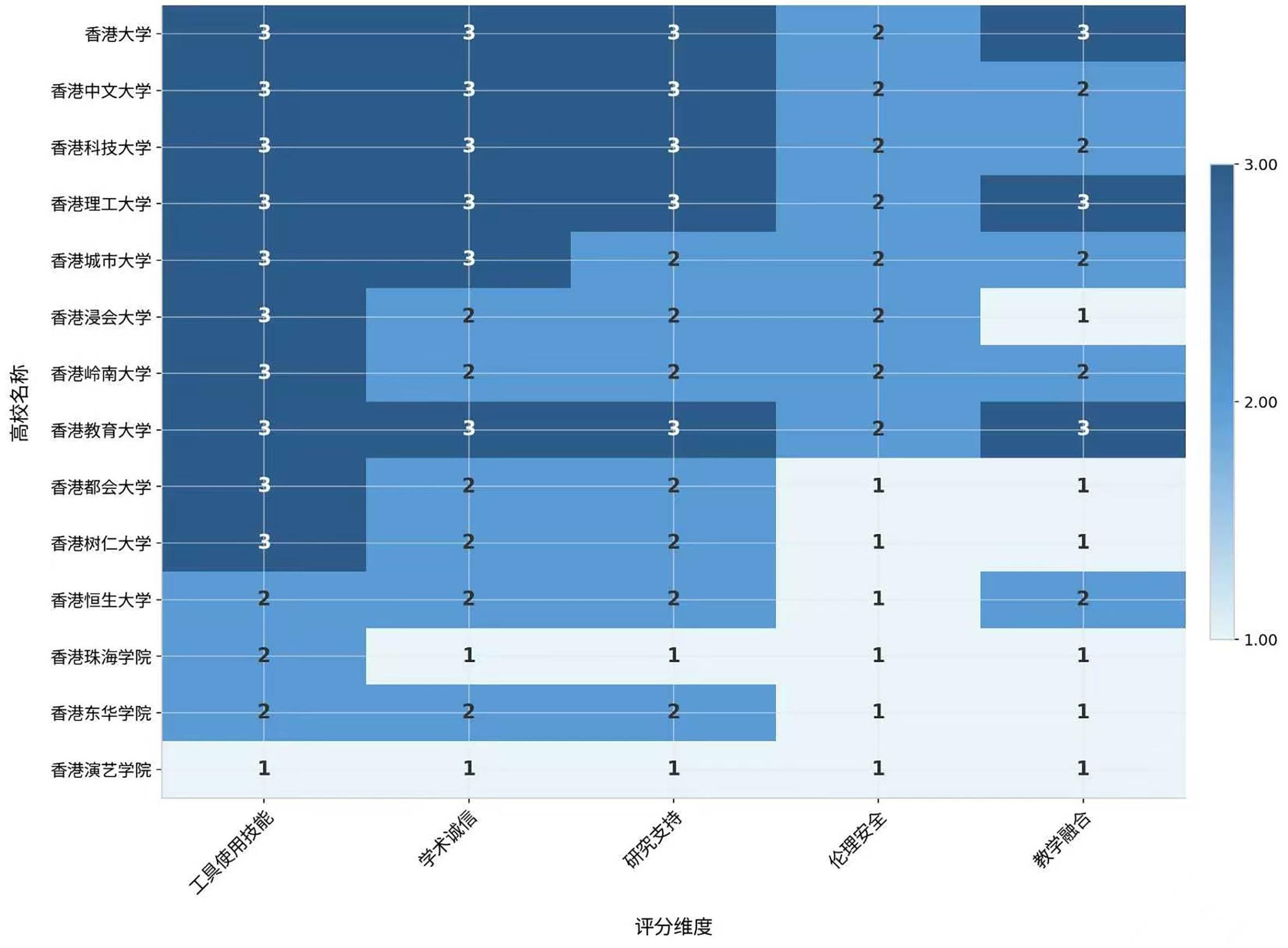
[Purpose/Significance] The rapid advancement of generative artificial intelligence has reshaped higher education, bringing both opportunities and challenges such as academic integrity concerns, algorithmic bias, and data privacy issues. Consequently, AI literacy has emerged as a global educational priority. University libraries, as traditional hubs of information literacy, are undergoing a transformation from resource providers to literacy enablers, with international library organizations explicitly calling for libraries to play a central role in fostering AI literacy. While existing research has primarily focused on conceptual frameworks and macro-level strategies, there remains a notable gap in empirical studies examining the micro-level implementation mechanisms, practical challenges, and cross-departmental collaboration strategies of university libraries in delivering AI literacy education. This study addresses this gap by investigating the practices of university libraries in Hong Kong, a region with a distinctive "policy-practice" collaborative model, aiming to provide actionable insights for university libraries in China's mainland. [Method/Process] This study employed an online research method combined with content analysis. Between December 2025 and March 2026, the official websites of 14 university libraries in Hong Kong were systematically accessed to collect publicly available information, covering diverse institution types, including comprehensive, polytechnic, liberal arts, and arts universities. Three types of data were collected: AI policies or guidelines at both institutional and library levels; AI literacy resource navigation structures, particularly the organization of LibGuides and educational practice activities, including workshops, training courses, online modules, and thematic lectures. Descriptive research methods were used to categorize the collected information, while comparative analysis was conducted to identify commonalities and differences across the 14 libraries. Additionally, a quantitative scoring method (0 to 3 scale) was applied to evaluate the coverage depth of various AI literacy education themes, enabling the generation of a thematic distribution heatmap. [Results/Conclusions] The findings reveal that university libraries in Hong Kong have established a three-pronged AI literacy education model characterized by "policy guidance + resource integration + diversified teaching." A dual-layered policy ecosystem has emerged, wherein institutional policies set ethical boundaries and libraries translate these policies into actionable educational practices. Libraries have developed systematic knowledge portals via LibGuides, forming complete knowledge chains encompassing foundational concepts, tool applications, ethical norms, and academic support. Educational activities take multiple forms, including thematic workshops, embedded instruction within disciplinary courses, systematic online courses, and targeted lectures. Content design equally emphasizes both technical skills and ethical reasoning, with some libraries developing operational frameworks for critically evaluating AI-generated content. However, several challenges persist: insufficient policy independence at the library level, uneven distribution of educational content, a lack of comprehensive evaluation mechanisms, limited integration with disciplinary curricula, and bottlenecks in librarian professional development. Compared with existing studies, this research reveals the underlying "policy-practice" synergy that enables the translation of institutional policies into concrete educational actions, contrasting with the fragmented state of AI literacy education observed in some mainland Chinese universities. The Hong Kong model represents an intermediate form between "policy absence" and "deep embedding", offering a phased and referable pathway for mainland Chinese university libraries. The study has two limitations: reliance on publicly available online information and the lack of longitudinal data. Future research should incorporate surveys, interviews, and longitudinal assessments to develop robust evaluation frameworks.

Key words: AI literacy education, generative AI, university library, Hong Kong, educational practice, information literacy

CLC Number: 

  • G258.6

Table 1

Official website URLs of 14 Hong Kong university libraries"

高校中文名称高校英文缩写图书馆官方网站
香港大学HKUhttps://lib.hku.hk/index.html
香港中文大学CUHKhttps://www.lib.cuhk.edu.hk/en/
香港科技大学HKUSThttps://library.hkust.edu.hk/
香港城市大学CityUHKhttps://www.cityu.edu.hk/lib/
香港理工大学HKPUhttps://www.lib.polyu.edu.hk/
香港浸会大学HKBUhttps://library.hkbu.edu.hk/
岭南大学Lingnanhttps://library.ln.edu.hk/
香港教育大学EdUHKhttps://www.lib.eduhk.hk/zh/
香港都会大学HKMUhttps://www.hkmu.edu.hk/lib/sc/
香港演艺学院HKAPAhttps://www.hkapa.edu/sch/library ivk_sa=1024320u
香港树仁大学HKSYUhttps://library.hksyu.edu/lib/
香港珠海学院CHChttps://lib.chuhai.edu.hk/
香港恒生大学HSUHKhttps://library.hsu.edu.hk/
香港东华学院TWCChttps://www.twghwfns.edu.hk/school-life/library/

Table 2

Comparison of AI usage policies/guidelines released by 8 Hong Kong universities"

高校名称AI政策/指南名称(中文)AI政策/指南名称(英文)制定/发布主体主要内容/说明
香港大学教学与学习中使用生成式人工智能的政策HKU Policy on Use of Generative Artificial Intelligence for Teaching and Learning香港大学面向教学与学习,提供AI工具支持与培训,强调能力提升
研究中生成式人工智能负责任使用指南Guidelines on the Responsible Use of Generative AI in Research at The University of Hong Kong香港大学研究诚信分委员会规范研究场景中AI的负责任使用,强调学术诚信与伦理
人工智能伦理使用指南Guidance for Ethical Use of AI香港大学教学与学习创新中心提供AI伦理使用指导,涵盖多个实用指南与资源链接

香港科技

大学

高等教育中使用生成式人工智能的指南与原则Guidelines and Principles on Using Generative AI for Higher Education (Apr 2023)香港科技大学教育创新中心提供生成式AI在教育中的使用原则与通用指南

香港中文

大学

教学、学习和评估中人工智能工具的使用——学生指南Use of Artificial Intelligence Tools in Teaching, Learning and Assessments - A Guide for Students香港中文大学面向学生,明确AI工具在教学、学习与评估中的使用规范
教学、学习与评估中人工智能工具使用的指南Guidelines on the Use of Artificial Intelligence Tools in Teaching, Learning and Assessments香港中文大学面向教职员工,内容涵盖教学与评估中AI工具的使用指引
研究中负责任使用人工智能的指南Guidelines on the Responsible Use of AI for Research香港中文大学研究事务处研究中AI使用的责任与伦理要求

香港理工

大学

学生使用生成式人工智能指南Guidelines for Students on the Use of Generative Artificial Intelligence香港理工大学教务处面向学生,明确生成式AI在教学与学习中的使用规范

香港浸会

大学

教学与学习及评估中使用生成式人工智能工具的原则Principles for the Use of Generative AI Tools in Teaching and Learning, and Assessment香港浸会大学分教职工和学生两个版本,涵盖教学、学习与评估场景
香港浸会大学图书馆员工使用生成式人工智能工具指南HKBU Library Staff Guidelines for the Use of Generative AI Tools香港浸会大学图书馆面向图书馆员内部使用,规范馆员在服务中应用AI工具

香港树仁

大学

教学、学习及评估中使用生成式人工智能的指引Guidelines on the Use of Generative AI in Teaching, Learning, and Assessment香港树仁大学教学发展办公室(TLDO)提供生成式AI在教学相关场景中的使用指引

香港恒生

大学

教学与学习中的生成式人工智能Generative AI in Teaching and Learning

香港恒生大学

教学发展中心(CTL)

面向教学与学习场景,提供生成式AI应用指导

学生使用生成式

人工智能工具指南

A Library Guide for Students on Using Generative Artificial Intelligence Tools

香港恒生大学

图书馆

面向学生,提供生成式AI工具使用指引

电子资源负责任使用

指引

Responsible Use of E-Resources

香港恒生大学

图书馆

涵盖电子资源与AI工具使用的责任与规范

香港东华

学院

生成式人工智能和ChatGPT使用指南Generative AI and ChatGPT Using Guidelines

香港东华学院

创新教学与学习中心

提供生成式AI与ChatGPT在教育中的使用指引

Table 3

Comparative analysis of AI policy guidelines released by 5 Hong Kong universities"

高校香港大学香港中文大学香港科技大学香港理工大学香港东华学院
文件名称研究中生成式人工智能负责任使用指南教学、学习与评估中人工智能工具的使用高等教育中使用生成式人工智能的指南与原则学生使用生成式人工智能指南生成式人工智能和ChatGPT使用指南
主要目标规范科学研究中生成式AI的负责任使用,保障学术诚信规范教学、学习与评估中生成式AI的负责任使用,保障学术诚信,提升教学质量为高等教育机构提供生成式AI使用的原则与实践参考指导学生负责任使用生成式AI引导使用者在教学、学习与研究中合规使用生成式AI工具
使用场景科学研究全过程教学、学习、评估高等教育整体学生作业与评估教学、学习、研究
核心原则强调研究诚信、透明度、数据隐私、问责制、人类验证提出4种AI使用方式:完全禁止;许可后使用;使用后声明;自由使用(无需标注)强调AI素养、批判性思维、伦理使用、课程融合、透明度强调“作业必须是学生自己的智力成果”,必须对AI生成内容进行标注强调学术诚信,提出相似度指标建议,分类说明教学与研究场景的使用原则

Table 4

14 Libraries' AI literacy education practice models and representative practice activities"

高校名称教育形式教育实践活动名称主题
香港大学LibGuidesAI LiteracyAI素养综合指南;AI入门与实践路径等
工作坊培训AI Literacy for U Series 1: From Smart Learners to Empowered Leaders;AI Literacy for U Series 2: Crafting Your AI Journey: From Zero to One

香港科技

大学

LibGuidesEmerging AI Tools for Literature Review;AI Literacy for End-Users;Research Tools - AI Enhanced;AI Powered Search Tools、A Guide to Good Referencing Skills;General on Popular Readings on AI;Ethical & Responsible Use of AI Tools.AI工具;引用规范;伦理、知识产权与隐私;AI通识读物推荐等
课程AI Tools for Academic Research: A Mini Course

香港中文

大学

LibGuidesUsing AI in Education and Research;Using Information Responsibly for Your Assignments;Citing GenAI Content跨学科场景下规范使用AI;AI工具等
工作坊GenAI Tools for Students: Exploring the Upside and Downside;Using AI-powered Tools for Literature Search

香港教育

大学

LibGuidesAI Generative Tools;AI in Education;AI Research Tools for Literature Reviews;AI Tool For Your Research: Scite_AI工具等
工作坊AI for A+: Boosting Your Grade with AI tools and Library Databases;Scite: Smart AI Tool For Your Research

香港理工

大学

LibGuidesAI-Powered Academic Search;Harnessing GenAI in Your Academic Journey学术研究中的AI工具;AI资源;引用规范;伦理等
工作坊Accelerating Research with Science-Smart AI in CAS SciFinder;Facilitate Your Research with AI-Powered Tool - Consensus
在线课程Mastering Library Resources for Learning, Research, and Academic Success;Ethical Use of Information in Thesis Writing & Journal Publication

香港城市

大学

LibGuidesAI & Digital LiteracyAI素养综合指南;引用规范;AI工具应用等
工作坊Citing Generative AI in APA Style;AI-Powered Coding with Cursor

香港浸会

大学

LibGuidesGetting Started with Generative AIAI素养综合指南;研究与写作的AI工具等

在线学习

视频

What Is Generative AI;How to Research and Write Using Generative AI Tools;Prompt Engineering with ChatGPT

香港岭南

大学

工作坊Ethical Consideration and Proper Citation of Generative AI Tools;Exploring Resources with Embedded GAI Tools Widely and Deeply;Exploring Generative AI with Your Library;Selecting Suitable AI Tools for Different Purposes等AI工具选择策略及在学术中的应用;引用规范;伦理等

香港都会

大学

LibGuidesAdvancing AI Literacy;Responsible AI in Evidence Synthesis等AI素养综合指南;引用规范;伦理;跨学科AI工具应用等
工作坊Generative AI Tools & Your Study

香港树仁

大学

LibGuidesGenerative AI LiteracyAI素养综合指南;AI工具;跨学科AI融合等
工作坊培训Scite;Consensus;Research Writing with AI: From Sources to Synthesis;Human-AI Collaborative Writing等

香港珠海

学院

LibGuidesAI LiteracyAI素养综合指南;数据库AI功能使用等
工作坊培训多为数据库相关讲座,其中涉及了一些AI功能的使用

香港恒生

大学

LibGuidesGenerative AI for Learning and ResearchAI素养综合指南;提示语培训等
工作坊AI Prompting for Precision and Power;AI-Powered Pathways to Excellence

香港东华

学院

LibGuidesGenerative AI for Learning and ResearchAI素养综合指南;学术研究中的AI工具等
工作坊Introduction to AI-based Research Tools

香港演艺

学院

LibGuidesAI LiteracyAI素养综合指南

Fig.1

Hot map of AI literacy education theme distribution in Hong Kong university libraries"

[1] 世界经济合作与发展组织. 2025年未来就业报告[EB/OL]. [2026-05-09]. .
[2] 联合国教科文组织高等教育创新中心. UNESCO教师和学生人工智能能力框架[EB/OL]. [2026-05-09]. .
[3] European Education Area. Empowering learners for the age of AI: An AI literacy framework for primary and secondary education[EB/OL]. [2023-06-23]. .
[4] Long Duri, Magerko B. What is AI literacy Competencies and design considerations[C]//Proceedings of the 2020 CHI Conference on Human Factors in Computing Systems. New York: ACM, 2020: 1-16.
[5] Ng D T K, Leung J K L, Chu S K W, et al. Conceptualizing AI literacy: An exploratory review[J]. Computers and Education: Artificial Intelligence, 2021, 2: 100041.
[6] IFLA. Developing a library strategic response to Artificial Intelligence[EB/OL]. [2026-02-05]. .
[7] Association of Research Libraries. Research libraries guiding principles for artificial intelligence[EB/OL]. [2026-02-05]. .
[8] American Library Association. 2024 top trends in academic libraries: A review of the trends and issues[EB/OL]. [2026-02-05]. .
[9] 中华人民共和国香港特别行政区. 行政长官2025年施政报告[EB/OL]. [2026-03-11]. .
[10] 香港大学. 港大教与学全面应用生成式人工智能[EB/OL]. [2026-02-05]. .
[11] 蔡迎春, 张静蓓, 虞晨琳, 等. 数智时代的人工智能素养: 内涵、框架与实施路径[J]. 中国图书馆学报, 2024, 50(4): 71-84.
Cai Yingchun, Zhang Jingbei, Yu Chenlin, et al. Artificial intelligence literacy in the digital intelligence era: Connotation, framework, and implementation pathways[J]. Journal of Library Science in China, 2024, 50(4): 71-84.
[12] 吴丹, 孙昕玦. 以人为本的人工智能素养教育探究: UNESCO教师和学生人工智能能力框架的解读与启示[J]. 农业图书情报学报, 2024, 36(8): 4-19.
Wu Dan, Sun Xinjue. Exploring human-centered AI literacy education: Interpretation and insights from UNESCO's AI competency framework for teachers and students[J]. Journal of Library and Information Science in Agriculture, 2024, 36(8): 4-19.
[13] 储节旺, 刘青云. 数智驱动的高校图书馆AI素养教育的内在逻辑与内容体系构建[J]. 高校图书馆工作, 2026, 46(1): 9-17.
Chu Jiewang, Liu Qingyun. Research on the construction of an AI literacy education content system in university libraries driven by digital intelligence[J]. Library Work in Colleges and Universities, 2026, 46(1): 9-17.
[14] Ali M Y, Richardson J. AI literacy guidelines and policies for academic libraries: A scoping review[J]. IFLA Journal, 2025, 51(3): 588-599.
[15] Schmidt L, Fruehauf E, Beman-Cavallaro A. Becoming a leader in AI literacy instruction by not reinventing the wheel[J]. The Journal of Academic Librarianship, 2025, 51(5): 103117.
[16] Chaudhuri J, Terrones L. Reshaping academic library information literacy programs in the advent of ChatGPT and other generative AI technologies[J]. Internet Reference Services Quarterly, 2025, 29(1): 1-25.
[17] 宰冰欣, 叶兰, 林伟明, 等. AIGC背景下国内外高校图书馆AI素养教育实践模式研究——基于对60所世界一流高校图书馆的调研[J]. 图书馆杂志, 2024, 43(12): 89-102.
Zai Bingxin, Ye Lan, Lin Weiming, et al. Research on AI literacy education practice models in university libraries in the context of AIGC: Based on the investigation of 60 world-class university libraries[J]. Library Journal, 2024, 43(12): 89-102.
[18] 张毅. 全球视野下高校图书馆AI素养教育路径探索[J]. 大学图书馆学报, 2025, 43(5): 86-97.
Zhang Yi. Exploring AI literacy instruction pathways in university libraries from a global perspective[J]. Journal of Academic Libraries, 2025, 43(5): 86-97.
[19] 李白杨, 孙榕. 基于“知识-技能”导航的人工智能素养通识教育课程构建[J]. 农业图书情报学报, 2024, 36(8): 34-42.
Li Baiyang, Sun Rong. Construction of an AI literacy general education curriculum based on "knowledge-skills" navigation[J]. Journal of Library and Information Science in Agriculture, 2024, 36(8): 34-42.
[20] 张淼. 我国高校图书馆AI素养教育实践调研[J]. 图书情报工作, 2025, 69(18): 98-108.
Zhang Miao. Research on the practice of AI literacy education in university libraries in China[J]. Library and Information Service, 2025, 69(18): 98-108.
[21] 罗国锋, 易童, 闫舟舟. 面向AIGC应用的高校图书馆批判性信息素养教育研究[J]. 农业图书情报学报, 2025, 37(1): 47-58.
Luo Guofeng, Yi Tong, Yan Zhouzhou. Critical information literacy education in university libraries from the perspective of AIGC application[J]. Journal of Library and Information Science in Agriculture, 2025, 37(1): 47-58.
[22] 莫靖诗. AIGC时代下图书馆在提示素养培育中的角色定位与实践路径研究[J/OL]. 农业图书情报学报, 1-8[2026-05-09]. .
Mo Jingshi. Role of orientation and practical path of libraries in promoting literacy cultivationin the AIGC erain the AIGC[J/OL]. JournaI of Library and Information Science in Agriculture, 1-8[2026-05-09]. .
[23] 罗国锋, 易童, 闫舟舟. 面向AIGC应用的高校图书馆批判性信息素养教育研究[J]. 农业图书情报学报, 2025, 37(1): 47-58.
Luo Guofeng, Yi Tong, Yan Zhouzhou. Critical information literacy education in university libraries from the perspective of AIGC application[J]. Journal of Library and Information Science in Agriculture, 2025, 37(1): 47-58.
[24] Hossain Z. Integrating AI literacy into library and information science education and practice: A human-centered approach[J]. Library Hi Tech News, 2025, 42(5): 1-5.
[25] Bridges L, Lopezosa C, Centelles Velilla M, et al. Moving towards critical AI literacy in LIS education: A scoping review and syllabi analysis[J]. The Electronic Library, 2025, 43(5): 798-817.
[26] 中华人民共和国教育部. 香港高等学校名单[EB/OL]. [2026-02-05]. .
[27] 香港大学图书馆. InfoLit for U: Information literacy MOOC[EB/OL]. [2026-03-10]. .
[1] CHENG Cheng, ZHOU Jie, WANG Han. Transformation Logic and Practical Pathways for University Libraries Integrating into the Trusted Data Space Construction [J]. Journal of library and information science in agriculture, 2026, 38(6): 43-58.
[2] MAO Kaiyan. Promotion of Chinese Classical Literature for Children's Reading: Applications and Initiatives of Sora-Type Video Generation [J]. Journal of library and information science in agriculture, 2026, 38(2): 90-103.
[3] FENG Li, GUO Bochi, GAO Mian. Optimizing the Path of Cultivating Intellectual Property Literacy among College Students through AIGC Empowerment [J]. Journal of library and information science in agriculture, 2026, 38(1): 58-70.
[4] JIANG Jingze, ZHOU Tianmin, LI Mei, CHENG Cheng, CHEN Haiyan. A study of the Core Competence Model of Compound AI Librarians in the Intelligent Transformation of University Libraries [J]. Journal of library and information science in agriculture, 2025, 37(9): 97-109.
[5] SHEN Hongjie, SHEN Hongwei, WANG Junli. Generative AI Empowering Information Literacy Education in Digital Libraries: Path Exploration, Challenge Analysis, and Response Strategies [J]. Journal of library and information science in agriculture, 2025, 37(7): 50-60.
[6] JIANG Yumeng. An Investigation and Enlightenment on the Current Status of AI Literacy Education in Nordic University Libraries [J]. Journal of library and information science in agriculture, 2025, 37(7): 19-34.
[7] DAI Xinwei, LI Feng. Enlightenment of AI Literacy Educational Designs and Practices at Japanese MDASH Literacy-level Approved Universities [J]. Journal of library and information science in agriculture, 2025, 37(5): 86-101.
[8] SHI Xujie, YUAN Fan, LI Jia. Searching as Learning in the Context of Generative Artificial Intelligence: Technological Pathways, Behavioral Evolution, and Ethical Challenges [J]. Journal of library and information science in agriculture, 2025, 37(5): 40-57.
[9] ZHANG Tao, LYU Qianhui. Generative AI Governance Practices in Europe and the United States and the Enlightenment for China [J]. Journal of library and information science in agriculture, 2025, 37(4): 12-23.
[10] TAN Miao, DAI Mengfei. Empowered Digital Reading Promotion of Historical Documents with Generative AI [J]. Journal of library and information science in agriculture, 2025, 37(4): 83-93.
[11] LIU Jie, YUAN Yongxu, WU Juan. Strategies for Enhancing Intellectual Property Literacy Education in Academic Libraries from the Perspective of New Quality Productive Forces [J]. Journal of library and information science in agriculture, 2025, 37(3): 32-41.
[12] SUN Zhimei, LIU Yan, LIU Wenyun, LI Ruiqin. Perception and Utilization of Digital Literacy Knowledge by University Library Users from Representational Pers Perspective [J]. Journal of library and information science in agriculture, 2025, 37(2): 23-36.
[13] MA Ning, ZHANG Xiaoyi, LIU Qixuan. A Study of the Factors Influencing Information Literacy on Farmers' Willingness to Participate in E-Commerce: the Mediating Effects of Perceived Benefits and Perceived Risks, and the Moderating Effect of Government Support [J]. Journal of library and information science in agriculture, 2025, 37(2): 88-99.
[14] GUO Limin, LIU Yueru, FU Yaming. Design and Transformation Pathways of Library Systems Driven by Generative Agents [J]. Journal of library and information science in agriculture, 2025, 37(12): 36-47.
[15] WAN Yijia. Outcome and its Influencing Factors of Graduate Students' Use of AIGC Tools [J]. Journal of library and information science in agriculture, 2025, 37(11): 77-89.
Viewed
Full text


Abstract

Cited

  Shared   
  Discussed   
No Suggested Reading articles found!