中文    English

Journal of library and information science in agriculture


Factors Influencing Philosophy and Social Science Researchers' Participation in Organized Research Collaborations

TAN Chunhui, HE Mengyu   

  1. School of Information Management, Central China Normal University, Wuhan 430072
  • Received:2025-12-25 Online:2026-03-27

Abstract:

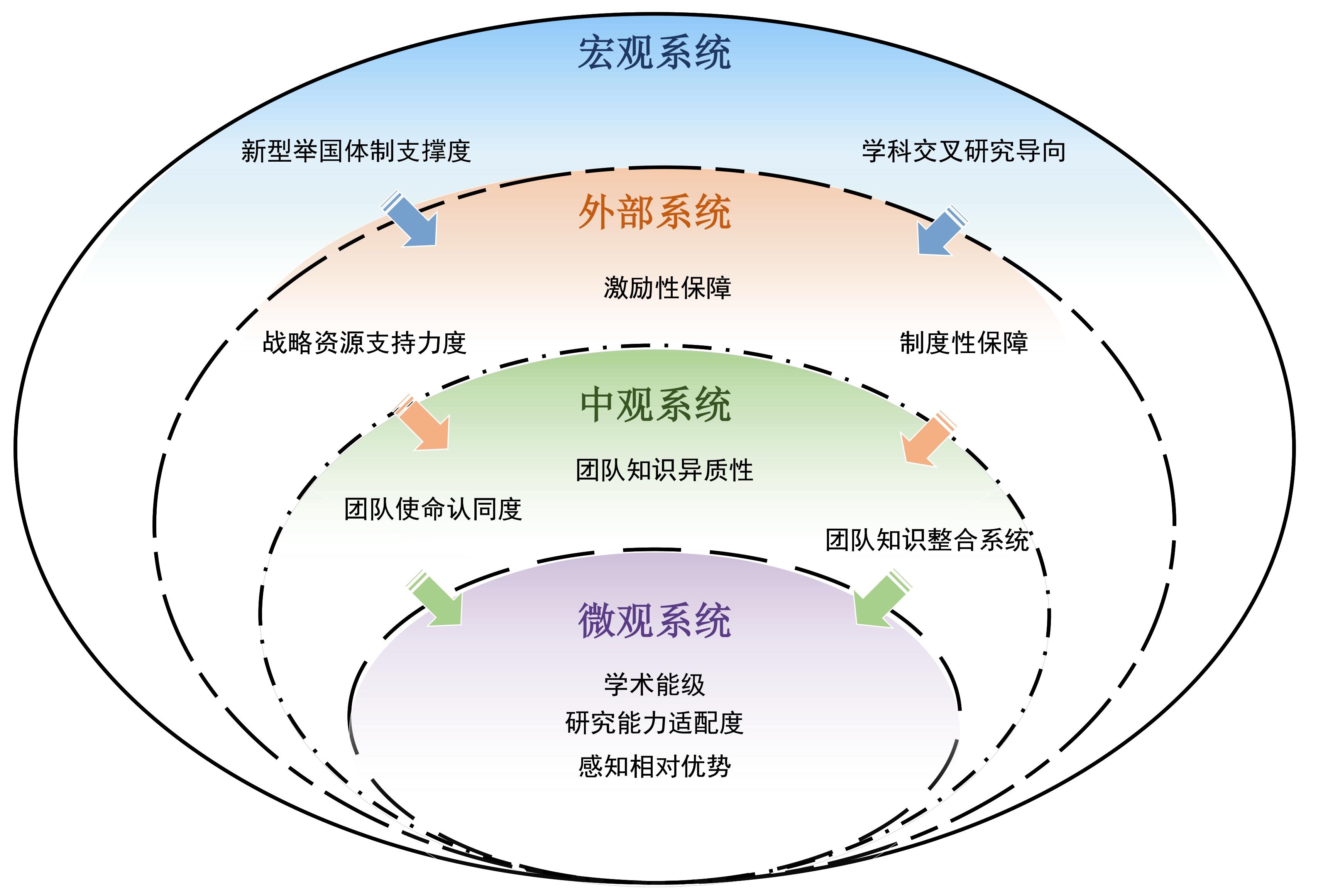
[Purpose/Significance] Amid the national push for the high-quality development of the philosophy and social sciences (PSS), organized scientific research is essential for overcoming disciplinary barriers and solving major practical issues. Existing studies mainly focus on natural sciences, ignoring PSS organized research's uniqueness - its heavy reliance on independent thinking and open academic exchange. This study fills this gap by exploring factors and mechanisms influencing PSS researchers' willingness to participate in organized collaborations, enriching the discipline-specific theoretical system and providing targeted references for optimizing institutional design, boosting participation enthusiasm, and enhancing collaborative innovation efficiency. [Method/Process] Guided by social ecosystem theory, a four-dimensional framework (micro-individual, meso-team, external-organizational, macro-institutional) was constructed. A questionnaire survey was conducted among PSS researchers (university faculty, research institute staff, doctoral students), yielding 371 valid samples after excluding flawed responses. Binary Logistic regression identified key influencing factors, while Interpretive Structural Modeling (ISM) analyzed their hierarchical structure and transmission paths. SPSS 27.0 and Amos 29.0 validated the measurement scales, confirming good internal consistency and structural validity. [Results/Conclusions] Binary Logistic regression shows ten factors significantly predict participation willingness. Microscopically, academic rank (marginally significant), research capability fit, and perceived relative advantage (strongest driver) are core individual motivations. Meso-level factors - team knowledge heterogeneity, mission identification, and knowledge integration system - exert the most prominent promotional effects. Externally, institutional and incentive guarantees form a "dual pillar," with strategic resource support marginally significant. Macroscopically, new nationwide system support and interdisciplinary orientation shape the overall environment. ISM reveals a hierarchical transmission mechanism: root factors (national system, interdisciplinary orientation) stimulate external support, foster meso organizational maturity, and act on micro factors, forming a complete chain. Three key paths are identified: institutional drive, evaluation traction, and resource collaboration. Limitations include cross-sectional data (unable to confirm causality) and insufficient interdisciplinary difference analysis. Future research may adopt longitudinal tracking, supplement qualitative methods (case studies, interviews), and conduct interdisciplinary comparisons to enhance conclusion depth.

Key words: organizational research, philosophy and social sciences, ISM model, influencing factors

CLC Number: 

  • G322.7

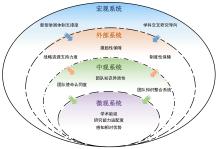
Fig.1

Theoretical framework"

Table 1

Influencing factors of philosophy and social science researchers' willingness to participate in organized research collaborations"

变量层级 变量名称 操作化定义 变量赋值
因变量 参与意愿 未来参与有组织科研合作的意愿 0=非积极意愿,1=积极意愿
微观层面 学术能级 职称 0=无,1=初级,2=中级,3=副高级,4=正高级
研究能力匹配度 个人专长与重大合作项目需求的契合程度 1=完全脱节,2=局部覆盖,3=基本匹配,4=高度契合,5=完全契合
感知相对优势 参与有组织科研合作对个人发展的收益预期 李克特五级量表
中观层面 团队知识异质性 团队成员在学科背景、知识结构与方法论上的多元化程度 李克特五级量表(团队知识异质性量表)
团队使命认同度 成员对有组织科研合作项目国家战略价值的认同 1=完全不认同,2=较少认同,3=一般认同,4=较认同,5=高度认同
团队知识整合系统 团队内部知识整合机制成熟度 李克特五级量表(交互记忆系统)
外部层面 战略资源支持力度 机构对有组织科研合作项目的资金、设备、数据等资源保障力度 1=非常不充足,2=较不充足,3=一般充足,4=比较充足,5=非常充足
激励性保障 机构在考核、晋升中对有组织科研合作成果的认可与激励力度 1=完全不支持,2=较不支持,3=一般支持,4=比较支持,5=非常支持
制度性保障 机构在职称晋升、资源分配等方面对有组织科研交叉融合创新的制度支持力度 1=完全不支持,2=较不支持,3=一般支持,4=比较支持,5=非常支持
宏观层面 新型举国体制支撑度 国家层面对有组织科研提供的政策、平台与经费等支持的力度感知 1=非常薄弱,2=较薄弱,3=一般,4=较强,5=非常强
学科交叉研究导向 学科文化对交叉研究的支持程度 1=完全不支持,2=较不支持,3=一般支持,4=比较支持,5=非常支持

Table 2

Basic information of samples"

变量名称 选项 频数 百分比/%
性别 170 45.8
201 54.2
年龄 25岁及以下 22 5.9
26~35岁 168 45.3
36~45岁 90 24.2
46~55岁 73 19.7
56岁及以上 18 4.9
学历 本科及以下 22 5.9
硕士 196 52.8
博士 153 41.3
学科领域 人文科学 176 47.4
社会科学 195 52.6
单位类型 双一流建设高校 225 60.6
双非高校 146 39.4
职称 40 10.8
初级职称 72 19.4
中级职称 105 28.3
副高级职称 100 27.0
高级职称 54 14.6
单位区域 东北地区 28 7.5
华北地区 42 11.3
华东地区 64 17.3
华中地区 90 24.3
华南地区 62 16.7
西南地区 40 10.8
西北地区 45 12.1
团队规模 小型团队(5~10人) 115 31
中小型团队(10~20人) 133 35.8
大型团队(20人以上) 123 33.2
参与意愿 非积极意愿 68 18.3
积极意愿 304 81.7

Table 3

Reliability and validity of test results"

变量 维度 Cronbach's α CFA拟合指标 聚合效度
χ²/df CFI TLI RMSEA AVE CR
感知相对优势 (单维) 0.711 2.96 0.971 0.990 0.073 0.505 0.754
团队知识异质性 显性知识异质性 0.764 - - - - 0.524 0.767
隐性知识异质性 0.763 - - - - 0.524 0.766
(二阶模型整体) 0.848 1.363 0.969 0.996 0.031 - -
团队知识整合系统 专长度 0.818 - - - - 0.529 0.818
协调度 0.843 - - - - 0.523 0.845
可信度 0.85 - - - - 0.533 0.85
(二阶模型整体) 0.887 1.748 0.974 0.968 0.045 - -

Table 4

Estimation results of binary logistic regression model"

变量名称 B 标准误差 瓦尔德 自由度 显著性 Exp(B) EXP(B)的95%置信区间
下限 上限
微观层面 学术能级 .335 .197 2.883 1 .090* 1.398 0.950 2.057
研究能力适配度 .332 .087 14.586 1 .000*** 1.393 1.175 1.651
感知相对优势 .784 .344 5.194 1 .023** 2.191 1.116 4.301
中观层面 团队知识异质性 1.296 .305 18.011 1 .000*** 3.655 2.009 6.650
团队知识整合系统 .759 .355 4.555 1 .033** 2.135 1.064 4.286
团队使命认同度 1.245 .434 8.222 1 .004*** 3.472 1.483 8.129
外部层面 战略资源支持力度 .442 .231 3.677 1 .055* 1.556 0.990 2.446
激励性保障 .387 .182 4.521 1 .033** 1.472 1.031 2.103
制度性保障 .445 .226 3.881 1 .049** 1.561 1.002 2.431
宏观层面 新型举国体制支撑度 1.025 .346 8.754 1 .003*** 2.787 1.413 5.494
学科交叉研究导向 1.074 .474 5.133 1 .023** 2.927 1.156 7.412
常量 -27.342 3.848 50.494 1 .000 .000

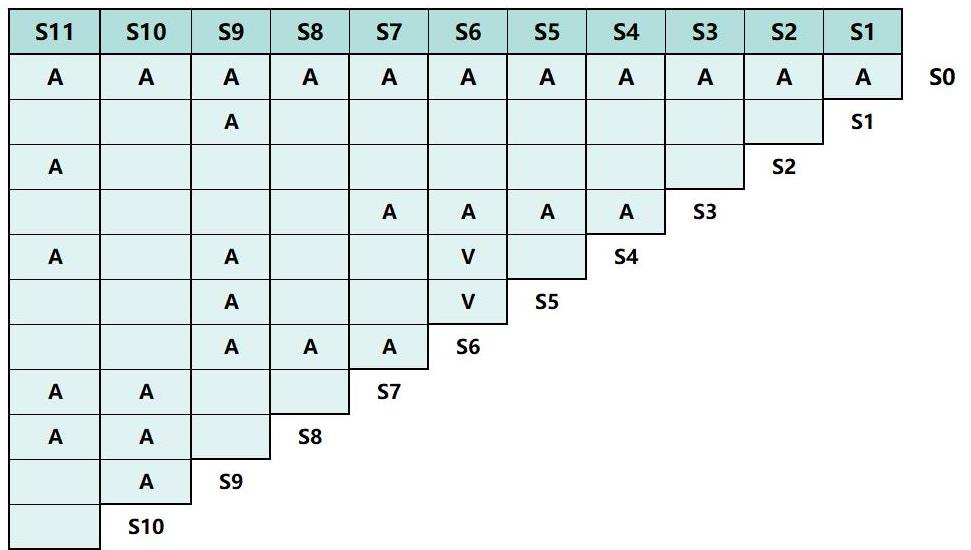
Fig.2

Definition of logical relationships among influencing factors"

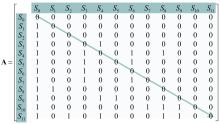
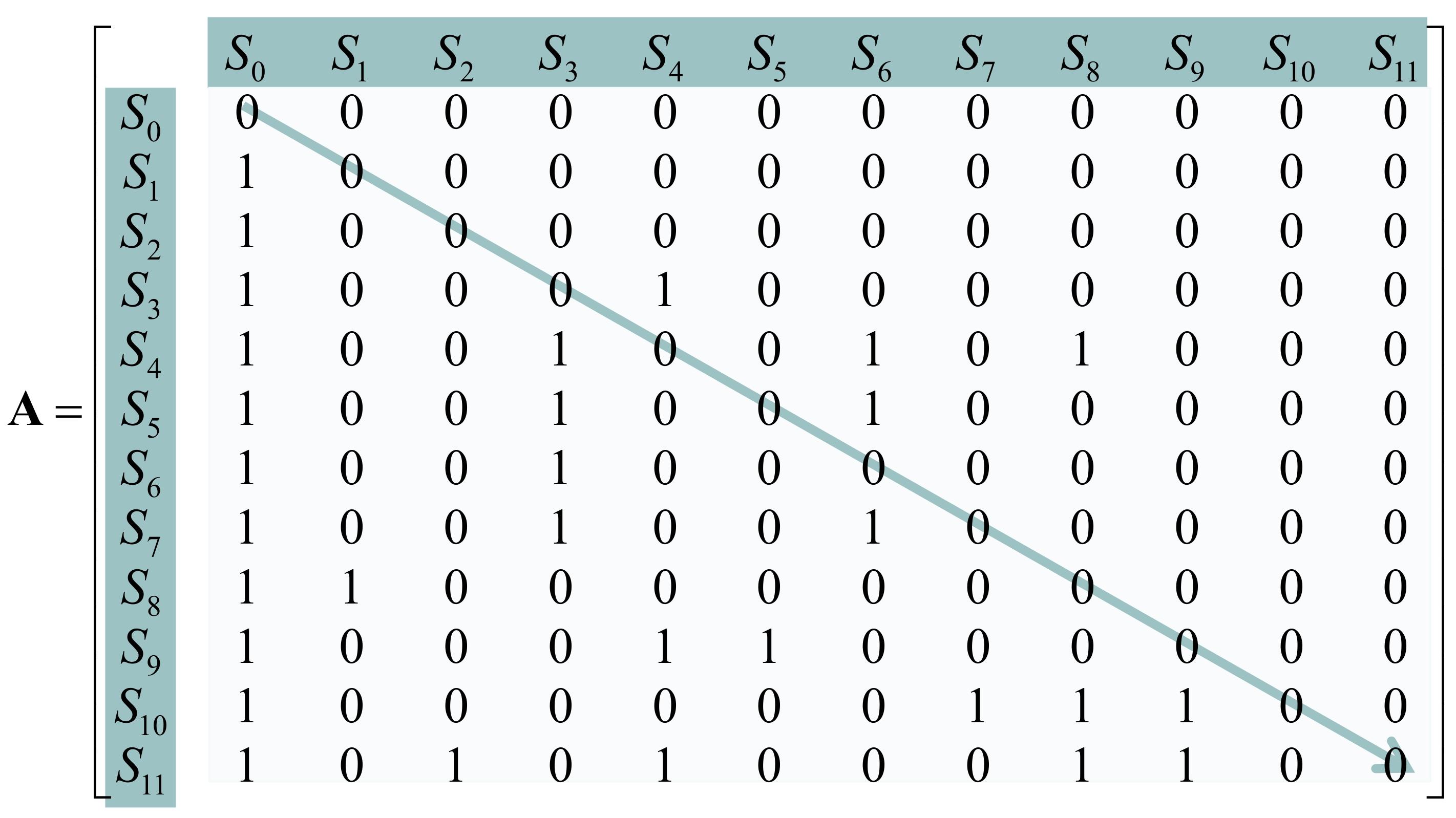
Fig.3

Adjacency matrix of influencing factors for researchers' participation in organized research collaborations"

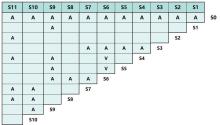
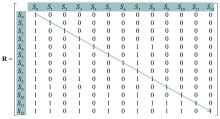
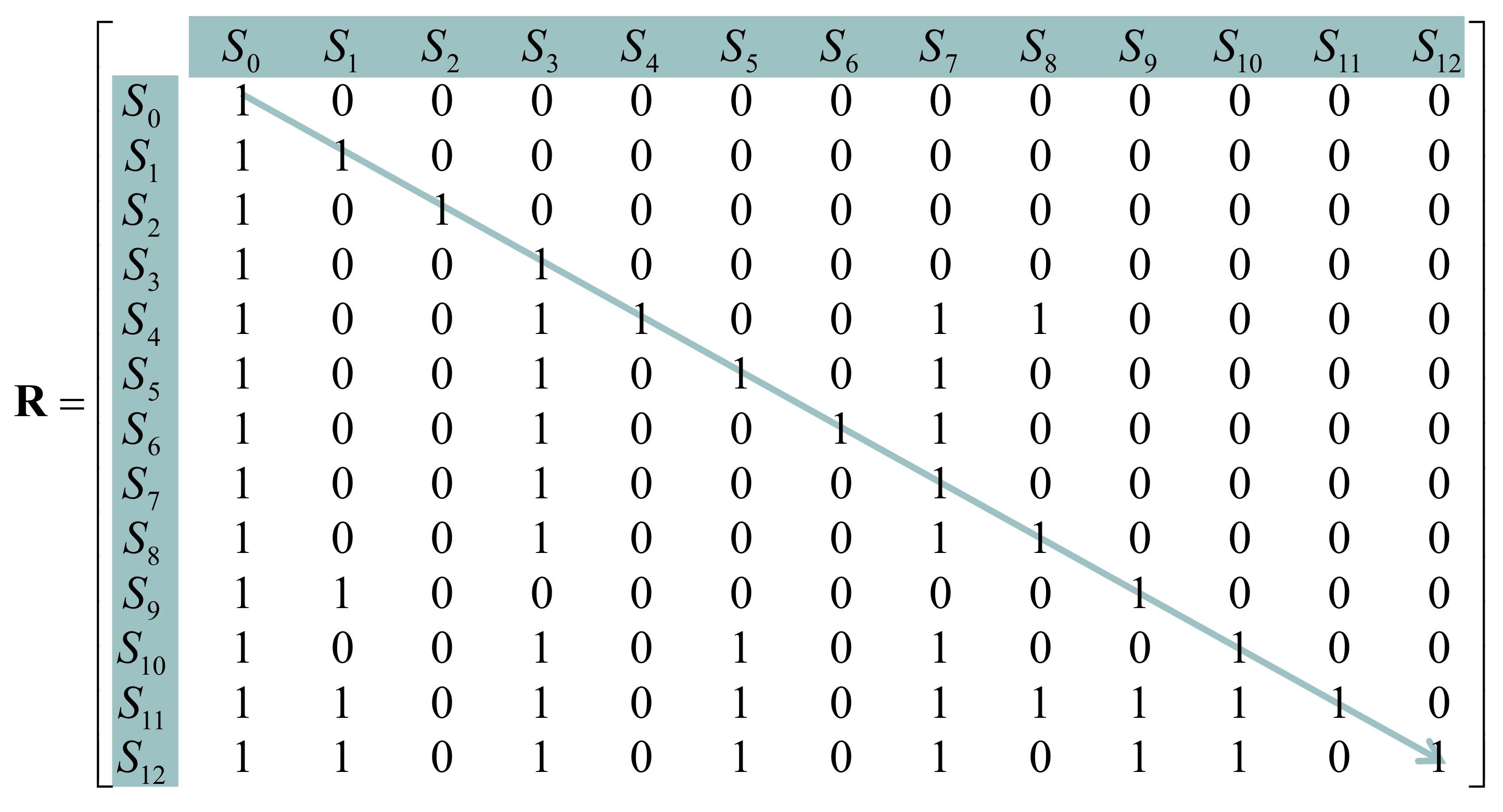
Fig.4

Reachability matrix of influencing factors for researchers' participation in organized research collaborations"

Table 5

Reachability set, antecedent set and their intersection set"

变量名称 可达集合R 先行集合Q 交集A=RQ
S0合作意愿 1 1,2,3,4,5,6,7,8,9,10,11,12 1
S1学术能级 1,2 2,9,11,12 2
S2研究能力适配度 1,3 3,12 3
S3感知相对优势 1,4 4,5,6,7,8,10,11,12 4
S4团队知识异质性 1,4,5,7 5,10,11,12 5
S5团队使命认同度 1,4,6,7 6,10,11,12 6
S6团队知识整合系统 1,4,7 5,6,7,8,10,11,12 7
S7战略资源支持力度 1,4,7,8 8,11 8
S8激励性保障 1,2,9 9,11,12 9
S9制度性保障 1,4,5,6,7,10 10,11,12 10
S10新型举国体制支撑度 1,2,4,5,6,7,8,9,10,11 11 11
S11学科交叉研究导向 1,2,3,4,5,6,7,9,10,12 12 12

Table 6

Hierarchical division results"

层级 要素
第1层(顶层) S0参与意愿
第2层 S1学术能级,S2研究能力匹配度,S3感知相对优势
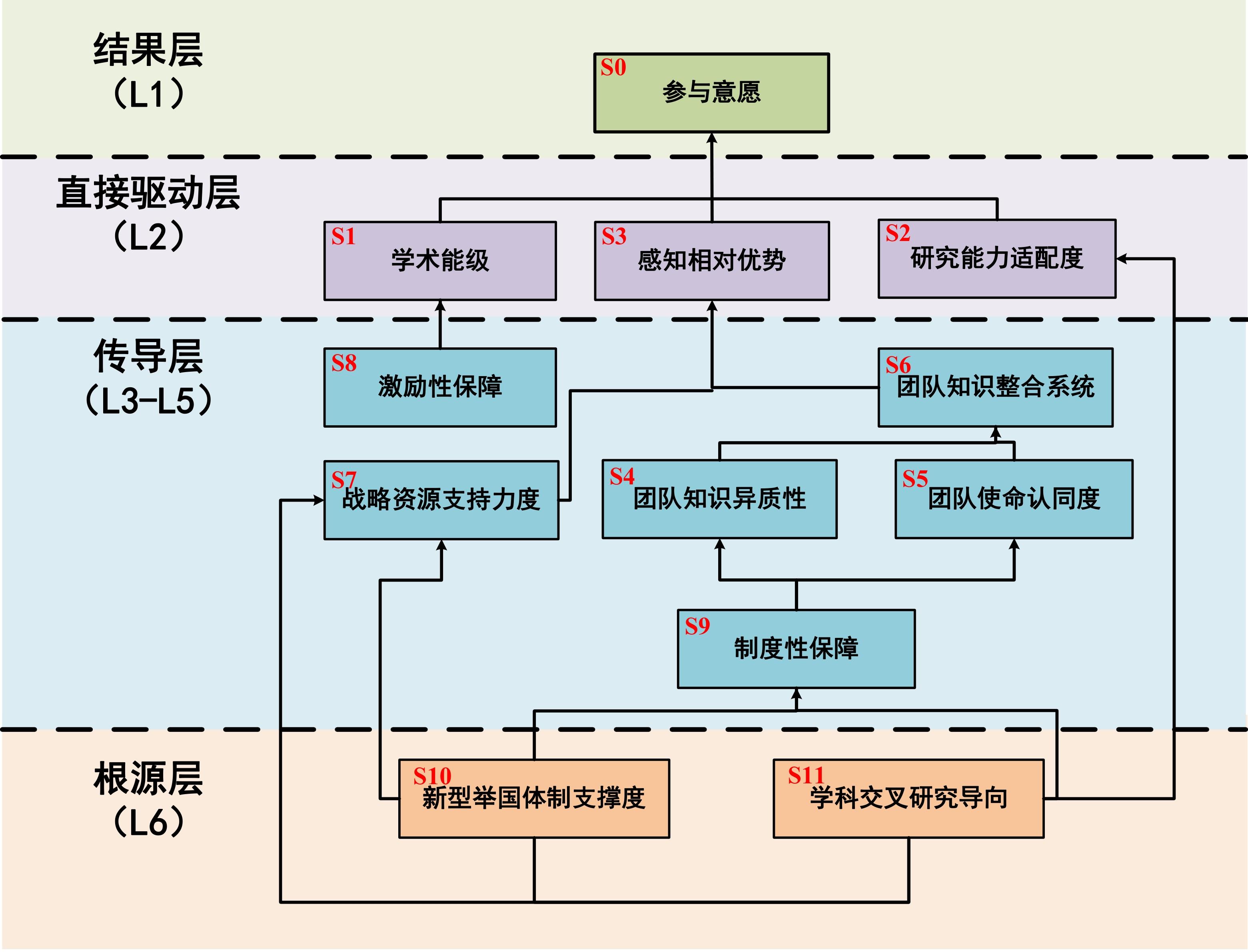
第3层 S6团队知识整合系统,S8激励性保障
第4层 S4团队知识异质性,S5团队使命认同度,S7战略资源支持力度
第5层 S9制度性保障
第6层(最底层)

S10新型举国体制支撑度,S11学科交叉研究导向

基于:结果优先-UP型

Fig.5

Interpretive structural model (ISM) of influencing factors for researchers' participation in organized research"

[1]
焦磊, 任卓瑜. 场域理论视角下大学跨学科合作研究的困境审思与破局之策[J]. 高校教育管理, 2025, 19(3): 49-61.
Jiao Lei, Ren Zhuoyu. Reflections and strategies for overcoming the dilemmas in interdisciplinary collaborative research in universities from field theory perspective[J]. Journal of Higher Education Management, 2025, 19(3): 49-61.
[2]
谭春辉, 周一夫, 涂瑞德, 等. 聚焦国家重大战略需求,加强“有组织科研”: 内涵定位、困境阻碍与运行策略[J]. 现代情报, 2025, 45(7): 134-144, 153.
Tan Chunhui, Zhou Yifu, Tu Ruide, et al. Focusing on major national strategic needs and strengthening "organized scientific research": Connotation-positioning, dilemmas-obstacles, and operational strategies[J]. Journal of Modern Information, 2025, 45(7): 134-144, 153.
[3]
熊进, 郭聪颖. 高校有组织科研的集体行动困境及化解策略[J]. 现代大学教育, 2024, 40(4): 18-26, 111.
Xiong Jin, Guo Congying. Collective action dilemmas in organized research within higher education institutions: How to resolve them[J]. Modern University Education, 2024, 40(4): 18-26, 111.
[4]
黄巨臣, 萧然. 高校“有组织科研”的碎片化困境与突破路径[J]. 科学学研究, 2024, 42(10): 2122-2129.
Huang Juchen, Xiao Ran. The dilemma of fragmentation and breakthrough path of "organised scientific research" in universities[J]. Studies in Science of Science, 2024, 42(10): 2122-2129.
[5]
赵小丽, 荀渊. 有组织科研中集体行动的逻辑、困境与策略选择[J]. 华东师范大学学报(教育科学版), 2025, 43(2): 66-77.
Zhao Xiaoli, Xun Yuan. The logic, dilemma and strategic choice of collective action in organized scientific research[J]. Journal of East China Normal University (Educational Sciences), 2025, 43(2): 66-77.
[6]
高杭, 王瑞珊. 高校有组织科研亟待改革创新[J]. 中国人民大学教育学刊, 2023(6): 35-43.
Gao Hang, Wang Ruishan. Organized scientific research in universities urgently needs reform and innovation[J]. Renmin University of China Education Journal, 2023(6): 35-43.
[7]
张娟, 荀振芳. 高校有组织科研的内涵、特征及实施路径[J]. 高等工程教育研究, 2023(6): 99-104.
Zhang Juan, Xun Zhenfang. The connotation, characteristics and implementation path of "organized scientific research" in universities[J]. Research in Higher Education of Engineering, 2023(6): 99-104.
[8]
曾粤亮, 司莉. 自由探索还是有组织科研: 跨学科科研合作的内涵、类型与特点[J]. 图书情报知识, 2023, 40(4): 81-91, 51.
Zeng Yueliang, Si Li. Free exploration or organized research: Connotation, types and characteristics of interdisciplinary research collaboration[J]. Documentation, Information & Knowledge, 2023, 40(4): 81-91, 51.
[9]
余洁, 李彩云. 大科学时代的高校有组织科研: 内在逻辑、现实障碍与推进路径[J]. 社会科学家, 2025(6): 181-187.
Yu Jie, Li Caiyun. Organized scientific research in colleges and universities in the era of big science: Internal logic, practical obstacles and promotion path[J]. Social Scientist, 2025(6): 181-187.
[10]
张政文. 以有组织科研推动高校哲学社会科学自立自强[J]. 中国高校社会科学, 2023(1): 87-104, 159.
Zhang Zhengwen. Promoting self-strengthening of philosophy and social sciences in higher institutions through organized research[J]. Social Sciences in Chinese Higher Education Institutions, 2023(1): 87-104, 159.
[11]
政光景, 吕鹏. 生成式人工智能与哲学社会科学新范式的涌现[J]. 江海学刊, 2023(4): 132-142, 256.
Zheng Guangjing, Lv Peng. Generative artificial intelligence and the emergence of new paradigms in philosophy and social sciences[J]. Jianghai Academic Journal, 2023(4): 132-142, 256.
[12]
马费成, 陈帅朴. 生成式人工智能赋能哲学社会科学研究[J]. 武汉大学学报(哲学社会科学版), 2024, 77(6): 25-33.
Ma Feicheng, Chen ShuaiPiao, Pu. GAI-empowered philosophy and social sciences research[J]. Wuhan University Journal (Philosophy & Social Sciences), 2024, 77(6): 25-33.
[13]
高光良. 高校开展“有组织科研”的探索——以哲学社会科学领域为例[J]. 西部素质教育, 2024, 10(6): 159-164.
Gao Guangliang. Exploration of "Organized Scientific Research" in Colleges and Universities - Taking the field of philosophy and social sciences as an example[J]. Western China Quality Education, 2024, 10(6): 159-164.
[14]
陈云松. 以有组织科研助推哲学社会科学高质量发展[EB/OL]. [2025-11-08].
[15]
吴晶晶, 武泽豪, 周光礼. 大科学时代有组织科研激励制度优化研究[J]. 清华大学教育研究, 2025, 46(3): 107-118.
Wu Jingjing, Wu Zehao, Zhou Guangli. Optimizing incentive mechanisms for organized scientific research in the big science era[J]. Tsinghua Journal of Education, 2025, 46(3): 107-118.
[16]
黄雪梅. “双一流” 建设高校教师科研合作影响因素的实证研究[J]. 中国高教研究, 2022(4): 78-84.
Huang Xuemei. An empirical study on the influencing factors of teachers' research collaboration in "double first-class" construction universities[J]. China Higher Education Research, 2022(4): 78-84.
[17]
赵宏媚, 季小天, 赵文华, 等. 国外有组织科研管理的整合性分析及对中国的启示[J]. 科技管理研究, 2024, 44(22): 95-101.
Zhao Hongmei, Ji Xiaotian, Zhao Wenhua, et al. The integrative analysis for organized scientific research management abroad and its enlightenment to China[J]. Science and Technology Management Research, 2024, 44(22): 95-101.
[18]
姚雯静, 常旭华. 有组织科研视角下科研团队结构与创新效能文献述评与展望[J]. 科技进步与对策, 1-10[2025-10-25].
Yao Wenjing, Chang Xuhua. Literature review and prospect of research team structure and innovation efficiency from the perspective of organized scientific research[J]. Scientific and Technological Progress and Countermeasures, 1-10[2025-10-25].
[19]
康云菲, 蒋凯. 高校有组织科研与拔尖创新人才培养协同: 应为、难为与何为[J]. 江苏高教, 2025(9): 1-10.
Kang Yunfei, Jiang Kai. Coordination between university organized research and the cultivation of top innovative talents: Advantages, dilemmas and pathways[J]. Jiangsu Higher Education, 2025(9): 1-10.
[20]
马永红, 于妍. 评价何以支撑高校有组织科研——创新评价的理念与关键维度[J]. 中国高等教育, 2024(5): 40-44.
Ma Yonghong, Yu Yan. How evaluation supports organized scientific research in colleges and universities - Concept and key dimensions of innovation evaluation[J]. China Higher Education, 2024(5): 40-44.
[21]
移家榕. 共生理论视角下高校有组织科研的合作困境及化解策略[J]. 教育观察, 2025, 14(19): 22-26.
Yi Jiarong. Cooperative dilemma of organized scientific research in colleges and universities from the perspective of symbiosis theory and its solution strategies[J]. Survey of Education, 2025, 14(19): 22-26.
[22]
陈霞玲. 高校开展有组织科研的组织模式、经验特征与问题对策[J]. 国家教育行政学院学报, 2023(7): 78-87.
Chen Xialing. Organizational model, empirical characteristics, problem and suggestions of organized scientific and research in colleges and universities[J]. Journal of National Academy of Education Administration, 2023(7): 78-87.
[23]
王杰, 朱军文. 高校哲学社会科学有组织科研的理据、模式与挑战[J]. 中国教育政策评论, 2023(1): 1-14.
Wang Jie, Zhu Junwen. Rationale, mode and challenge of organized scientific research in philosophy and social sciences in colleges and universities[J]. Education Policy Review in China, 2023(1): 1-14.
[24]
谭春辉, 唐天. 价值共创导向的哲学社会科学科研人员有组织科研合作动机研究[J]. 知识管理论坛(网络版), 2025, 10(6): 479-493.
Tan Chunhui, Tang Tian. Research on the motivation of organized scientific research cooperation of philosophy and social science researchers oriented towards value co-creation[J]. Knowledge Management Forum, 2025, 10(6): 479-493.
[25]
廖湘阳, 黎婷婷. 高校有组织科研何以有效组织——有组织科研组织架构的维度及其组合[J]. 江苏高教, 2025(7): 44-52.
Liao Xiangyang, Li Tingting. How to effectively organize organized research in universities[J]. Jiangsu Higher Education, 2025(7): 44-52.
[26]
谭春辉, 周一夫. 有组织科研范式下哲学社会科学科研人员合作动机研究: 类型识别、属性解析、层级路径[J]. 情报科学, 1-17[2025-10-25].
Tan Chunhui, Zhou Yifu. Research on the cooperative motivation of philosophy and social science researchers under the paradigm of organized scientific research : Type identification, attribute analysis and hierarchical path[J]. Information Science, 1-17[2025-10-25].
[27]
杨超, 刘梅秀. 关系主义视域下社会工作生态系统理论的再整合[J]. 华东理工大学学报(社会科学版), 2025, 40(2): 19-31.
Yang Chao, Liu Meixiu. The re-integration of the social work ecosystem theory from the perspective of relationalism[J]. Journal of East China University of Science and Technology (Social Science Edition), 2025, 40(2): 19-31.
[28]
师海玲, 范燕宁. 社会生态系统理论阐释下的人类行为与社会环境——2004年查尔斯·扎斯特罗关于人类行为与社会环境的新探讨[J]. 首都师范大学学报(社会科学版), 2005(4): 94-97.
Shi Hailing, Fan Yanning. Explaining the relationship between human behavior and social condition under the social ecosystem theory[J]. Journal of Capital Normal University (Social Science Edition), 2005(4): 94-97.
[29]
陈虹, 崔本琳. 有组织科研情境下高校青年科技人才创新绩效影响因素的组态效应研究[J]. 科学决策, 2025(10): 205-219.
Chen Hong, Cui Benlin. Configurational effects of factors influencing the innovation performance of early-Ca-reer university scientists in the context of organized research[J]. Scientific Decision-Making, 2025(10): 205-219.
[30]
谭春辉, 汪红信. 人文社科领域高影响力作者有组织科研合作特征对论文产出的影响[J]. 农业图书情报学报, 2025, 37(12): 48-63.
Tan Chunhui, Wang Hongxin. The impact of organized research collaboration characteristics among high-impact authors in humanities and social sciences on paper output[J]. Journal of Library and Information Science in Agriculture, 2025, 37(12): 48-63.
[31]
谭春辉, 王佳诺. 有组织科研范式下哲学社会科学科研人员合作意愿影响因素研究——基于Logit-ISM模型的实证分析[J]. 数字图书馆论坛, 2025, 21(8): 66-75.
Tan Chunhui, Wang Jianuo. Influencing factors of cooperation willingness among philosophy and social sciences researchers under organized scientific research paradigm: Empirical analysis based on logit-ISM model[J]. Digital Library Forum, 2025, 21(8): 66-75.
[32]
谭春辉, 李明磊, 王仪雯, 等. 有组织科研团队负责人科研产出与个人履历的关系——以国家社会科学基金重大项目负责人为例[J]. 图书馆论坛, 2026, 46(1): 138-147.
Tan Chunhui, Li Minglei, Wang Yiwen, et al. The relationship between research outputs and resumes of organized research team leaders: A case study of major projects from national social science fund[J]. Library Tribune, 2026, 46(1): 138-147.
[33]
吴文钰. 以科研团队建设推动高校文科有组织科研的逻辑与进路[J]. 黑龙江高教研究, 2024, 42(1): 31-35.
Wu Wenyu. Logic and solution of promoting organized humanities and social sciences research in universities via scientific research team construction[J]. Heilongjiang Researches on Higher Education, 2024, 42(1): 31-35.
[34]
李欣哲, 鲁晓. 科研团队知识背景组合如何影响知识创新: 跨学科比较分析[J]. 信息资源管理学报, 2025, 15(6): 143-156.
Li Xinzhe, Lu Xiao. How research team knowledge background composition affects knowledge innovation: A comparative interdisciplinary analysis[J]. Journal of Information Resources Management, 2025, 15(6): 143-156.
[35]
蒋玲. 高校人文社会科学科研团队知识转移研究[J]. 档案学通讯, 2014(3): 57-59.
Jiang Ling. Research on knowledge transfer of humanities and social sciences research teams in colleges and universities[J]. Archives Science Bulletin, 2014(3): 57-59.
[36]
王春雷. 高校教师科研合作影响因素研究: 以广西为例[J]. 科技进步与对策, 2012, 29(21): 145-149.
Wang Chunlei. Influencing factors of teachers' scientific research cooperation: A case study of Guangxi universities and colleges[J]. Science & Technology Progress and Policy, 2012, 29(21): 145-149.
[37]
吴岩. 创业团队的知识异质性对创业绩效的影响研究[J]. 科研管理, 2014, 35(7): 84-90.
Wu Yan. Influence of knowledge heterogeneity on entrepreneurial performance of entrepreneurial team[J]. Science Research Management, 2014, 35(7): 84-90.
[38]
陈伟, 杨早立, 朗益夫. 团队断裂带对团队效能影响的实证研究——关系型领导行为的调节与交互记忆系统的中介[J]. 管理评论, 2015, 27(4): 99-110, 121.
Chen Wei, Yang Zaoli, Lang Yifu. Empirical study on the effect of team faultlines on team effectiveness: The moderation role of relational leadership behavior and the mediating role of transaction memory system[J]. Management Review, 2015, 27(4): 99-110, 121.
[39]
Lewis K. Measuring transactive memory systems in the field: Scale development and validation[J]. The Journal of Applied Psychology, 2003, 88(4): 587-604.
[40]
张天雪, 李赛培. 我国高校交叉学科组织建设的要素识别与路径优化[J]. 现代教育管理, 2025(10): 21-33.
Zhang Tianxue, Li Saipei. Element identification and path optimization of interdisciplinary organization construction in Chinese universities[J]. Modern Education Management, 2025(10): 21-33.
[1] ZHAO Yajing. A Study of the Factors Influencing Participation Behavior among Users with Depression on User-Generated Content (UGC) Platforms [J]. Journal of library and information science in agriculture, 2025, 37(6): 70-86.
[2] CUI Shaojie, LIU Yanping. Impact of Digital Literacy on Rural Governance Effectiveness: Based on the Survey of 306 Rural Residents in Xia County, Shanxi Province [J]. Journal of library and information science in agriculture, 2025, 37(4): 39-50.
[3] LI Xiao, QU Jiansheng. Influencing Factors of User Participation Intention of Crowdsourcing in Evidence Synthesis [J]. Journal of library and information science in agriculture, 2025, 37(3): 92-105.
[4] HAN Xi, LIAO Ke. Factors Influencing Misinformation Propagation: A Systemic Review [J]. Journal of library and information science in agriculture, 2024, 36(12): 45-63.
[5] SUN Lili, WANG WeiJie, SHENG Jiefei. Influencing Factors of Scientific Data Value Increment Based on System Dynamics [J]. Journal of library and information science in agriculture, 2023, 35(9): 28-42.
[6] WU Yiwei, WEN Tingxiao. Effects of Public Online Health Information Search on Offline Medical Care Seeking Behavior [J]. Journal of library and information science in agriculture, 2023, 35(8): 30-42.
[7] YU Bo, CHEN Shiji, Zhao Jiayi. Influencing Factors and Indicator System Construction for the Evaluation of Talented People in Scientific and Technological Fields in Chinese Universities [J]. Journal of library and information science in agriculture, 2023, 35(7): 63-74.
[8] GAO Lan, TANG Anying, FAN Guangji, CHEN Lianfang. Influencing Factors of Public Demand for Digital Cultural Service in Fujian Province: Based on the Survey of Colleges and Universities in Fujian Province [J]. Journal of library and information science in agriculture, 2023, 35(3): 90-103.
[9] HU Yuan, GAO Wei, CHEN Guodong. Influencing Factors of Network Social Mentality in Public Emergencies: A Meta-Synthesis [J]. Journal of library and information science in agriculture, 2023, 35(12): 18-32.
[10] JIANG Zhihui, LI Xuan, CAO Gaohui. Causes and Influence Paths of Digital Stress among Social Media Users [J]. Journal of library and information science in agriculture, 2023, 35(11): 64-76.
[11] ZHAO Youlin, CAO Hongnan. Government Microblog Information Exchange Efficiency and Its Influencing Factors for Emergency Management [J]. Journal of library and information science in agriculture, 2022, 34(9): 72-85.
[12] XING Fei, LIU Caihua, CHAI Xuefei, PENG Guochao. Influencing Factors of Elderly Users' Health Information Adoption Behavior Based on Social Platforms: Taking WeChat as an Example [J]. Journal of library and information science in agriculture, 2022, 34(7): 53-64.
[13] GUO Weijia. Influencing Factors of Artificial Intelligence Readiness in Libraries [J]. Journal of library and information science in agriculture, 2022, 34(5): 47-56.
[14] XIONG Huan, LUO Aijing, XIE Wenzhao, HUANG Panhao. Status and Influencing Factors of Health Information Literacy of the Rural Elderly [J]. Journal of library and information science in agriculture, 2022, 34(10): 44-56.
[15] WANG Hui. The Influence of Knowledge Service Ability on the User's Intention of Using the Knowledge Service Platform Provided by University Libraries [J]. Journal of library and information science in agriculture, 2021, 33(9): 64-71.
Viewed
Full text


Abstract

Cited

  Shared   
  Discussed   
No Suggested Reading articles found!