中文    English

Journal of library and information science in agriculture


Information Service Model of Smart Libraries from the Perspective of Ecological Search

JIANG Jiping1,2   

  1. 1. Guangxi Normal University Library, Guilin 541004
    2. Institute of Library and Information Science, Guangxi Normal University, Guilin 541004
  • Received:2025-12-22 Online:2026-02-12

Abstract:

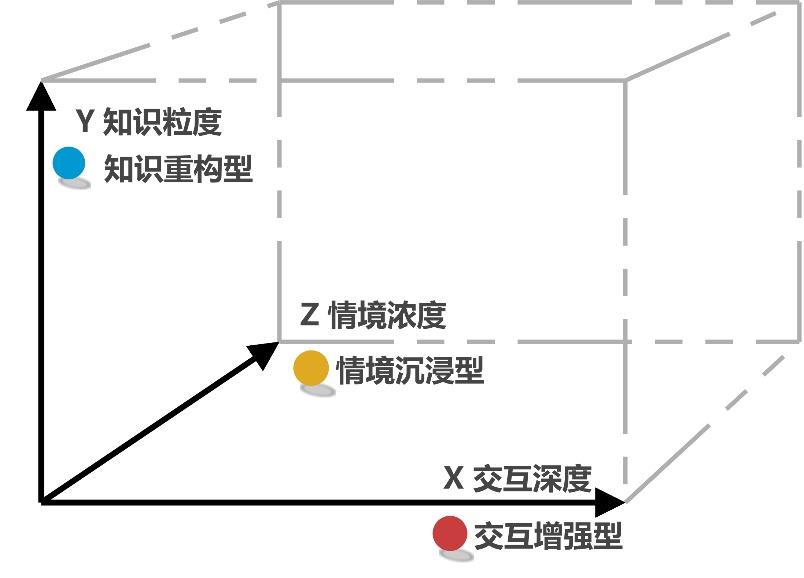
[Purpose/Significance] With the accelerated convergence of artificial intelligence and the metaverse, smart library information services are undergoing a profound transformation from tool-oriented functional optimization toward holistic cognitive support. Traditional information retrieval and service models increasingly struggle to explain and support complex cognitive activities involving multi-agent collaboration, contextual awareness, and continuous knowledge construction. From the perspective of human-machine-environment collaborative cognition, this study aims to explore the paradigm shift of smart library information services in intelligent digital environments and to establish an integrated theoretical framework that coordinates technological systems, cognitive processes, and contextual factors, thereby providing a systematic theoretical foundation for service model innovation and capability enhancement in smart libraries. [Method/Process] This study first reviews the evolutionary trajectory of information search paradigms - from symbolic computation and semantic understanding to social perception - through systematic literature analysis. We proposed Ecological Search as an emerging paradigm. Drawing on distributed cognition, embodied cognition, and information ecology theories, a human-machine-environment cognitive symbiosis search architecture was constructed, driven by a dual core of social multi-agent communities and contextualized metaverse environments. The architecture operates through an inner-outer dual-loop mechanism consisting of environmental perception and intention emergence, federated retrieval and knowledge fusion, collaborative generation and narrative construction, and cognitive evolution and ecological calibration. Furthermore, an "interaction-knowledge-context" three-dimensional analytical model was developed to decompose key service capabilities and derive differentiated integration pathways under diverse service objectives. [Results/Conclusions] The study proposed three smart library information service models: interaction-enhanced integration, knowledge-reconstructive integration, and context-immersive integration, and clarified how a unified cognitive architecture can be flexibly configured for different user groups and service scenarios. The findings indicate that the ecological search paradigm transcends system-centered instrumental rationality and reconceptualizes information search as a human-machine-environment collaborative process supporting continuous cognitive construction. By integrating multi-agent systems and contextualized environments, this paradigm provides essential mechanisms for smart libraries to move beyond information provision toward advanced cognitive support. The study offers theoretical insights and practical implications for achieving an ecological transformation of smart library information services while balancing technological innovation and human-centered values.

Key words: ecological search, smart library, information service model, multi-agent system, metaverse

CLC Number: 

  • G251.3

Table 1

Comparison of cognitive orientations and operational logics of information retrieval paradigms"

分析维度

范式I:

符号计算

范式II:

语义理解

范式III:

社会感知

范式IV:

生态化搜索

核心目标 资源定位 意图理解与知识发现 需求协同建构与动态澄清 情境化认知建构与共生
系统角色 被动工具 认知支持助手 协同对话伙伴 认知生态中的社会性行动者
关键技术 布尔模型、倒排索引 知识图谱、神经网络、语义向量 大语言模型(LLM)、检索增强生成(RAG) 多智能体系统、环境感知计算、数字孪生、具身交互
交互模式 人适应工具(查询式) 人机对话(问答式) 多轮对话与意图澄清(协作式) “人-机-境”多元具身交互(共生式)
知识边界 封闭的静态知识库 开放的预训练语义空间 动态扩展的外部知识源LLM内部知识 动态扩展的联邦知识网络实时环境状态

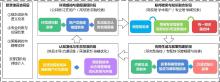
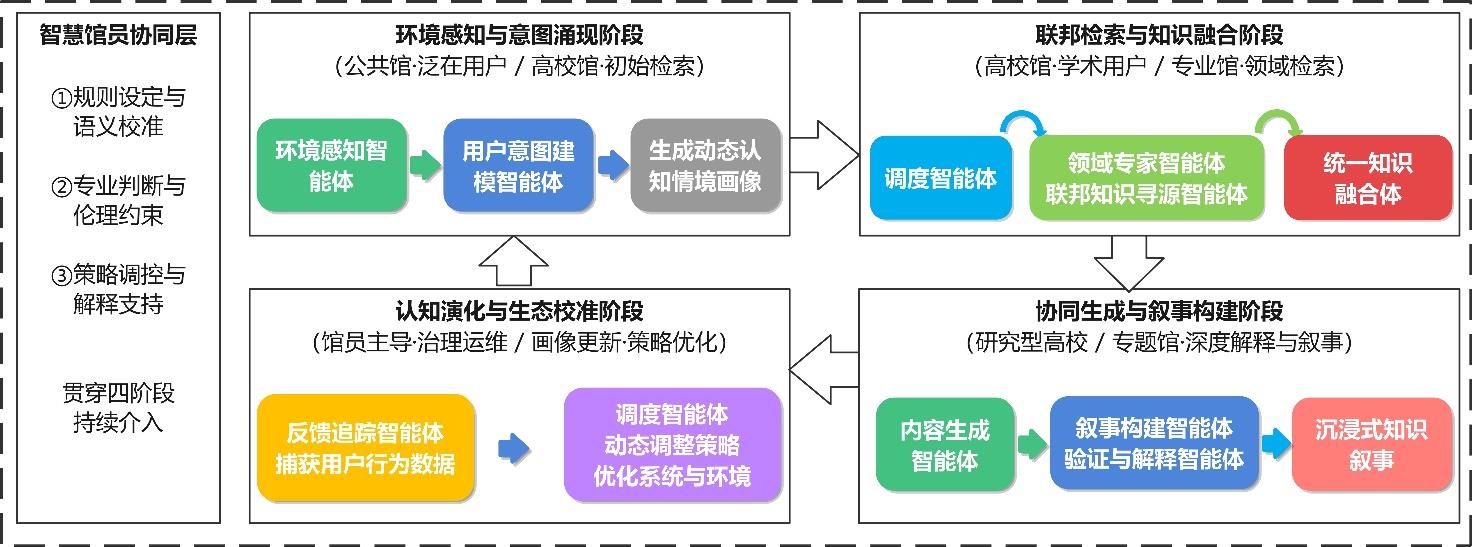
Fig.1

Human-machine-environment cognitive symbiosis search architecture and its inner–outer dual-loop operating mechanism"

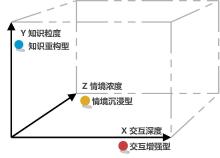
Fig.2

Three-dimensional analytical model"

Table 2

Typical configuration patterns of smart library information service models under the ecological search framework"

融合模式

核心用户

角色

核心智能体与

服务主体

核心服务内容与

价值主张

关键技术策略与

使能机制

模式一

交互增强型融合

探索者

(科研人员、决策者、普通用)

元域导航员智能体

资源探索伙伴智能体

AI辅助问答系统

价值内核:实现从人找信息到信息适人的无缝通达体验

服务呈现:具身交互式咨询、兴趣图谱驱动的资源发现

多智能体协同问答链

跨模态意图动态感知

元宇宙空间中的资源可视化映射

模式二

知识重构型融合

创新者

(科研团队、专家学者)

知识架构师智能体

推理验证联盟智能体群

领域知识图谱系统

价值内核:提供从信息聚合到知识创生的深度解决方案

服务呈现:跨域知识合成、虚拟研究工作坊

联邦知识寻源与语义对齐

智能体间推理链验证

元宇宙知识对象建模与操纵

模式三

情境沉浸型融合

体验者

(青少年、公众)

叙事构建师智能体

沉浸式学习导师

虚拟阅读伴侣

价值内核:打造从被动接收到主动体验的认知与情感投入场域

服务呈现:叙事化阅读引导、情境化素养挑战

AIGC动态叙事生成

多感官通道交互设计

虚拟环境中的行为分析与自适应反馈

[1]
邱泽奇. 人机互生: 范式革命与知识生产重构[J]. 探索与争鸣, 2024(11): 30-40.
Qiu Zeqi. Human-machine mutuality: Paradigm revolution and knowledge production reconstruction[J]. Exploration and Free Views, 2024(11): 30-40.
[2]
吴江, 陈浩东, 贺超城. 元宇宙: 智慧图书馆的数实融合空间[J]. 中国图书馆学报, 2022, 48(6): 16-26.
Wu Jiang, Chen Haodong, He Chaocheng. Metaverse: The digital-real fusion space of the smart library[J]. Journal of Library Science in China, 2022, 48(6): 16-26.
[3]
田丽梅, 廖莎. 元宇宙视域下智慧图书馆的创新发展研究[J]. 图书馆, 2022(5): 54-59.
Tian Limei, Liao Sha. Research on the innovative development of smart library from the perspective of metaverse[J]. Library, 2022(5): 54-59.
[4]
梁荣贤, 李通, 凌征强. 元宇宙图书馆: 内涵衍变、建设发展与问题应对[J]. 图书馆工作与研究, 2023(6): 5-10, 30.
Liang Rongxian, Li Tong, Ling Zhengqiang. Metaverse library: Connotation evolution, construction development and problem response[J]. Library Work and Study, 2023(6): 5-10, 30.
[5]
蔡迎春, 严丹, 周琼, 等. 元宇宙时代智慧图书馆的实践路径——从图书馆的智慧化走向智慧的图书馆化[J]. 中国图书馆学报, 2023, 49(4): 103-113.
Cai Yingchun, Yan Dan, Zhou Qiong, et al. The practical path of the intelligent library in the metaverse era: From the intellectualization of library to the librarianization of intelligence[J]. Journal of Library Science in China, 2023, 49(4): 103-113.
[6]
陈超. 图书馆要勇当公共文化数字化转型的排头兵——《关于推进实施国家文化数字化战略的意见》学习思考[J]. 中国图书馆学报, 2022, 48(4): 23-25.
Chen Chao. Libraries should take the lead in the digital transformation of public culture[J]. Journal of Library Science in China, 2022, 48(4): 23-25.
[7]
王晰巍, 乌吉斯古楞, 刘宇桐, 等. 面向智能推荐的AI人机交互: 研究热点及未来机会[J]. 情报学报, 2023, 42(4): 495-509.
Wang Xiwei, 乌吉斯古楞, Liu Yutong, et al. AI human-computer interaction of intelligence recommendation system: Frontier and future agenda[J]. Journal of the China Society for Scientific and Technical Information, 2023, 42(4): 495-509.
[8]
张光照, 王忠义, 杨帆, 等. 图书馆智能参考咨询与业务深度融合研究[J]. 图书情报工作, 2025, 69(6): 33-45.
Zhang Guangzhao, Wang Zhongyi, Yang Fan, et al. Research on the deep integration of intelligent reference consulting and business in libraries[J]. Library and Information Service, 2025, 69(6): 33-45.
[9]
胡裕阳. 多元协同视域下智慧图书馆数字资源协同管理体系研究[J]. 图书馆, 2021(11): 23-29.
Hu Yuyang. Research on digital resource management of smart library under the vision of multiple synergy[J]. Library, 2021(11): 23-29.
[10]
徐淋楠, 邵波. 基于下一代服务平台的高校图书馆纸电数资源一体化管理流程研究[J]. 图书馆, 2025(10): 91-98.
Xu Linnan, Shao Bo. Integrated management process of print, electronic, and digital resources in university libraries based on next generation library service platforms[J]. Library, 2025(10): 91-98.
[11]
任依晴, 王飞翔. 智能科技在图书馆服务创新中的实践——以上海图书馆为例[J]. 江苏科技信息, 2025, 42(14): 63-67.
Ren Yiqing, Wang Feixiang. Practice of intelligent technology in library service innovation: Taking Shanghai Library as an example[J]. Jiangsu Science and Technology Information, 2025, 42(14): 63-67.
[12]
储节旺, 樊鑫鑫. 智能体在智慧图书馆中的应用: 特征能力、体系框架与构建路径[J]. 图书情报工作, 2025, 69(14): 52-60.
Chu Jiewang, Fan Xinxin. Application of agents in smart libraries: Feature capabilities, system framework, and development path[J]. Library and Information Service, 2025, 69(14): 52-60.
[13]
樊舒, 于兴尚, 董晶, 等. 融合多模态交互的智慧图书馆场景化知识服务模式研究[J]. 图书馆学研究, 2025(10): 95-103, 94.
Fan Shu, Yu Xingshang, Dong Jing, et al. Research on scenario-based knowledge service model with multimodal interaction in smart libraries[J]. Research on Library Science, 2025(10): 95-103, 94.
[14]
张丽, 王博, 张琪晶. 生成式人工智能驱动公共图书馆资源发现:基于动态评价模型的服务优化研究[J]. 农业图书情报学报, 2025, 37(5): 58-71.
Zhang Li, Wang Bo, Zhang Qijing. Generative AI-driven resource discovery in public libraries: Service optimization based on a dynamic evaluation model[J]. Journal of Library and Information Science in Agriculture, 2025, 37(5): 58-71.
[15]
曾子明, 孙守强. 基于用户画像的智慧图书馆个性化移动视觉搜索研究[J]. 图书与情报, 2020(4): 84-91.
Zeng Ziming, Sun Shouqiang. Research on personalized mobile visual search of smart library based on user portrait[J]. Library and Information, 2020(4): 84-91.
[16]
冯小桓. 元宇宙驱动下高校智慧图书馆场景构建和实施策略[J]. 图书馆理论与实践, 2024(3): 96-101.
Feng Xiaohuan. Construction and implementation strategies of smart library scenes in universities driven by metaverse[J]. Library Theory and Practice, 2024(3): 96-101.
[17]
牛悦, 郝保权, 赵志艳. 基于大模型的高校图书馆个性化资源推荐系统构建与实践研究[J]. 新世纪图书馆, 2025(7): 66-73.
Niu Yue, Hao Baoquan, Zhao Zhiyan. Research on the construction and practice of university library personalized resource recommendation system based on large models[J]. New Century Library, 2025(7): 66-73.
[18]
张春春, 孙瑞英. 智慧图书馆用户数据合规治理机制研究[J]. 图书情报工作, 2024, 68(4): 15-26.
Zhang Chunchun, Sun Ruiying. Research on user data compliance governance mechanism of smart library[J]. Library and Information Service, 2024, 68(4): 15-26.
[19]
陆康, 刘慧, 张婧, 等. 基于AI治理的图书馆智慧服务内在路径解析——以欧盟《人工智能伦理准则》为例[J]. 图书馆理论与实践, 2021(6): 55-60.
Lu Kang, Liu Hui, Zhang Jing, et al. Internal path analysis of library smart service based on AI governance: Take the Eu code of ethics on artificial intelligence as an example[J]. Library Theory and Practice, 2021(6): 55-60.
[20]
薛霏, 王静静, 叶鹰. DeepSeek推动下生成式AI走势及其图书馆应用前景探析[J]. 图书馆杂志, 2025, 44(5): 43-50.
Xue Fei, Wang Jingjing, Ye Ying. On the trends of GenAI driven by DeepSeek with application prospects in libraries[J]. Library Journal, 2025, 44(5): 43-50.
[21]
楼心月, 卢振波, 吴楠烨. 数字孪生图书馆系统群的设计——以浙江工业大学图书馆融媒体门户建设为例[J]. 浙江科技大学学报, 2025, 37(1): 65-74.
Lou Xinyue, Lu Zhenbo, Wu Nanye. Design of digital twin library system group Take media convergence platform of Zhejiang University of Technology Library as an example[J]. Journal of Zhejiang University of Science and Technology, 2025, 37(1): 65-74.
[22]
白苏红. 基于元宇宙的智慧图书馆融贯式空间构建与服务模式研究[J]. 图书馆工作与研究, 2023(8): 3-10, 18.
Bai Suhong. Coherent space construction and service mode research of smart library based on metaverse[J]. Library Work and Study, 2023(8): 3-10, 18.
[23]
严丹, 徐亚苹, 虞晨琳, 等. 元宇宙图书馆的理论进展、实践问题与未来展望[J]. 图书馆杂志, 2023, 42(2): 4-12, 21.
Yan Dan, Xu Yaping, Yu Chenlin, et al. Theoretical progress, practical problems and future prospects of the metaverse library[J]. Library Journal, 2023, 42(2): 4-12, 21.
[24]
嵇婷, 许磊, 周纲. 生成式AI驱动下图书馆信息检索服务模式的重构研究[J/OL]. 图书馆建设, 1-12[2025-10-22].
Ji Ting, Xu Lei, Zhou Gang. Research on the reconstruction of library information retrieval service mode driven by generative AI[J/OL]. Library Construction, 1-12[2025-10-22].
[25]
潘正源, 李樵, 李月琳, 等. 智能信息检索研究范式的演进、反思与前瞻[J]. 图书馆论坛, 2024, 44(1): 137-150.
Pan Zhengyuan, Li Qiao, Li Yuelin, et al. Study on the evolution of intelligent information research paradigms: Retrospect, reflection and prospect[J]. Library Tribune, 2024, 44(1): 137-150.
[26]
张玉峰, 李敏, 晏创业. 论知识检索与信息检索[J]. 中国图书馆学报, 2003(5): 22-25.
Zhang Yufeng, Li Min, Yan Chuangye. On knowledge retrieval and information retrieval[J]. The Journal of the Library Science in China, 2003(5): 22-25.
[27]
Zhu Yutao, Yuan Huaying, Wang Shuting, et al. Large language models for information retrieval: A survey[J]. ACM Transactions on Information Systems, 2025, 44(1): 1-54.
[28]
赵一鸣, 余馨婕, 陈忆金, 等. AIGC环境下对话式搜索与传统搜索的用户行为及学习效果比较研究[J]. 信息资源管理学报, 2025, 15(4): 56-71.
Zhao Yiming, Yu Xinjie, Chen Yijin, et al. A comparative study on user behavior and learning effect between conversational search in AIGC environment and traditional search[J]. Journal of Information Resources Management, 2025, 15(4): 56-71.
[29]
Pang R Y, Schroeder H, Smith K S, et al. Understanding the LLM-ification of CHI: Unpacking the impact of LLMs at CHI through a systematic literature review[C]//Proceedings of the 2025 CHI Conference on Human Factors in Computing Systems. New York: ACM, 2025: 1-20.
[30]
Liang Z K, Liu Y X, Luo Y H. The application of large language models reducing cultural barriers in international trade: a perspective from cultural conflicts, potential and obstacles[C]//Proceedings of the 2nd International Conference on Social Psychology and Humanity Studies. Beijing, China: Research Center for Network Economy and Information, Beijing University of Posts and Telecommunications, 2024: 1213-1217.
[31]
Hollan J, Hutchins E, Kirsh D. Distributed cognition: Toward a new foundation for human-computer interaction research[J]. ACM Transactions on Computer-Human Interaction, 2000, 7(2): 174-196.
[32]
Wilson M. Six views of embodied cognition[J]. Psychonomic Bulletin & Review, 2002, 9(4): 625-636.
[33]
Nardi B A, O'Day V L. Information Ecologies: Using Technology with Heart[M]. Cambridge: The MIT Press, 2000.
[34]
凌美秀. 从有限到无限: 信息资源共享的演变路径[J]. 图书情报知识, 2007, 24(2): 72-75.
Ling Meixiu. From limitedly to infinite: Research on evolution path of information resource sharing[J]. Document, Information & Knowledge, 2007, 24(2): 72-75.
[35]
徐国虎, 董慧. 基于语义的数字图书馆推理检索研究[J]. 中国图书馆学报, 2006, 32(3): 50-53.
Xu Guohu, Dong Hui. Semantics-based digital library inference search system[J]. Journal of Library Science in China, 2006, 32(3): 50-53.
[36]
吴璇, 付涛. 检索增强生成技术研究综述[J]. 计算机工程与应用, 2025, 61(20): 19-35.
Wu Xuan, Fu Tao. Comprehensive review of retrieval-augmented generation[J]. Computer Engineering and Applications, 2025, 61(20): 19-35.
[37]
王营盈. 基于大语言模型的高校图书馆嵌入式知识服务研究[J]. 图书馆工作与研究, 2025(10): 87-95.
Wang Yingying. Research on embedded knowledge service of university library based on large language model[J]. Library Work and Study, 2025(10): 87-95.
[38]
董有明, 马浩琴. 数据驱动的高校图书馆学科情报服务创新——武汉大学图书馆的实践探索[J]. 大学图书馆学报, 2025, 43(3): 15-23.
Dong Youming, Ma Haoqin. Data-driven innovation in subject intelligence services of university libraries-Practice of Wuhan University library[J]. Journal of Academic Libraries, 2025, 43(3): 15-23.
[39]
周晨新, 周力虹. 技术与制度协同视角下的高校图书馆科研支持服务主题演化研究[J]. 图书馆学研究, 2025(11): 81-94.
Zhou Chenxin, Zhou Lihong. Study on thematic evolution of research support services in university libraries from the perspective of technology-institution synergy[J]. Research on Library Science, 2025(11): 81-94.
[40]
赵梦圆, 应峻, 赵宇翔. 学海无涯“趣”作舟: 沉浸式技术赋能医学图书馆智慧服务的行动路径[J/OL]. 图书馆论坛, 1-13[2025-10-03].
Zhao Mengyuan, Ying Jun, Zhao Yuxiang. Learning from the sea: The action path of immersive technology to empower the intelligent service of medical libraries[J/OL]. Library Forum, 1-13[2025-10-03].
[41]
赵蓓, 张洋, 闫重宵. 范式转变与认知重构: 大模型对人类信息处理的影响[J]. 中国编辑, 2025(3): 34-44.
Zhao Bei, Zhang Yang, Yan Chongxiao, et al. Paradigm transformation and cognitive reconstruction: The influence of big model on human information processing[J]. Chinese Editors Journal, 2025(3): 34-44.
[1] LIU Wei, ZHANG Lei, JI Ting, CHEN Xiaoyang. Shaping the Smart Libraries with AI: An Agent-based, Next-Generation Library Service Platform [J]. Journal of library and information science in agriculture, 2025, 37(5): 15-26.
[2] ZHANG Li, WANG Bo, JING Shui. Generative AI-Driven Resource Discovery in Public Libraries: Service Optimization Based on a Dynamic Evaluation Model [J]. Journal of library and information science in agriculture, 2025, 37(5): 58-71.
[3] CHEN Nan. Strategies for Smart Library Services in Public Libraries during the Digitally-Intelligence Era under the 15th Five-Year Plan [J]. Journal of library and information science in agriculture, 2025, 37(12): 64-80.
[4] WU Yuhao, ZHOU Zhihong, LIU Wei, XU Bangdong. Trusted Data Space System of Smart Libraries from the Perspective of Value Chain Synergy [J]. Journal of library and information science in agriculture, 2025, 37(11): 30-46.
[5] Jiaxin HUANG, Xiaofang ZHANG. Application Models and Innovative Approaches of Smart Libraries from the Perspective of MR Technology [J]. Journal of library and information science in agriculture, 2024, 36(9): 78-88.
[6] Jia LIU. Innovation and Risk Avoidance of Smart Library Services Based on Generative Artificial Intelligence [J]. Journal of library and information science in agriculture, 2024, 36(7): 63-75.
[7] YANG Xinya, RAN Weiran, LI Li. Key Points of the 15th Five-Year Plan for University Libraries to Support the Construction of a Powerful Country in the Education Sector [J]. Journal of library and information science in agriculture, 2024, 36(12): 35-44.
[8] FU Rongxin, YANG Xiaohua. Analysis of AIGC Language Models and Application Scenarios in University Libraries [J]. Journal of library and information science in agriculture, 2023, 35(7): 27-38.
[9] Guo Limin. The Practice and Enlightment of Cloud Collaboration in Libraries: A Case Study of the Mobile Library App of Shanghai Library [J]. Journal of library and information science in agriculture, 2023, 35(6): 93-102.
[10] YANG Xiaofei, KONG Yuefan, SUN Jipu. Design and Analysis of a Blockchain Security Framework Model for Smart Libraries [J]. Journal of library and information science in agriculture, 2023, 35(4): 79-89.
[11] ZHANG Xingwang, XIN Jie, LV Ruiqian, DUAN Xuechun. Paradigm Construction and Scene Embedding of Library Digital Collection Value Chain from the Perspective of Metaverse [J]. Journal of library and information science in agriculture, 2023, 35(3): 4-14.
[12] XIAO Zheguang, ZHANG Lanlan, ZHANG Yi. Core Librarian Literacy of Smart Libraries and Its Training Path [J]. Journal of library and information science in agriculture, 2023, 35(2): 77-86.
[13] GUO Yajun, YUAN Yiming, ZHANG Tengfei. Ecological Mechanism of User Information Interaction in the Metaverse Environment [J]. Journal of library and information science in agriculture, 2022, 34(6): 4-13.
[14] MOU Lijun, XU Xin. Research on Intangible Cultural Heritage Digital Resources Development Based on NFT [J]. Journal of library and information science in agriculture, 2022, 34(6): 14-23.
[15] GUO Weijia. Influencing Factors of Artificial Intelligence Readiness in Libraries [J]. Journal of library and information science in agriculture, 2022, 34(5): 47-56.
Viewed
Full text


Abstract

Cited

  Shared   
  Discussed   
No Suggested Reading articles found!