中文    English

Journal of library and information science in agriculture


Collaborative Development Path of GLAM Institutions Based on AIGC Technology Application

HUANG Xiaotang1, YAO Qibin2   

  1. 1. School of Cultural Heritage and Information Management, Shanghai University, Shanghai 200444
    2. Archives, Museum of SISU History, Museum of World Language, Shanghai International Studies University, Shanghai 200083
  • Received:2025-10-30 Online:2025-12-19

Abstract:

[Purpose/Significance] Under the strategic background of national cultural digitization and the high-quality development of public services, artificial intelligence generated content (AIGC) has become a core engine driving the digital and intelligent transformation of galleries, libraries, archives, and museums (GLAM). While AIGC offers unprecedented opportunities for content production and knowledge dissemination, current implementations often suffer from fragmentation, leading to new "data islands" and service barriers. Unlike previous studies, which treat GLAM institutions as a homogeneous whole, this paper aims to clarify the differentiated application paths of AIGC by distinguishing the unique "resource-technology-service" logic of each institution type. It seeks to reveal the structural causes of current collaborative dilemmas and construct a systematic collaborative development mechanism. This research is significant for breaking down institutional barriers, promoting the deep integration of cultural resources, and guiding GLAM institutions to shift from isolated technological upgrades to a clustered, symbiotic development model. [Method/Process] Adopting a digital ecosystem perspective, this study constructs a "Resource Attributes - Technology Adaptation - Service Goals" framework to systematically analyze the heterogeneous characteristics of the four institution types. The analysis reveals how distinct data morphologies - ranging from structured texts in libraries and semi-structured records in archives to multimodal artifacts in museums and unstructured works in art galleries - fundamentally dictate the differentiated deployment of generative text or vision models. By examining core capabilities including intelligent content twinning, editing, and creation, the study demonstrates how service goals strictly regulate technical choices: the emphasis on "access" and "trust" in libraries and archives necessitates technologies that ensure semantic accuracy and historical authenticity, whereas the pursuit of "experience" and "creativity" in museums and art galleries favors generative tools for immersive interaction and open-ended aesthetic expression. [Results/Conclusions] To address the identified challenges of fragmented development, the study proposes a tripartite collaborative development architecture consisting of a "Front-end Resource Layer," a "Mid-platform Technology Layer," and an "End-user Service Layer." The Front-end Resource Layer focuses on constructing a unified multimodal data foundation and standardized semantic ontology to bridge the semantic gap between heterogeneous institutional data. The Mid-platform Technology Layer advocates for the co-construction of an industry-specific general large model and a knowledge reasoning engine; by sharing API interfaces and computing power, this layer solves the high technical threshold and cost issues for smaller institutions, acting as a ubiquitous "industry capability hub." The End-user Service Layer aims to build a one-stop knowledge exploration portal and cross-domain expert workbenches, eliminating service isolation and creating integrated cultural scenarios. The study concludes that GLAM institutions must transition from "cultural containers" to "knowledge engines" through this architecture. Future research should further focus on copyright ethics, algorithmic governance, and new modes of human-machine collaboration to ensure the sustainable and trustworthy development of the digital cultural community.

Key words: AIGC, artificial intelligence generated content, GLAM, collaborative development

CLC Number: 

  • G250.7

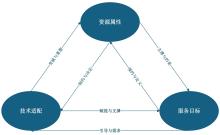
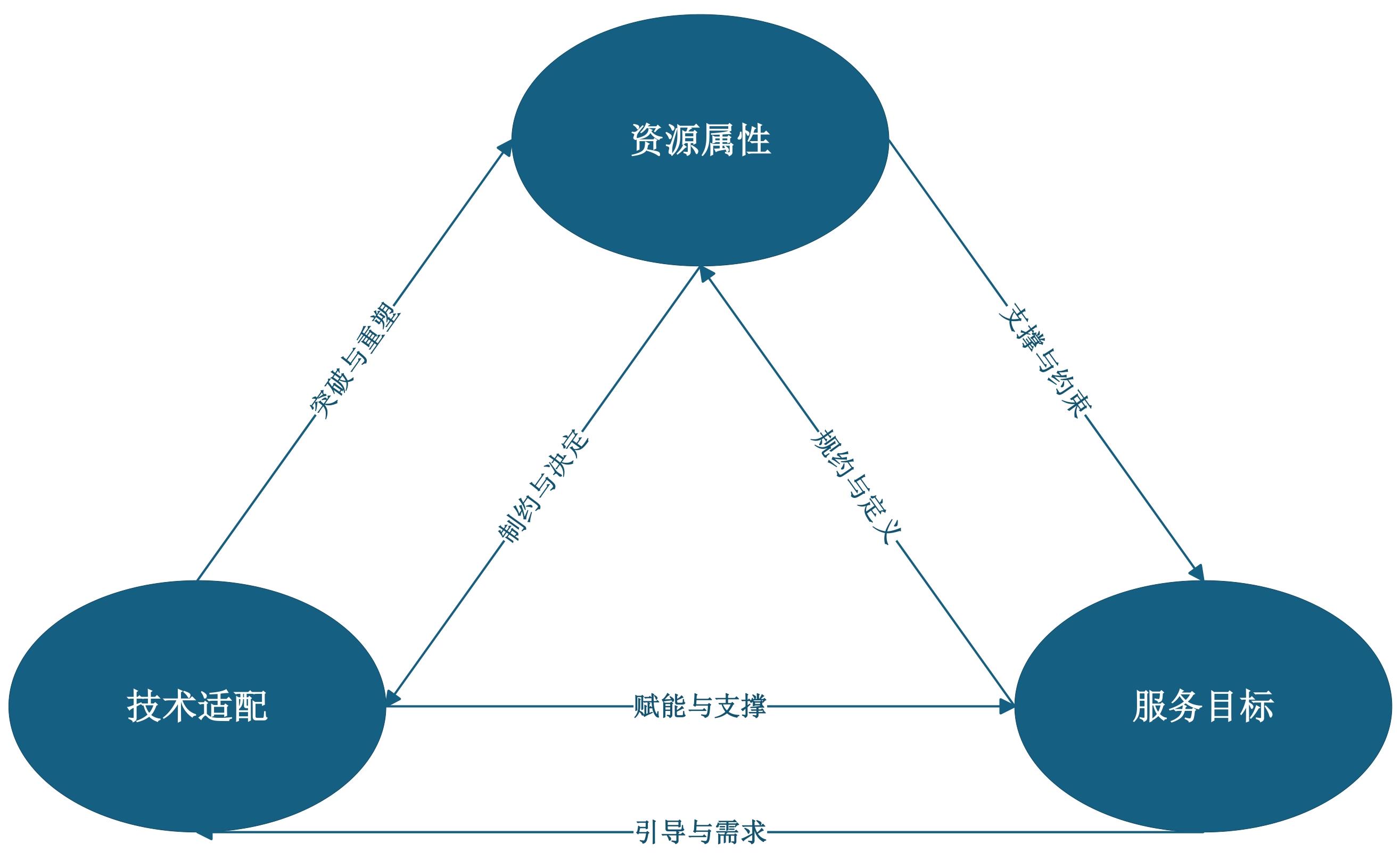
Fig.1

“Resource Attribute-Technology Adaptation-Service Objective” ternary interaction model"

Table 1

GLAM institutional resource attribute types correspond to data characteristics"

机构类型 资源属性类型 数据类型举例 数据结构特征 AIGC应用重点方向
图书馆 结构化数据、半结构化数据 图书目录、书目信息、元数据、借阅记录、读者标签 以MARC、Dublin Core等为基础的结构化或半结构化文本数据 智能问答系统、个性化推荐、文献摘要生成、知识图谱构建
档案馆 半结构化数据、非结构化数据 扫描档案、历史文件、声像档案、照片档案 文本多为半结构化/非结构化文档,部分为图像或音频格式 文档结构识别、OCR文字识别、语义抽取与信息回溯、档案自动分类
博物馆 非结构化数据、多模态数据 文物图像、三维模型、展品说明文本、视频讲解 多为图像、视频、语音与文本结合,存在大量非结构化和多模态资源 文物图像生成与修复、三维建模、虚拟导览讲解、AI展览策划
美术馆 非结构化数据、多模态数据 绘画图像、艺术家语录、展览评论、观众反馈 高比例为图像、音频、评论文本等非结构化/多模态数据 艺术图像生成(风格迁移)、AI艺评、沉浸式交互、创作辅助工具

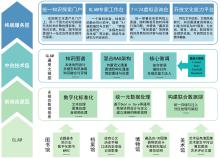
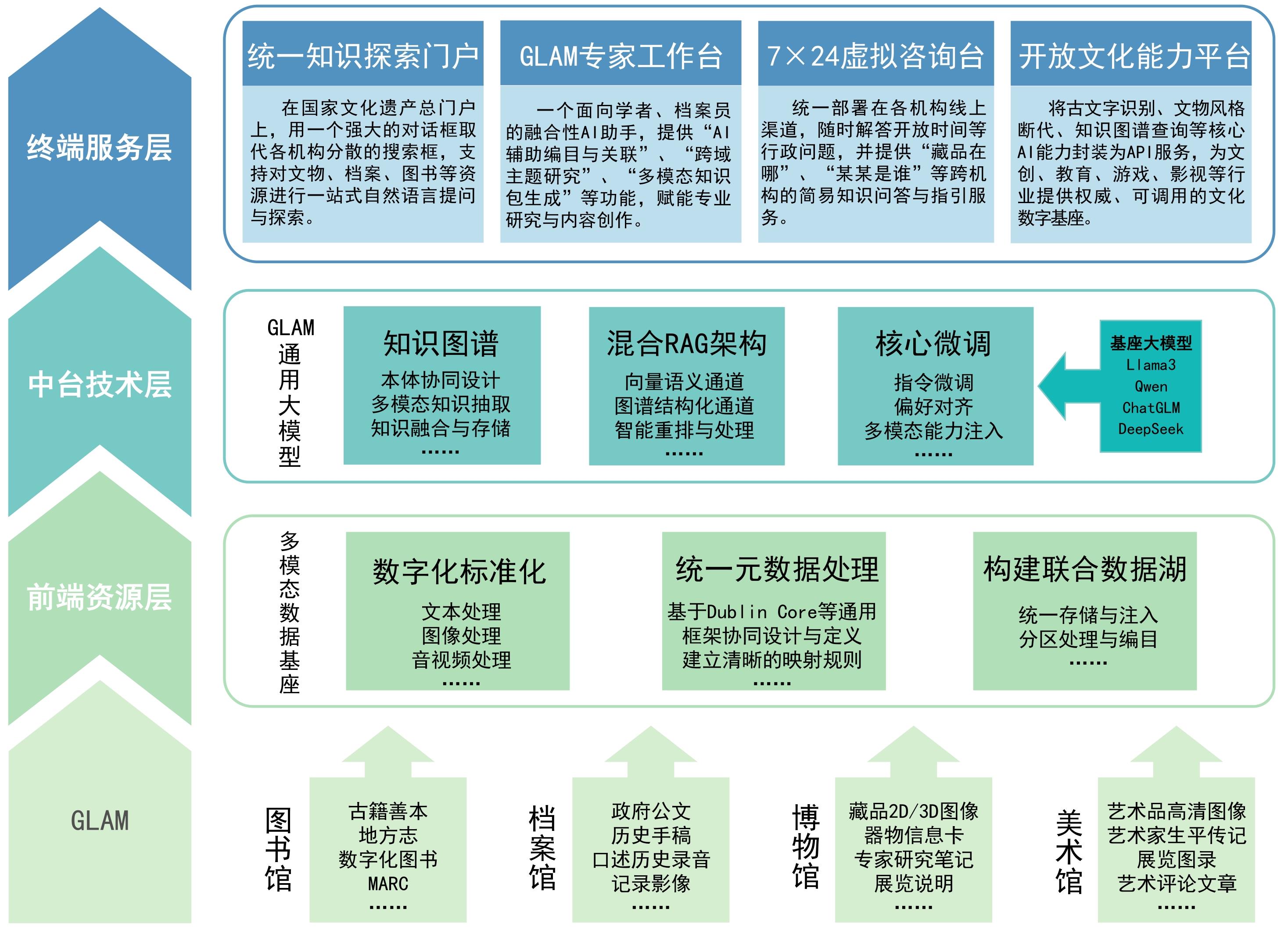
Fig. 2

A three-tier technical architecture of "Resource-Middle Platform-Service" for cross-agency knowledge services"

[1]
张春花. 数智时代档案文化研究[J]. 山西档案, 2025(4): 114-116.
ZHANG C H. Research on archives culture in the age of digital intelligence[J]. Shanxi archives, 2025(4): 114-116.
[2]
王诺, 毕学成, 许鑫. 先利其器: 元宇宙场景下的AIGC及其GLAM应用机遇[J]. 图书馆论坛, 2023, 43(2): 117-124.
WANG N, BI X C, XU X. AIGC in metaverse scenarios and its application in GIAM[J]. Library tribune, 2023, 43(2): 117-124.
[3]
吕瑞娟, 张静蓓, 严丹, 等. AIGC与GLAM创新发展综述: 基于“生成未来·AIGC与GLAM创新发展”前沿学术论坛[J]. 农业图书情报学报, 2023, 35(5): 27-36.
LV R J, ZHANG J B, YAN D, et al. Innovative development of AIGC and GLAM: Review of "shaping the future: AIGC and GLAM innovative development" cutting-edge academic forum[J]. Journal of library and information science in agriculture, 2023, 35(5): 27-36.
[4]
马乐存, 詹希旎, 朱齐宇, 等. AIGC驱动的GLAM数智融合创新发展研究[J]. 农业图书情报学报, 2023, 35(5): 4-15.
MA L C, ZHAN X N, ZHU Q Y, et al. Digital intelligence integration innovation development of GLAM driven by AIGC[J]. Journal of library and information science in agriculture, 2023, 35(5): 4-15.
[5]
韩茹雪, 饶梓欣, 许鑫. AIGC赋能的GLAM机构内容生产研究[J]. 图书情报工作, 2024, 68(22): 4-15.
HAN R X, RAO Z X, XU X. A study of content production in GLAM empowered by AIGC[J]. Library and information service, 2024, 68(22): 4-15.
[6]
丁遒劲, 苏静. 面向生成式人工智能(AIGC)的图书馆信息资源建设优化策略研究[J]. 图书情报工作, 2024, 68(18): 23-31.
DING Q J, SU J. Research on the optimization strategies for library information resources construction oriented to the development of AIGC[J]. Library and information service, 2024, 68(18): 23-31.
[7]
刘琼, 刘桂锋, 王鹏. AIGC赋能图书馆阅读推广智慧服务的框架和应用研究[J]. 图书馆学研究, 2024(2): 108-118, 107.
LIU Q, LIU G F, WANG P. Research on the intelligent service framework and application of reading promotion in AIGC empowered libraries[J]. Research on library science, 2024(2): 108-118, 107.
[8]
谢姣. AIGC驱动下图书馆未成年人服务应用研究[J]. 图书馆, 2025(4): 57-64.
XIE J. Research on the application of library services for minors driven by AIGC[J]. Library, 2025(4): 57-64.
[9]
马晓亭. AIGC在图书馆服务创新中的安全风险与治理策略研究[J]. 新世纪图书馆, 2024(12): 37-46.
MA X T. Research on security risks and governance strategies of artificial intelligence generated content (AIGC) in library service innovation[J]. New century library, 2024(12): 37-46.
[10]
吕游. AIGC技术在图书馆服务创新中的应用与展望[J]. 图书馆工作与研究, 2024(3): 67-72.
LV Y. Application and outlook of AIGC technology in library service innovation[J]. Library work and study, 2024(3): 67-72.
[11]
徐祥伍, 韩笑. AIGC+虚拟数字人: 人工智能时代档案馆数字服务新展望[J]. 档案, 2023(10): 9-14.
XU X W, HAN X. AIGC+Virtual digital human: New prospects for digital services in archives in the era of artificial intelligence[J]. Archives, 2023(10): 9-14.
[12]
徐千淇. 基于提示工程的档案文化遗产AIGC应用策略研究[J]. 山西档案, 2024(5): 149-151.
XU Q Q. Research on AIGC application strategy of archival cultural heritage based on hint project[J]. Shanxi archives, 2024(5): 149-151.
[13]
刘钟实, 周耀林. AIGC赋能的档案数字叙事模型研究[J]. 浙江档案, 2024(10): 18-22.
LIU Z S, ZHOU Y L. Research on AIGC empowered archive digital narrative model[J]. Zhejiang archives, 2024(10): 18-22.
[14]
刘召顺. AIGC背景下档案记忆观的伦理挑战与应对策略[J]. 山西档案, 2024(11): 116-118.
LIU Z S. Ethical challenges and countermeasures of archival memory view under the background of AIGC[J]. Shanxi archives, 2024(11): 116-118.
[15]
周莹, 沈悦. 生成式人工智能技术在博物馆叙事中的应用研究[J]. 包装工程, 2024, 45(20): 513-517.
ZHOU Y, SHEN Y. Application of generative artificial intelligence in museum narratives[J]. Packaging engineering, 2024, 45(20): 513-517.
[16]
王童瑶, 刘浩林. AIGC技术在博物馆智慧化展陈中的应用探析[J]. 产业创新研究, 2025(2): 100-102.
WANG T Y, LIU H L. Analysis on the application of AIGC technology in the intelligent exhibition of Chen Zhong museum[J]. Industrial innovation, 2025(2): 100-102.
[17]
刘健. 未来已来: 人工智能与博物馆数字化建设的思考[J]. 博物院, 2023(3): 14-23.
LIU J. The future has come: Reflection on artificial intelligence and digital construction of museums[J]. Museum, 2023(3): 14-23.
[18]
袁琳. AIGC技术在博物馆文创产品设计中的应用研究[J]. 鞋类工艺与设计, 2023, 3(19): 42-44.
YUAN L. The application research of aigc technology in museum creative product design[J]. Shoes technology and design, 2023, 3(19): 42-44.
[19]
RATTEN V. Art galleries usage of artificial intelligence[J]. International journal of sociology and social policy, 2024, 44(9/10): 826-839.
[20]
YU D, YAO W. Research on holographic display and technology application of art museum based on immersive design[J]. Journal of physics: Conference series, 2023, 2425(1): 012048.
[21]
YANG N. Study on the layout and function of the exhibition and function of contemporary art museums based on AIGC[C]//Proceedings of the 3rd International Conference on Art Design and Digital Technology, ADDT 2024. Luoyang, China: EAI, 2024.
[22]
蒋婷, 孙建军. 人文社科专题数据库深度语义化研究[J]. 信息资源管理学报, 2020, 10(5): 12-22.
JIANG T, SUN J J. Research on deep semantic processing in the thematic database of humanities and social sciences[J]. Journal of information resources management, 2020, 10(5): 12-22.
[23]
夏梓. 中国艺术博物馆对外国美术的展示与传播[D]. 武汉: 武汉理工大学, 2021.
XIA Z. The exhibition and dissemination of foreign art by Chinese art museums[D]. Wuhan: Wuhan University of Technology, 2021.
[24]
人工智能生成内容(AIGC)白皮书[EB/OL]. [2022-11-11].
White Paper on Artificial Intelligence Generated Content (AIGC)[EB/OL]. [2022-11-11].
[25]
卢兆麟, 宋新衡, 金昱成. AIGC技术趋势下智能设计的现状与发展[J]. 包装工程, 2023, 44(24): 18-33, 13.
LU Z L, SONG X H, JIN Y C. State of arts and development of intelligent design methods under the AIGC trend[J]. Packaging engineering, 2023, 44(24): 18-33, 13.
[26]
尚存, 高春庚, 薛莹, 等. 元宇宙赋能的数字博物馆建设: 应用与教育互动的创新探索[J]. 科学教育与博物馆, 2025, 11(3): 47-56.
SHANG C, GAO C G, XUE Y, et al. Metaverse-enabled digital museum construction: Innovative applications and educational interactions[J]. Science education and museums, 2025, 11(3): 47-56.
[27]
王铮, 胡一涵, 刘育菲. 培育新质知识生产力: 面向“十五五”时期生产力发展要求的图书馆知识生产职能展望[J]. 图书馆论坛, 2025, 45(4): 1-12.
WANG Z, HU Y H, LIU Y F. Fostering new knowledge productivity: Prospects for knowledge production function of libraries in response to requirements of productivity development in the 15th Five-Year Plan period[J]. Library tribune, 2025, 45(4): 1-12.
[28]
王华泾, 刘淑妮, 南锋霞. 通用型AI与推理型AI在档案馆的应用场景比较[J]. 浙江档案, 2025(8): 29-32, 63.
WANG H J, LIU S N, NAN F X. Analysis of general and reasoning artificial intelligence in application scenario architecture for archives[J]. Zhejiang archives, 2025(8): 29-32, 63.
[1] QIAO Jinhua, MA Xueyun. Risks and Regulations for Application of the LLaMA Model in University Future Learning Centers [J]. Journal of library and information science in agriculture, 2025, 37(2): 37-48.
[2] GUO Wenli. The Five Laws of Library Science in the AIGC Era: Contextual Integration and Boundary Expansion [J]. Journal of library and information science in agriculture, 2025, 37(10): 22-36.
[3] LUO Guofeng, YI Tong, YAN Zhouzhou. Critical Information Literacy Education in University Libraries from the Perspective of AIGC Application [J]. Journal of library and information science in agriculture, 2025, 37(1): 47-58.
[4] Xuemei LUO, Yuzhe LIN. Graduate Student Digital Literacy Promotion Pathway Driven by AIGC [J]. Journal of library and information science in agriculture, 2024, 36(9): 70-77.
[5] Liqin YAO, Hai ZHANG. Model Construction and Empirical Research on the Influencing Factors of AIGC User Dropout Behavior [J]. Journal of library and information science in agriculture, 2024, 36(5): 79-92.
[6] ZOU Yayi. ChatGPT Strengthens Library Intelligence Services: Opportunities, Challenges and Development Strategies [J]. Journal of library and information science in agriculture, 2024, 36(2): 71-80.
[7] Yijia WAN, Liping GU. Behavioral Motivation and Influencing Factors of Graduate Students Using AIGC Tool: An Empirical Analysis Based on Questionnaire Survey [J]. Journal of library and information science in agriculture, 2024, 36(10): 4-22.
[8] ZHANG Jianing, SONG Xigui. ChatGPT and the Its Impact on the Development Trends of the Library Field [J]. Journal of library and information science in agriculture, 2023, 35(8): 19-29.
[9] FU Rongxin, YANG Xiaohua. Analysis of AIGC Language Models and Application Scenarios in University Libraries [J]. Journal of library and information science in agriculture, 2023, 35(7): 27-38.
[10] LV Ruijuan, ZHANG Jingbei, YAN Dan, CAI Yingchun. Innovative Development of AIGC and GLAM: Review of "Shaping the Future: AIGC and GLAM Innovative Development" Cutting-Edge Academic Forum [J]. Journal of library and information science in agriculture, 2023, 35(5): 27-36.
[11] SHOU Jianqi. Towards Known Unknowns: GPT Large Language Models Empower Human-Centered Information Retrieval [J]. Journal of library and information science in agriculture, 2023, 35(5): 16-26.
[12] MA Lecun, ZHAN Xini, ZHU Qiyu, SUN Rong, LI Baiyang. Digital Intelligence Integration Innovation Development of GLAM Driven by AIGC [J]. Journal of library and information science in agriculture, 2023, 35(5): 4-15.
[13] LI Peng, SONG Xigui. AIGC Technology Enables Innovative Applications in Library Reading Promotion [J]. Journal of library and information science in agriculture, 2023, 35(12): 84-93.
[14] GUO Pengrui, WEN Tingxiao. Research of the Impact of LLMs on Information Retrieval Systems and Users' Information Retrieval Behavior [J]. Journal of library and information science in agriculture, 2023, 35(11): 13-22.
[15] LIU Qiong, ZHOU Yunfeng, SU Wencheng, LIU Guifeng. Standardized Management System for Reading Promotion under AIGC Technology Environment [J]. Journal of library and information science in agriculture, 2023, 35(10): 48-57.
Viewed
Full text


Abstract

Cited

  Shared   
  Discussed   
No Suggested Reading articles found!