中文    English

Journal of library and information science in agriculture


Research and Application of Evidence Recommendation Methods in Science and Technology Evidence-Based Policy Making

HE Ying1,3, SUN Wei1,2(), LI Zhoujing1,2, MA Xiaomin1,2   

  1. 1. Agricultural Information Institute of China Academy of Agricultural Sciences, Beijing 100081
    2. Key Laboratory of Agricultural Big Data, Ministry of Agriculture and Rural Affairs, Beijing 100081
    3. Research Institute for Data Management & Innovation, Nanjing University, Suzhou 215163
  • Received:2025-07-25 Online:2025-12-12
  • Contact: SUN Wei

Abstract:

Purpose/Significance The formulation of evidence-based science and technology policy critically relies on the timely and accurate provision of relevant, high-quality evidence. However, current evidence recommendation practices often suffer from significant limitations in both accuracy and efficiency, hindering the scientific rigor and intelligent application of evidence within the policy-making process. These shortcomings hinder policymakers' ability to leverage the most pertinent research and data, potentially leading to suboptimal decisions. Addressing this critical gap, this research proposes a novel knowledge graph-based evidence recommendation method. The primary objective is to substantially enhance the scientific foundation and intelligent capabilities of evidence utilization during policy formulation. This method aims to empower policymakers by providing more reliable, contextually relevant, and efficiently retrieved data support. Ultimately this will foster more robust, transparent, and demonstrably effective science and technology policies grounded in comprehensive research insights. Method/Process To achieve these objectives, this study systematically constructs a domain-specific knowledge graph meticulously centered on the intricate citation relationships between policy documents and academic research papers. This graph serves as the foundational semantic network representing entities (policies, articles, topics, authors, institute etc.) and their multifaceted interconnections. Most importantly, we introduce and adapt the Knowledge Graph Attention Network (KGAT) algorithm n an innovative way. Leveraging KGAT's sophisticated graph attention mechanisms, our model effectively captures and learns complex, high-order semantic relationships between policy requirements (represented as queries or specific nodes) and potential evidence sources (research paper nodes). This deep relational understanding enables nuanced evidence relevance scoring and personalized recommendation. To rigorously validate the proposed method's practical efficacy and performance, we conducted an extensive empirical study within the specific domain of agricultural science and technology policy. Furthermore, to demonstrate real-world applicability and provide a tangible tool for policymakers, we designed and implemented a fully functional Evidence Intelligent Recommendation System (EIRS). This system seamlessly integrates the core KG-based recommendation engine and incorporates advanced intelligent analysis capabilities. Significantly, EIRS supports an end-to-end workflow initiated by natural language policy questions posed by users, enabling intuitive interaction and precise, demand-driven evidence retrieval and recommendation. [Results/ Conclusions Experimental results, conducted on real-world datasets within the agricultural science and technology policy domain, demonstrate the superior performance of the proposed KGAT-based recommendation method. It consistently outperforms several state-of-the-art baseline algorithms across multiple key evaluation metrics, including precision, recall, normalized discounted cumulative gain (NDCG), and mean reciprocal rank (MRR). This quantitatively confirms its significantly stronger recommendation capability. In addition to quantitative metrics, the model inherently offers enhanced explainability due to the transparent nature of the knowledge graph structure and the attention weights learned by KGAT, allowing for insights into why specific evidence is recommended, based on its semantic connections to the policy query. Concurrently, the implemented EIRS has proven to be highly effective in practice. It efficiently identifies and recommends evidence resources exhibiting a strong match with complex policy requirements expressed in natural language. The system's successful deployment underscores its potential to tangibly augment the scientific underpinning of science and technology policy development. By effectively bridging the gap between vast research knowledge and specific policy needs through intelligent, accurate, and explainable recommendations, this research provides a novel, practical pathway towards realizing truly intelligent and rigorously evidence-based policy formulation processes. The methodology and system prototype offer a valuable and adaptable framework for various policy domains beyond the presented case study.

Key words: evidence-based policy, knowledge graph, evidence recommendation

CLC Number: 

  • G301

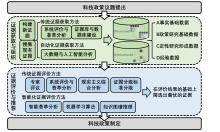
Fig.1

Practical path of evidence-based policy making in science and technology"

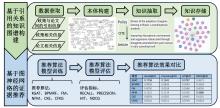
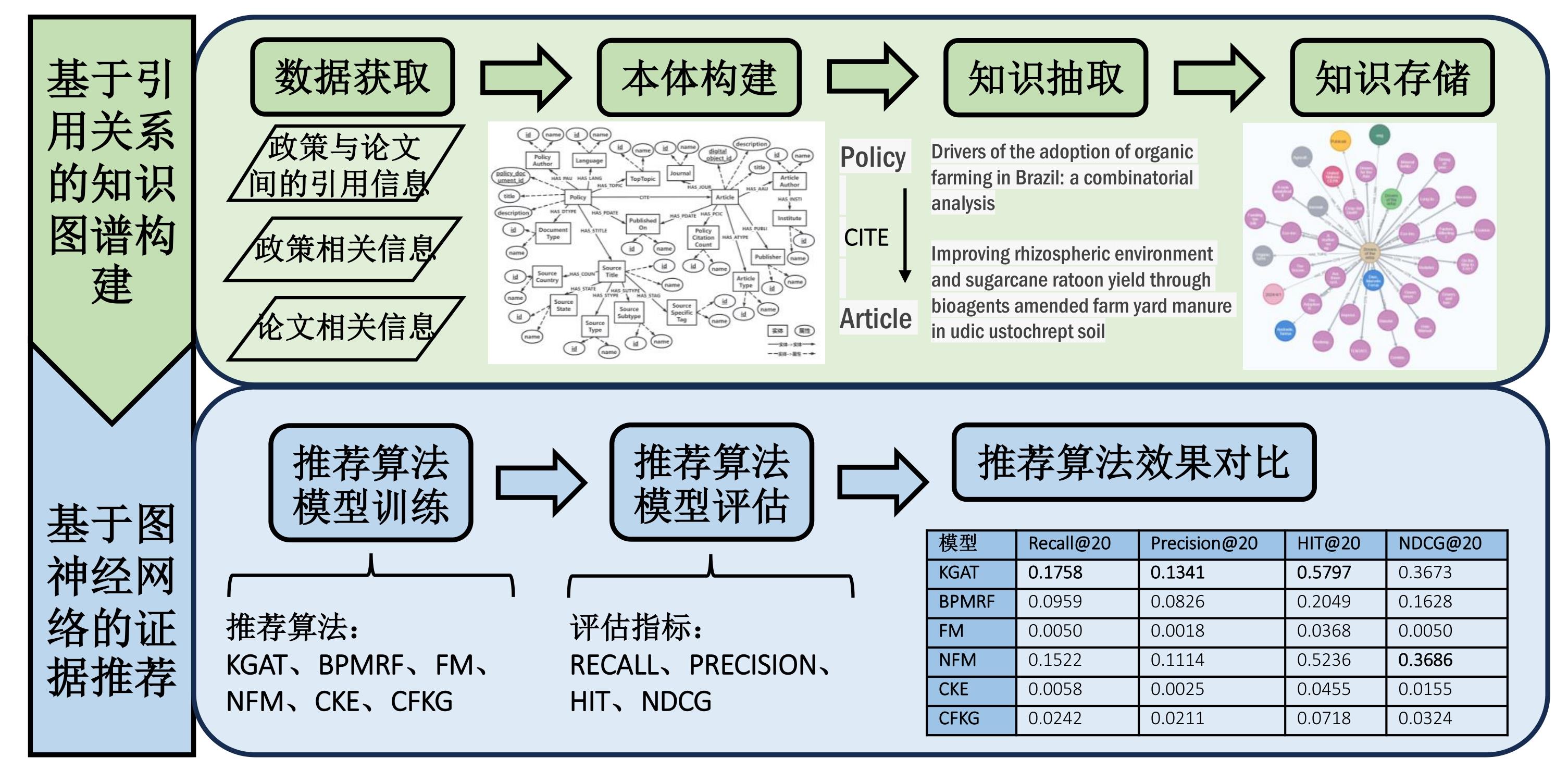
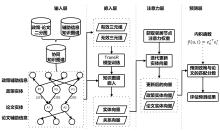
Fig.2

Model framework diagram"

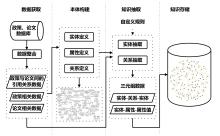
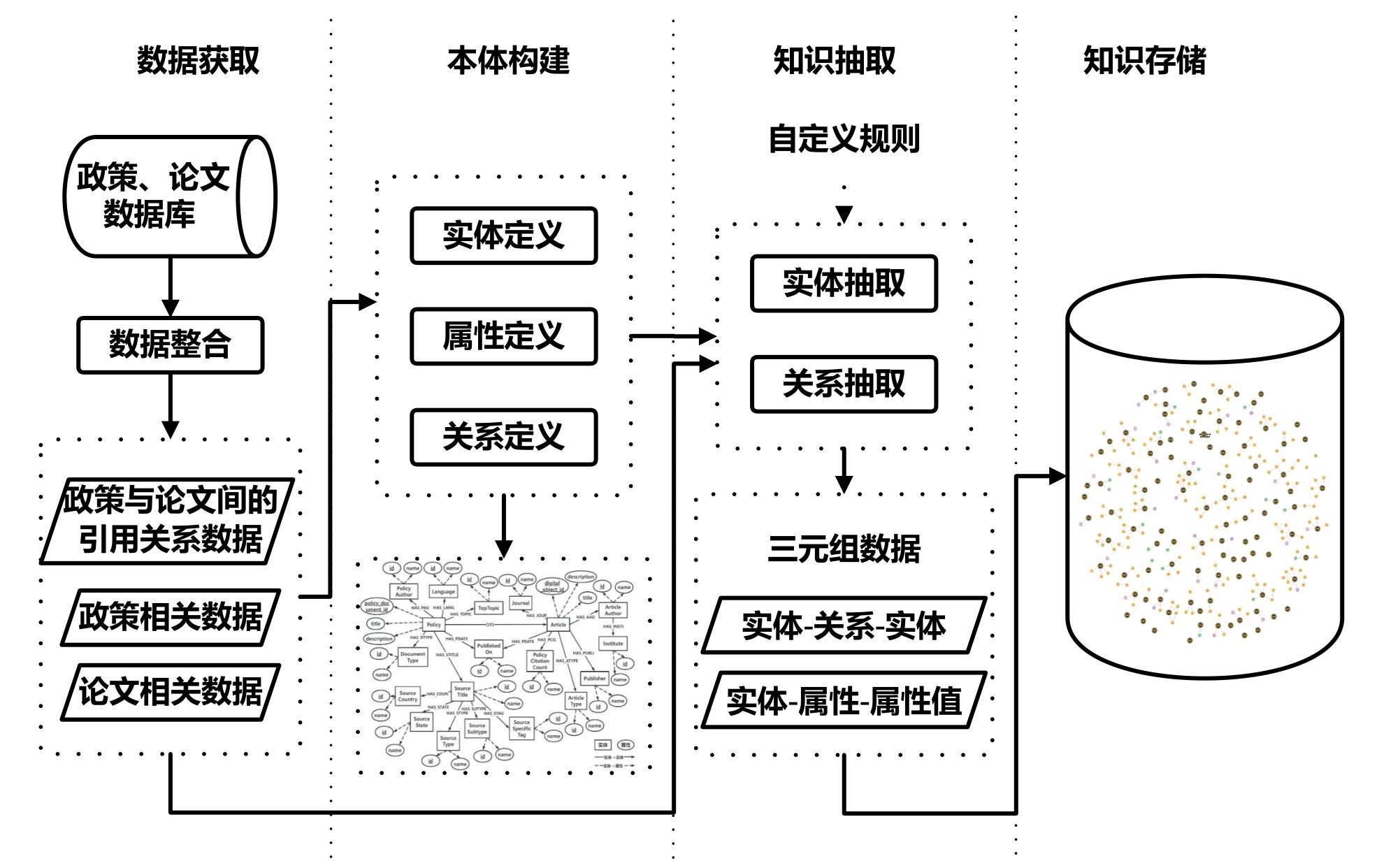
Fig.3

Knowledge graph construction process based on citation relationships"

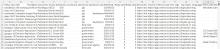
Table 1

Policy data required fields"

字段名称 描述
Policy_document_id 政策文档的唯一标识符,用于在数据库或系统中索引该文档
Title 政策文件的标题,概括其内容或研究重点
Document type 文档类型,如“Publication”(出版物)“Working paper”(工作论文)等
Source title 文档的发布来源,如OECD、World Bank、APEC等
Source country 该政策文件的发布国家或地区信息
Source state 该文档所属的具体区域
Source type 该文档的来源类型,如“IGO”(国际政府组织)
Source subtype 该文档的来源子类型,如“development bank”(开发银行)
Published on 该文档的发布时间,格式通常为YYYY/MM/DD
Source specific tags 文档来源的特定标签,用于分类或检索
Top topics 该政策文件涉及的主要研究领域,如农业、精确农业、创新等
Languages 该文档的语言,如“eng”(英语)
Policy authors 该政策文件的作者列表
Description 该政策文件的摘要或描述,概述其主要内容、目标和结论

Table 2

Article data required fields"

字段名称 描述
Title 文章标题,描述研究的主题和内容
DOI 文章的数字对象唯一标识符(Digital Object Identifier),用于在学术数据库中唯一标记和引用该论文
Journal 发表该文章的学术期刊名称
Published on 文章的发布日期,格式通常为YYYY/MM/DD
Policy citation count 文章在政策文件中的引用次数,表示其在政策研究或政府决策中的影响
Type 文章类型,例如“journal-article”表示期刊文章
Publisher 发表该文章的出版社名称,如Wiley或Frontiers Media
Authors 文章作者名单,可能包含作者的单位信息
ORCIDs 作者的ORCID(开放研究员和贡献者ID),用于唯一标识研究人员
Abstract 文章摘要,简要描述研究的内容、方法和结论

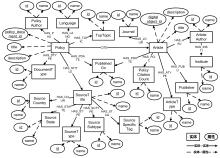
Fig.4

Entity relationship diagram"

Fig.5

GNN-based evidence recommendation process"

Table 3

Parameter settings"

项目 参数
运行环境 Windows 10 64位
处理器 AMD Ryzen75800X8-CorePro
GPU NVIDIA GeFore RTX3090
运行内存 64G
编程环境 Pycharm Professional 2020.1.5
编程软件 Python 3.7
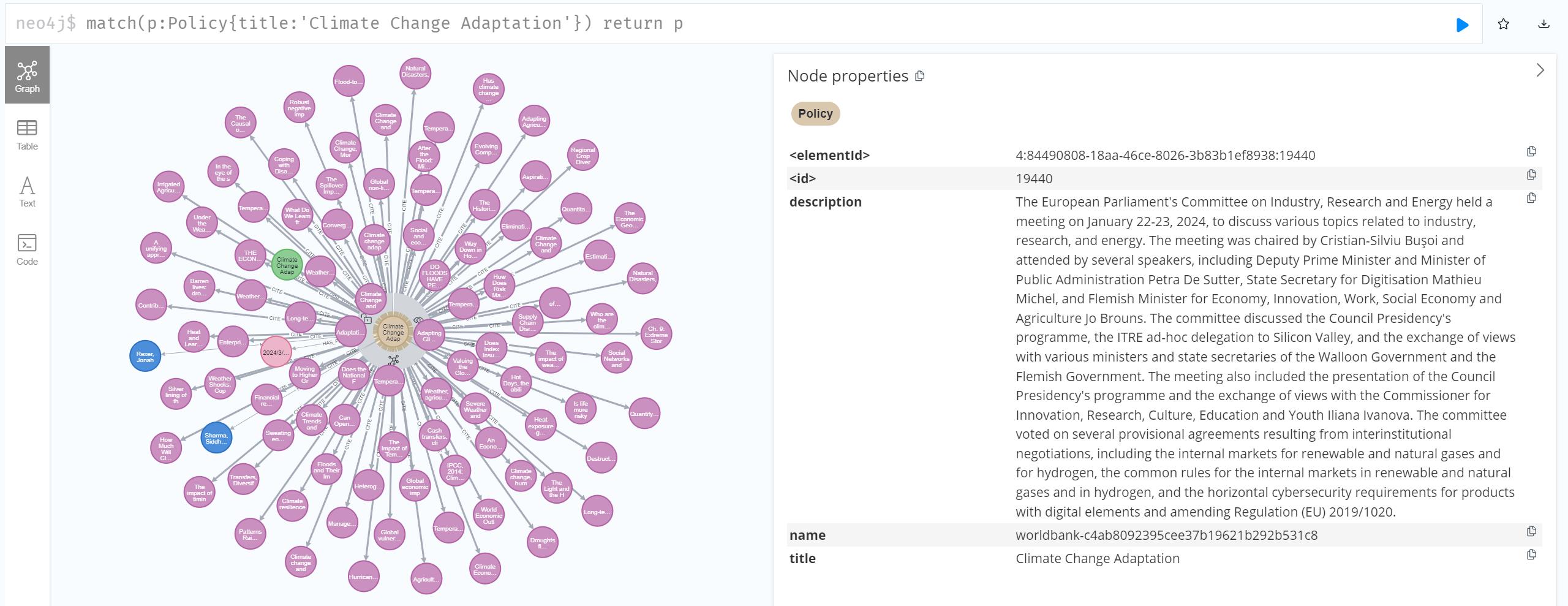
数据库 Neo4j 5.17.0

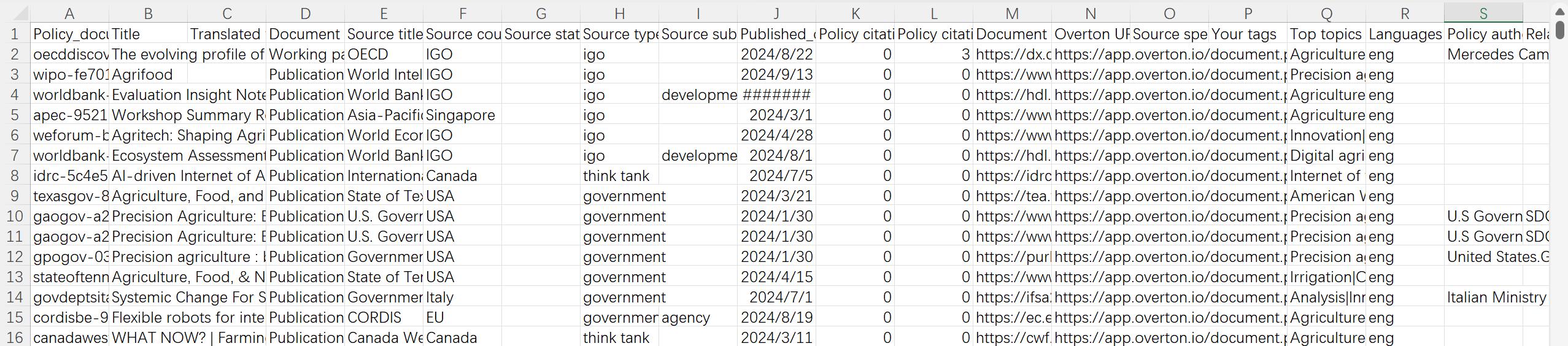
Fig.6

Policy list contents"

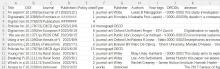
Fig.7

Article list contents with summary"

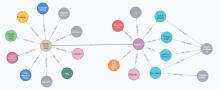
Fig.8

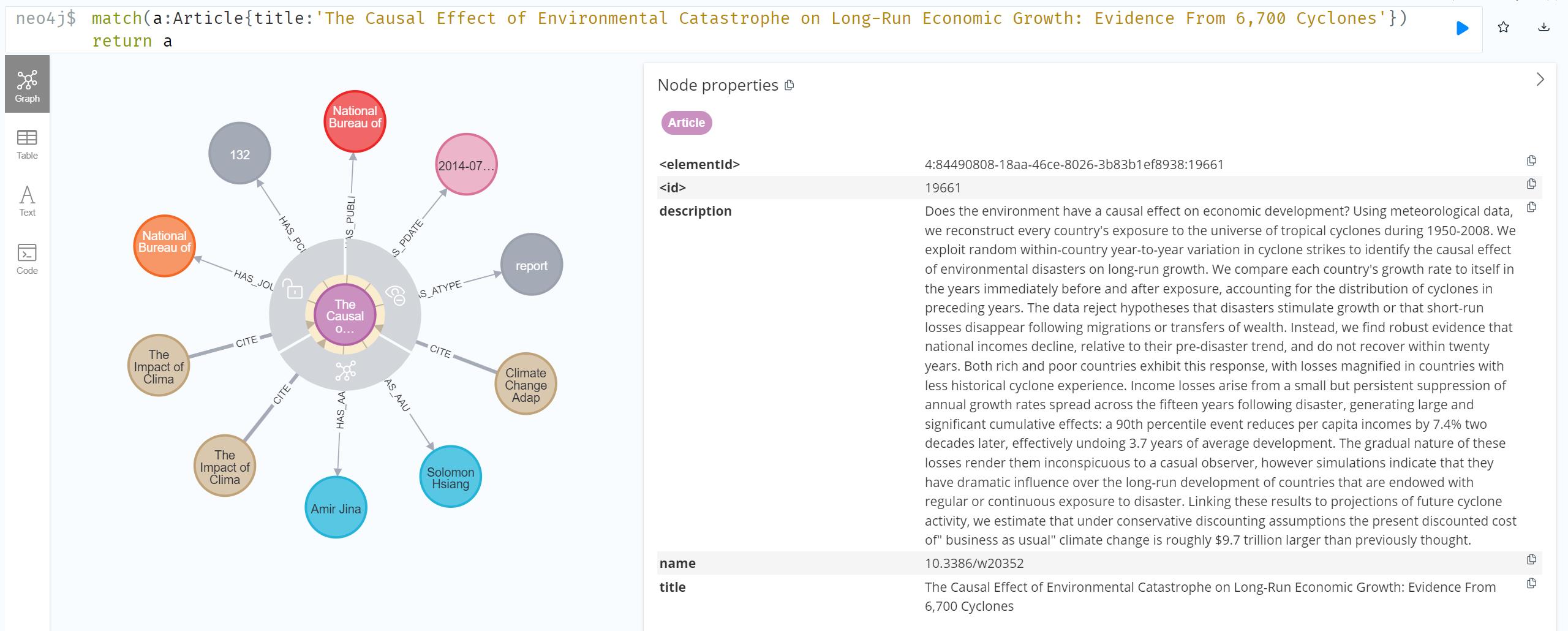
Neo4j database storage illustration"

Table 4

Parameter settings"

参数名称 参数值
嵌入维度大小 64
批处理大小 512
学习率 0.001
L2归一化系数 10-5
dropout rate 0.1
隐藏层数量 3
隐藏层维度 [64,32,16]
交互聚合器类型 双向

Table 5

Effect comparison"

模型 Recall@20 Precision@20 HIT@20 NDCG@20
KGAT 0.175 8 0.134 1 0.579 7 0.367 3
BPMRF 0.095 9 0.082 6 0.204 9 0.162 8
FM 0.005 0 0.001 8 0.036 8 0.005 0
NFM 0.152 2 0.111 4 0.523 6 0.368 6
CKE 0.005 8 0.002 5 0.045 5 0.015 5
CFKG 0.024 2 0.021 1 0.071 8 0.032 4

Fig.9

Process design diagram"

Fig.10

System implementation interface"

Fig.11

Policy node specific information"

Fig.12

Evidence node specific information"

[1]
HEAD B W. Reconsidering evidence-based policy: Key issues and challenges[J]. Policy and society, 2010, 29(2): 77-94.
[2]
杨开峰, 魏夏楠. 政府循证决策: 美国联邦政府的实践及启示[J]. 经济社会体制比较, 2021(3): 139-149.
YANG K F, WEI X N. Evidence-based policy making in government: The practice and implications of the U.S. federal government[J]. Comparative economic & social systems, 2021(3): 139-149.
[3]
武楷彪, 王溯, 朱相丽, 等. 日本支撑循证决策的科技情报数据资源建设与应用[J]. 图书情报工作, 2021, 65(22): 126-133.
WU K B, WANG S, ZHU X L, et al. Construction and application of S & T intelligence data resources supporting evidence-based policymaking in Japan[J]. Library and information service, 2021, 65(22): 126-133.
[4]
李晓轩, 杨可佳, 杨柳春. 基于证据的政策制定: 英国的实践与启示[J]. 中国科学院院刊, 2013, 28(6): 740-749.
LI X X, YANG K J, YANG L C. Evidence-based policy making: The practice and enlightenment from the UK[J]. Bulletin of Chinese academy of sciences, 2013, 28(6): 740-749.
[5]
何莹, 孙巍, 马晓敏. 科技循证政策制定实践路径探索[J]. 图书情报工作, 2025, 69(2): 121-129.
HE Y, SUN W, MA X M. Exploring practical path of evidence-based policy making in science and technology[J]. Library and information service, 2025, 69(2): 121-129.
[6]
STRYDOM W F, FUNKE N, NIENABER S, et al. Evidence-based policymaking: A review[J]. South African journal of science, 2010, 106(5/6): 17-24.
[7]
张继亮. 循证政策: 政策证据的类型、整合与嵌入[J]. 社会科学, 2019(11): 39-47.
ZHANG J L. Evidence-based policy: The types, integration and embeddedness of policy evidence[J]. Journal of social sciences, 2019(11): 39-47.
[8]
姚清晨, 张颖. 基于循证理念的公共政策制定研究[J]. 四川行政学院学报, 2018(4): 27-32.
YAO Q C, ZHANG Y. Research on public policy making based on evidence-based concept[J]. Journal of Sichuan administration college, 2018(4): 27-32.
[9]
杨代福, 程曦. 基于证据的政策制定: 理论逻辑与制度框架[J]. 渭南师范学院学报, 2021, 36(1): 51-59.
YANG D F, CHENG X. Evidence-based policy making: Theoretical logic and institutional framework[J]. Journal of Weinan normal university, 2021, 36(1): 51-59.
[10]
DAVIES P. What is evidence-based education?[J]. British journal of educational studies, 1999, 47(2): 108-121.
[11]
LEVIN A. The cochrane collaboration[J]. Annals of internal medicine, 2001, 135(4): 309-312.
[12]
SCHUERMAN J, SOYDAN H, MACDONALD G, et al. The Campbell collaboration[J]. Research on social work practice, 2002, 12(2): 309-317.
[13]
郁俊莉, 姚清晨. 从数据到证据: 大数据时代政府循证决策机制构建研究[J]. 中国行政管理, 2020(4): 81-87.
YU J L, YAO Q C. From data to evidence: Research on the construction of evidence-based policy-making mechanism in the era of big data[J]. Chinese public administration, 2020(4): 81-87.
[14]
MOHER D, OLKIN I. Meta-analysis of randomized controlled trials. A concern for standards[J]. JAMA, 1995, 274(24): 1962-1964.
[15]
CARTWRIGHT N, HARDIE J. Evidence-based policy: A practical guide to doing it better[M]. New York, NY: Oxford University Press, 2012.
[16]
PAWSON R. Evidence-based policy: The promise of "realist synthesis"[J]. Evaluation, 2002, 8(3): 340-358.
[17]
BACHE I. Evidence, Policy and wellbeing[M]. Cham: Palgrave Macmillan, 2020.
[18]
田晨, 晏毅龙, 王勇, 等. 证据智能合成与分级: AutoMeta平台开发与验证[J]. 中国循证医学杂志, 2024, 24(4): 459-465.
TIAN C, YAN Y L, WANG Y, et al. Evidence intelligent synthesis and grading: Development and validation of AutoMeta[J]. Chinese journal of evidence-based medicine, 2024, 24(4): 459-465.
[19]
AFZAL M, HUSSAIN M, HAYNES R B, et al. Context-aware grading of quality evidences for evidence-based decision-making[J]. Health informatics journal, 2019, 25(2): 429-445.
[20]
任超, 杨孟辉, 杨冠灿, 等. 基于知识图谱的循证政策中科学证据推荐研究: 以新冠肺炎疫情防控政策为例[J]. 图书情报工作, 2023, 67(2): 108-118.
REN C, YANG M H, YANG G C, et al. A research on the recommendation of scientific evidence in evidence-based policy based on knowledge graph: An example of the policies fighting on COVID-19[J]. Library and information service, 2023, 67(2): 108-118.
[21]
WANG X, HE X, CAO Y, et al. KGAT: Knowledge graph attention network for recommendation[C]// In Proceedings of the 25th ACM SIGKDD International Conference on Knowledge Discovery & Data Mining. New York, NY, USA: ACM, 2019: 950-958.
[22]
RENDLE S, GANTNER Z, FREUDENTHALER C, et al. Fast context-aware recommendations with factorization machines[C]//Proceedings of the 34th International ACM SIGIR Conference on Research and Development in Information Retrieval. Beijing, China: ACM, 2011: 635-644.
[23]
HE X N, CHUA T S. Neural factorization machines for sparse predictive analytics[C]//Proceedings of the 40th International ACM SIGIR Conference on Research and Development in Information Retrieval. Shinjuku Tokyo Japan: ACM, 2017: 355-364.
[24]
ZHANG F Z, YUAN N J, LIAN D F, et al. Collaborative knowledge base embedding for recommender systems[C]//Proceedings of the 22nd ACM SIGKDD International Conference on Knowledge Discovery and Data Mining.San Francisco, California, USA: ACM, 2016: 353-362.
[25]
AI Q Y, AZIZI V, CHEN X, et al. Learning heterogeneous knowledge base embeddings for explainable recommendation[J]. Algorithms, 2018, 11(9): 137.
[1] YANG Guancan, ZHANG Zihe. Construction of a Dynamic Perception System for Talent Supply-Demand Matching: Theoretical Framework and Implementation Path [J]. Journal of library and information science in agriculture, 2025, 37(9): 4-17.
[2] YANG Xuejie, LIU Jia, WU Qingxiao, WANG Yufei, GU Dongxiao. Big Data Dynamic Aggregation and Intelligent Service Model for Multimodal Healthcare and Eldercare [J]. Journal of library and information science in agriculture, 2025, 37(4): 24-38.
[3] SHI Zhongyan, LEI Jie, SUN Tan, ZHAO Ruixue, LI Jiao, HUANG Yongwen, XIAN Guojian. Research on DeepSeek-Empowered Low-Cost Construction of Domain-Specific Knowledge Graphs [J]. Journal of library and information science in agriculture, 2025, 37(3): 4-17.
[4] FAN Kexin, XIAN Guojian, ZHAO Ruixue, HUANG Yongwen, SUN Tan. Ontology Construction for Intelligent Control and Application of Crop Germplasm Resources [J]. Journal of library and information science in agriculture, 2024, 36(3): 92-107.
[5] ZHANG Liman, WU Yueting, CHENG Wenjing, LIU Tianyi, SUN Xinxin. Public Opinion Risk Early Warning Model on Government-Citizen Interaction Data: A Perspective on Evidence-based Decision Making [J]. Journal of library and information science in agriculture, 2024, 36(12): 89-103.
[6] CHEN Caiming, FENG Jianzhong, BAI Linyan, WANG Jian, XIE Nengfu, ZOU Jun. Representation Model of Agricultural Knowledge Graph Based on the HARP Framework [J]. Journal of library and information science in agriculture, 2023, 35(8): 66-77.
[7] FAN KeXin, SUN Tan, ZHAO RuiXue, KOU YuanTao, XIAN GuoJian. Comparison and Enlightenment of Crop Germplasm Resource Knowledge Service Platforms [J]. Journal of library and information science in agriculture, 2023, 35(5): 64-73.
[8] MA Weilu, XIAN Guojian, ZHAO Ruixue, LI Jiao, HUANG Yongwen, SUN Tan. Comparative Study and Optimization Strategies of Knowledge Graph Construction Management Systems [J]. Journal of library and information science in agriculture, 2023, 35(4): 19-31.
[9] CHANG ZhiJun, XU LiYuan, YU QianQian, ZHANG JianYong, WANG YongJi. Scientific and Technical Literature Data Management System Based on Life Cycle Model [J]. Journal of library and information science in agriculture, 2022, 34(6): 36-49.
[10] YANG Siluo, TIAN Peilin, ZHU Chuanyu, QIU Junping. Characteristics of UNESCO's Humanities and Social Sciences Research: Topic, Evolution and Cooperation [J]. Journal of library and information science in agriculture, 2021, 33(6): 6-17.
[11] XU Yongle, CHEN Yuanyuan, YANG Tingting, WAN Xiangli. Comparative Analysis of the Research on the Influence of Chinese and International Think Tanks [J]. Journal of library and information science in agriculture, 2021, 33(11): 50-62.
[12] LYU Lucheng, HAN Tao. Artificial Intelligence Empowers Library and Information Service ——Review of Forums about Information Technology for Library 2019 [J]. Journal of library and information science in agriculture, 2020, 32(5): 13-18.
[13] ZHANG Tao, SUN Ruiying, LI Zhongjun. Subject Clustering and Evolutionary Trend of Public Opinion Documents in China [J]. Journal of library and information science in agriculture, 2020, 32(2): 14-21.
[14] LI Zhongjun, SUN Ruiying, ZHANG Tao. Analysis of the Research Status of Public Opinion Ecology in China Based on Bibliometrics (2004-2019) [J]. Journal of library and information science in agriculture, 2020, 32(2): 5-13.
[15] CHEN Qingyun, CAO Jianfei, CHEN Rongzhen. Research and Practices From the Thesaurus to Knowledge Graph [J]. Journal of library and information science in agriculture, 2019, 31(1): 44-53.
Viewed
Full text


Abstract

Cited

  Shared   
  Discussed   
No Suggested Reading articles found!