

• •
陈熙颖, 唐琼( )
)
收稿日期:2026-06-15
出版日期:2026-09-05
通讯作者:
唐琼
作者简介:陈熙颖(2003- ),女,硕士研究生,研究方向为数据开放、信息政策
基金资助:
CHEN Xiying, TANG Qiong()
Received:2026-06-15
Online:2026-09-05
Contact:
TANG Qiong
摘要:
【目的/意义】 公共数据资源作为国家基础性战略资源,其开发利用可以释放数据要素潜能,在推动国家治理现代化和社会经济快速发展中发挥着重要的驱动作用。系统评估中国省级公共数据资源开发利用政策,有助于揭示政策设计的优势与不足,为政策制定者优化政策提供科学依据。 【方法/过程】 利用ROST CM6.0对66份政策进行内容挖掘,结合高频词分析和重点内容梳理,构建了包含9个一级变量和52个二级变量的省级公共数据资源开发利用政策评价体系。依据国家七大地理行政区域划分选出14份政策样本,基于PMC指数模型对样本进行量化评价,并开展区域间对比分析。 【结果/结论】 从整体上看,中国省级公共数据资源开发利用政策表现良好,3项政策等级为优秀,5项政策为良好,6项政策为合格,根据政策得分和评级情况划分为示范引领型、优化发展型、潜力成长型3类。不同省份政府数据开放水平与政策制定没有绝对相关性,政策制定与具体实践间存在一定的时间差和着力点差异。从区域来看,华东地区评价水平最高,东北地区和西南地区评价水平偏低,需要在政策性质、政策内容、政策对象、激励保障措施等方面进行改进。
中图分类号: G203
陈熙颖, 唐琼. 省级公共数据资源开发利用政策评价研究——基于PMC指数模型视角[J/OL]. 农业图书情报学报. https://doi.org/10.13998/j.cnki.issn1002-1248.26-0412.
CHEN Xiying, TANG Qiong. Evaluation of Provincial Public Data Resource Development and Utilization Policies: From the Perspective of the PMC Index Model[J/OL]. Journal of library and information science in agriculture. https://doi.org/10.13998/j.cnki.issn1002-1248.26-0412.
表1
省级政府公共数据资源开发利用政策目录"
| 编号 | 标题 | 制定机关 | 发布日期 |
|---|---|---|---|
| 1 | 《浙江省公共数据条例》 | 浙江省人大(含常委会) | 2025.12.04(修正版) |
| 2 | 《浙江省公共数据开放与安全管理暂行办法》 | 浙江省人民政府 | 2020.06.12 |
| … | … | … | … |
| 66 | 《广西公共数据分级分类指南(试行)》 | 广西壮族自治区数字广西建设领导小组办公室(代) | 2020.07.29 |
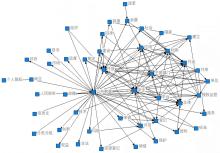
图1
政策高频词社会网络图谱"
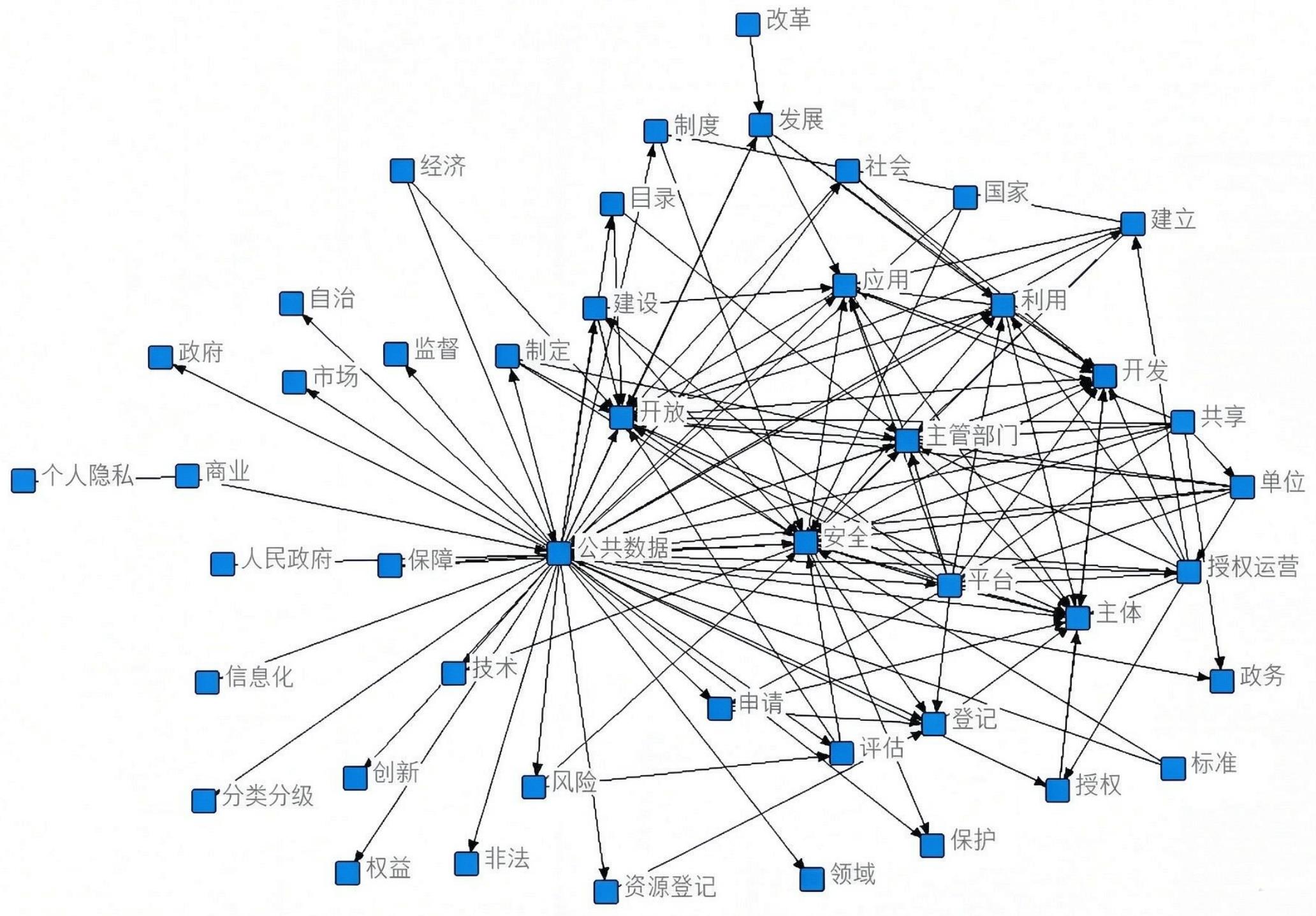
表2
省级政府公共数据资源开发利用政策PMC评价指标体系"
| 一级变量 | 二级变量 | 变量依据 |
|---|---|---|
| X1政策性质 | X1∶1预测、X1∶2支持、X1∶3监督、X1∶4描述、X1∶5建议 | [ |
| X2政策时效 | X2∶1长期、X2∶2中期、X2∶3短期 | [ |
| X3政策领域 | X3∶1政治、X3∶2经济、X3∶3科技、X3∶4文化、X3∶5法律、X3∶6社会 | [ |
| X4政策内容 | X4∶1数据采集、X4∶2数据资源登记、X4∶3数据资产管理、X4∶4数据开放共享、X4∶5数据授权运营、X4∶6数据开发利用、X4∶7数据场景应用、X4∶8数据交易流通、X4∶9数据质量控制、X4∶10数据安全与隐私保护 | 参考高频词总结归纳 |
| X5政策对象 | X5∶1政府、X5∶2企业、X5∶3高校、X5∶4科研机构、X5∶5相关人才 | [ |
| X6政策目标 | X6∶1加强政府治理、X6∶2优化市场配置、X6∶3加快数据要素流通、X6∶4保障数据安全与合法权益、X6∶5提升公共服务水平 | 高频词总结归纳 |
| X7激励与保障 | X7∶1技术供给、X7∶2资金投入、X7∶3人才支持、X7∶4金融税收、X7∶5政府采购、X7∶6监督管理、X7∶7平台建设、X7∶8交流合作、X7∶9引入社会资本、X7∶10试点建设、X7∶11宣传推广 | [ |
| X8政策评价 | X8∶1依据充分、X8∶2目标明确、X8∶3实施方案具体 | [ |
| X9政策效力 | X9∶1地方性法规、X9∶2地方政府规章、X9∶3地方规范性文件、X9∶4地方工作文件 | [ |
表3
公共数据资源开发利用政策样本"
| 政策编号 | 政策名称 | 制定机关 | 颁布时间/年 |
|---|---|---|---|
| P1 | 《黑龙江省公共数据资源登记实施细则(试行)》 | 黑龙江省数据局 | 2025 |
| P2 | 《吉林省公共数据和一网通办管理办法(试行)》 | 吉林省人民政府 | 2019 |
| P3 | 《加快北京市公共数据资源开发利用的实施意见》 | 中共北京市委员会、北京市人民政府 | 2025 |
| P4 | 《山西省公共数据资源授权运营管理办法(试行)》 | 山西省人民政府 | 2025 |
| P5 | 《江苏省公共数据管理办法》 | 江苏省人民政府 | 2021 |
| P6 | 《浙江省公共数据条例》 | 浙江省人大(含常委会) | 2025 |
| P7 | 《加快湖南省公共数据资源开发利用的实施意见》 | 湖南省人民政府 | 2025 |
| P8 | 《河南省公共数据资源授权运营实施办法(试行)》 | 河南省人民政府 | 2025 |
| P9 | 《广东省公共数据管理办法》 | 广东省人民政府 | 2021 |
| P10 | 《广西公共数据开放管理办法》 | 广西壮族自治区大数据发展局 | 2020 |
| P11 | 《宁夏回族自治区公共数据管理办法(试行)》 | 宁夏回族自治区发展和改革委员会 | 2025 |
| P12 | 《甘肃省加快公共数据资源开发利用实施方案》 | 甘肃省人民政府 | 2024 |
| P13 | 《云南省公共数据管理办法(试行)》 | 云南省人民政府 | 2023 |
| P14 | 《西藏自治区公共数据管理办法(试行)》 | 西藏自治区人民政府 | 2024 |
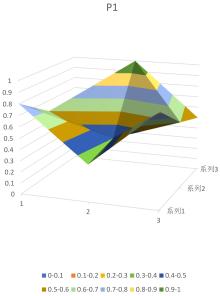
图2
政策P1的曲面图"
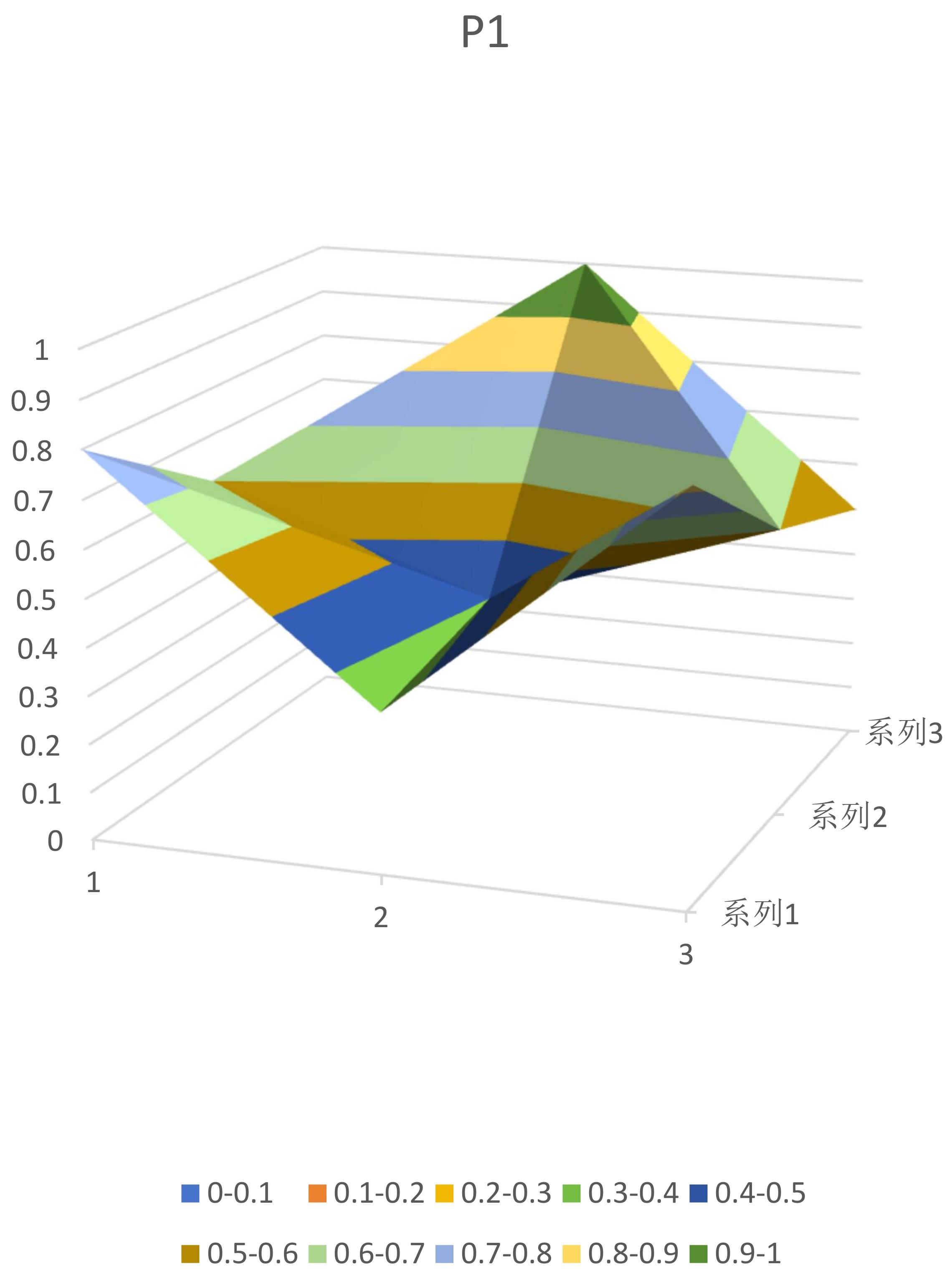
图3
政策P5的曲面图"
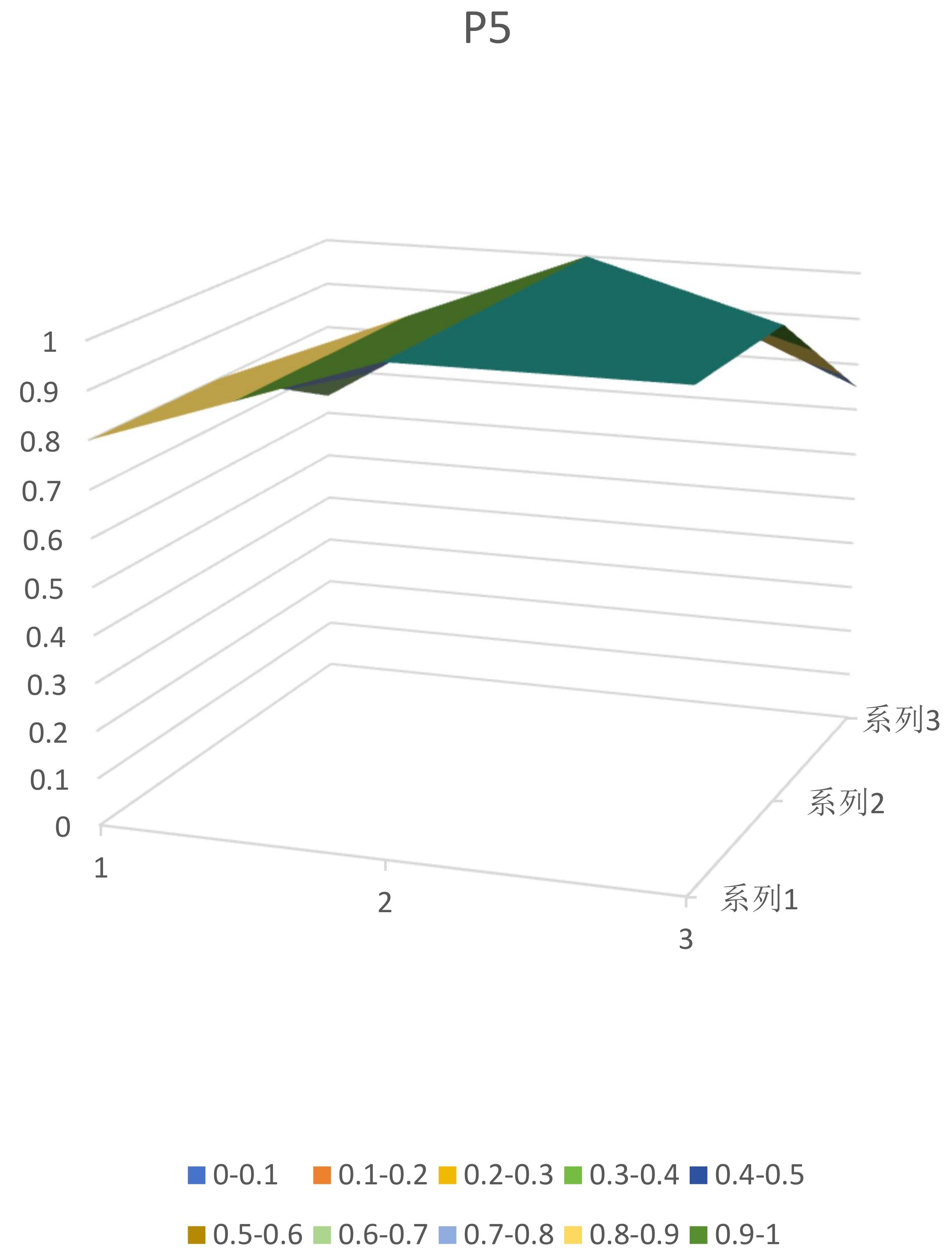
图4
政策P7的曲面图"
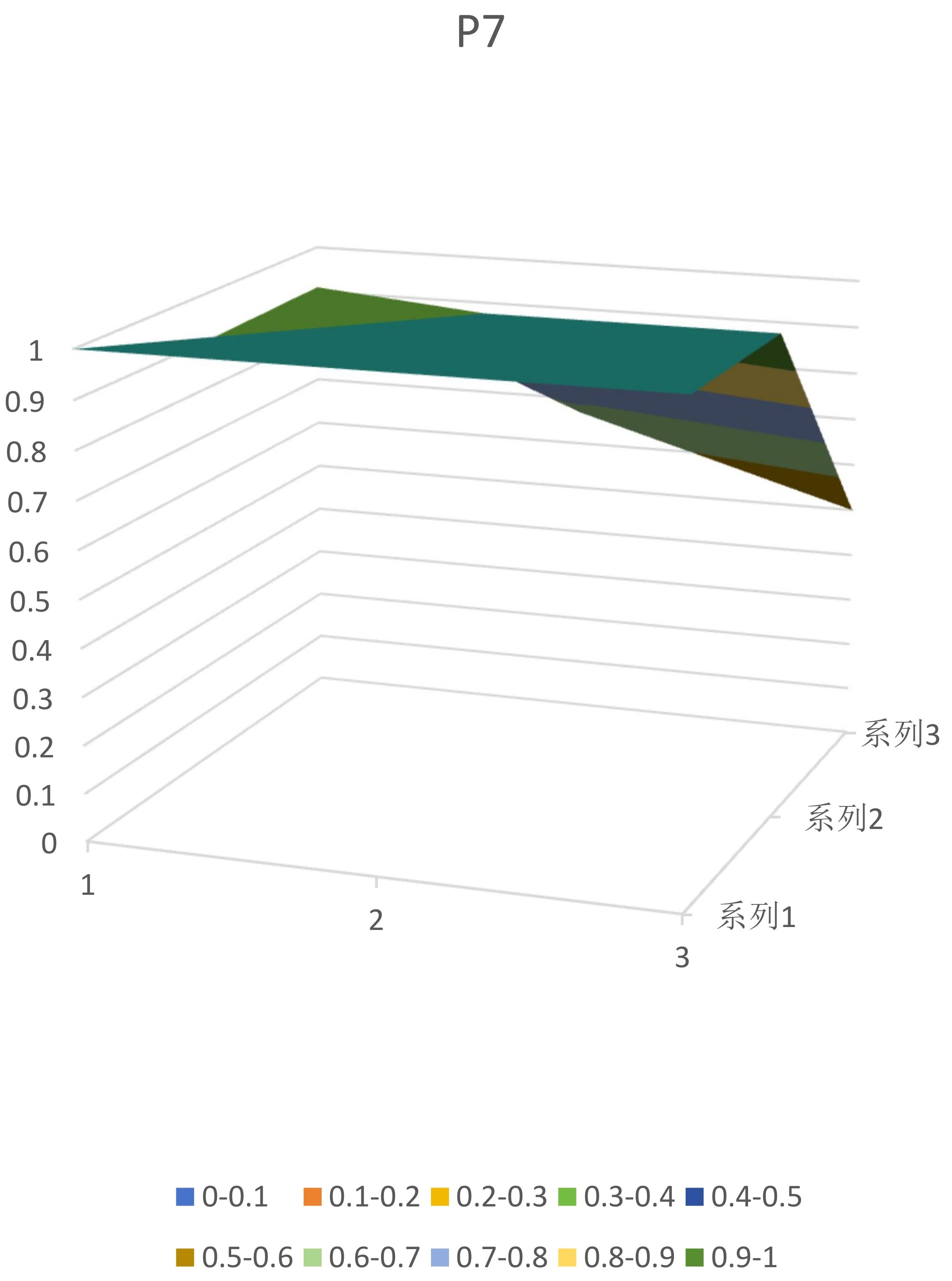
图5
政策P8的曲面图"
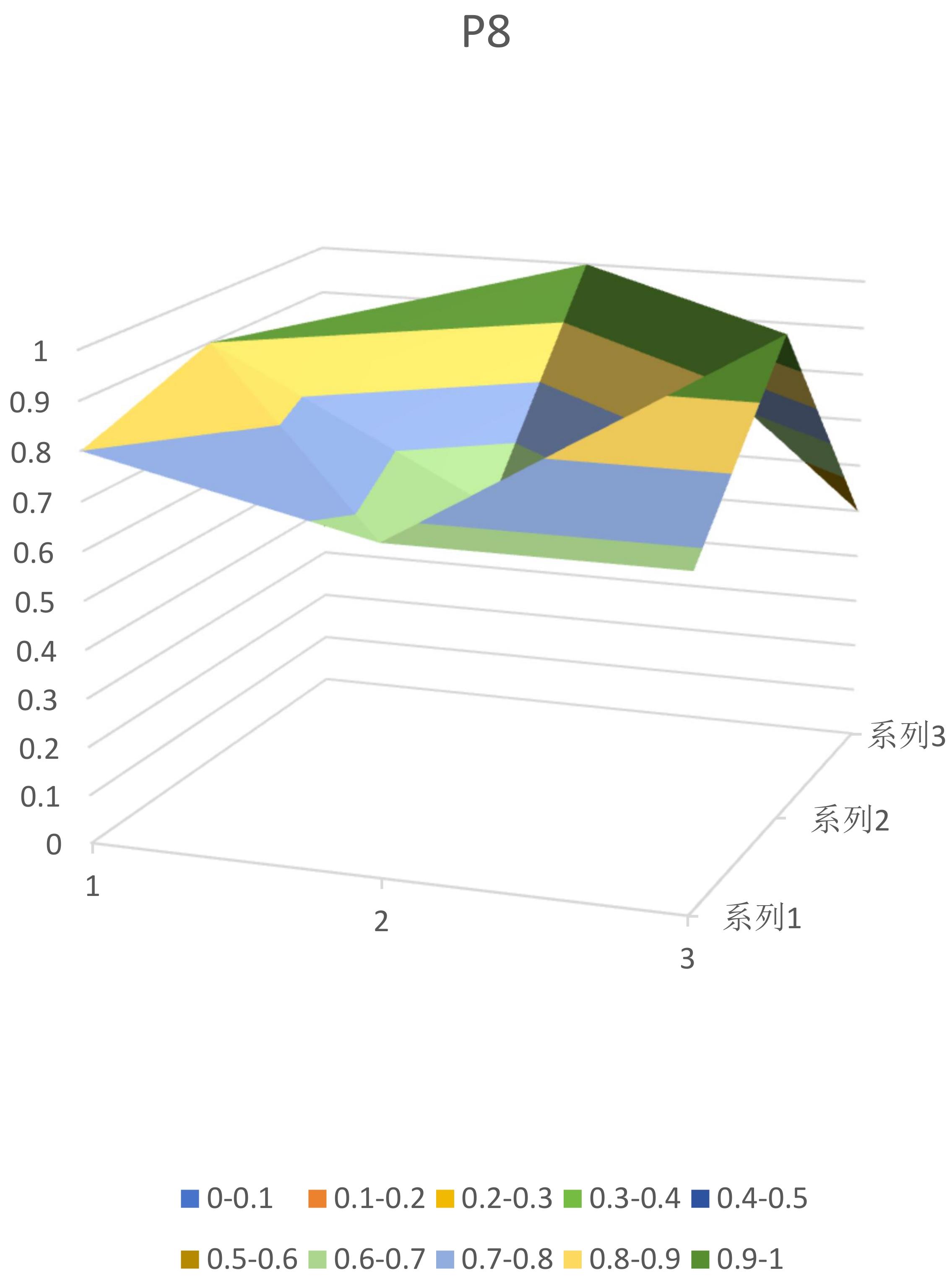
表4
公共数据开发利用政策样本的得分情况和PMC指数"
| 一级变量 | P1 | P2 | P3 | P4 | P5 | P6 | P7 | P8 | P9 | P10 | P11 | P12 | P13 | P14 | 均值 |
|---|---|---|---|---|---|---|---|---|---|---|---|---|---|---|---|
| X1 | 0.80 | 0.80 | 0.80 | 0.80 | 0.80 | 0.80 | 1.00 | 0.80 | 0.80 | 0.80 | 0.80 | 1.00 | 0.80 | 0.80 | 0.83 |
| X2 | 0.33 | 1.00 | 0.33 | 0.33 | 1.00 | 1.00 | 1.00 | 0.67 | 1.00 | 1.00 | 0.33 | 1.00 | 0.67 | 0.33 | 0.71 |
| X3 | 0.83 | 0.67 | 1.00 | 0.83 | 1.00 | 0.83 | 1.00 | 0.67 | 0.67 | 0.67 | 0.83 | 1.00 | 0.67 | 1.00 | 0.83 |
| X4 | 0.60 | 0.70 | 0.90 | 0.90 | 0.80 | 0.70 | 0.90 | 0.90 | 0.80 | 0.70 | 0.80 | 1.00 | 0.80 | 0.80 | 0.81 |
| X5 | 0.40 | 0.40 | 0.60 | 0.80 | 1.00 | 0.40 | 1.00 | 0.60 | 0.80 | 1.00 | 0.60 | 1.00 | 0.40 | 0.60 | 0.69 |
| X6 | 0.60 | 0.60 | 1.00 | 1.00 | 1.00 | 1.00 | 1.00 | 1.00 | 1.00 | 1.00 | 1.00 | 1.00 | 0.80 | 1.00 | 0.93 |
| X7 | 0.18 | 0.45 | 1.00 | 0.27 | 0.64 | 0.64 | 0.91 | 0.36 | 0.45 | 0.55 | 0.36 | 0.91 | 0.36 | 0.73 | 0.56 |
| X8 | 1.00 | 1.00 | 0.67 | 1.00 | 1.00 | 0.67 | 0.67 | 1.00 | 1.00 | 1.00 | 1.00 | 0.67 | 1.00 | 0.67 | 0.88 |
| X9 | 0.50 | 0.50 | 0.50 | 0.50 | 0.75 | 1.00 | 0.50 | 0.50 | 0.75 | 0.50 | 0.50 | 0.25 | 0.50 | 0.50 | 0.55 |
| PMC指数 | 5.24 | 6.12 | 6.80 | 6.43 | 7.99 | 7.04 | 7.98 | 6.50 | 7.27 | 7.22 | 6.22 | 7.83 | 6.00 | 6.43 | 6.79 |
| 排名 | 14 | 12 | 7 | 9 | 1 | 6 | 2 | 8 | 4 | 5 | 11 | 3 | 13 | 10 |
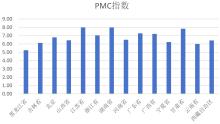
图6
政策样本PMC指数柱状图"
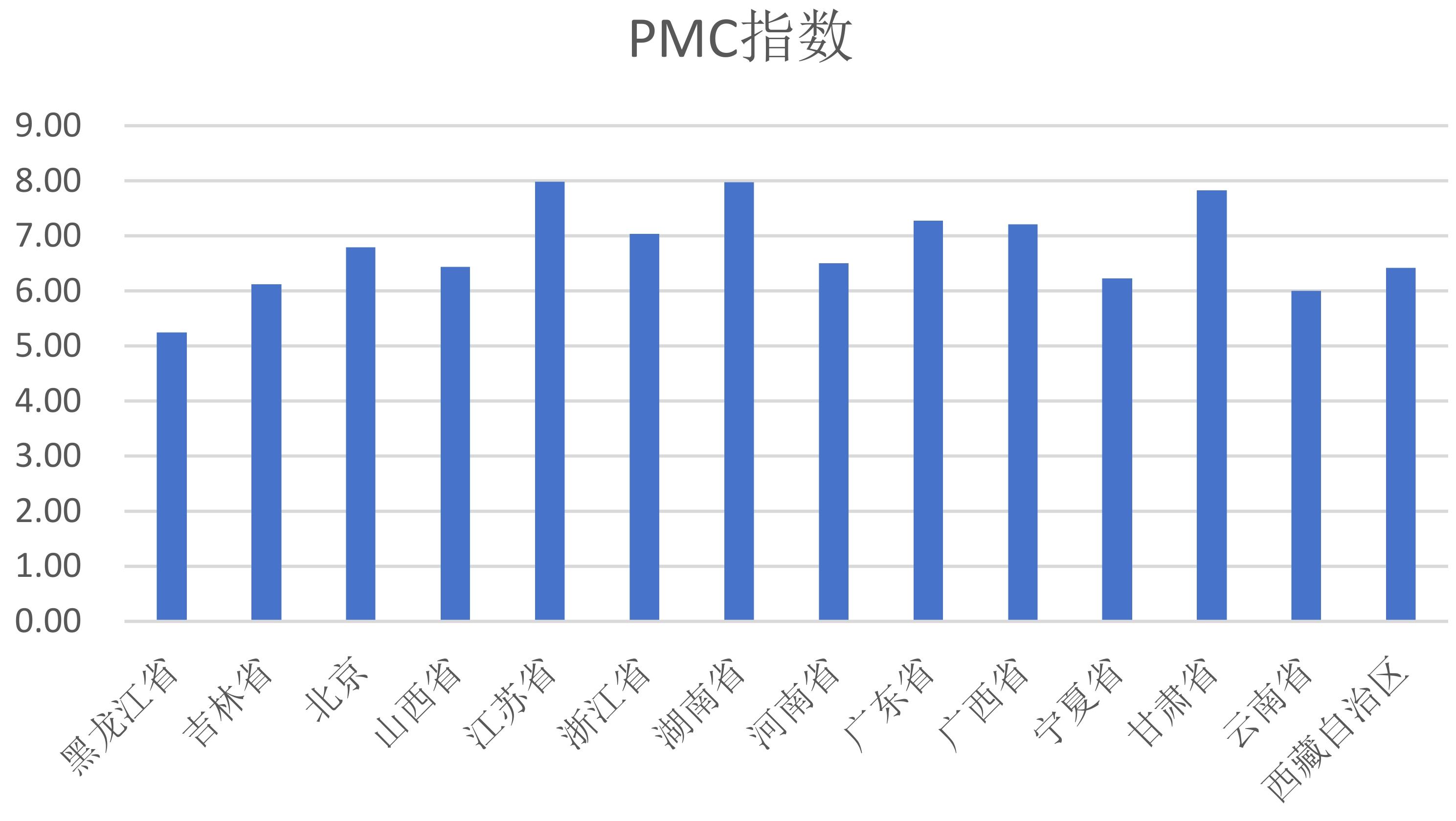
图7
3类政策一级指标平均值折线图"
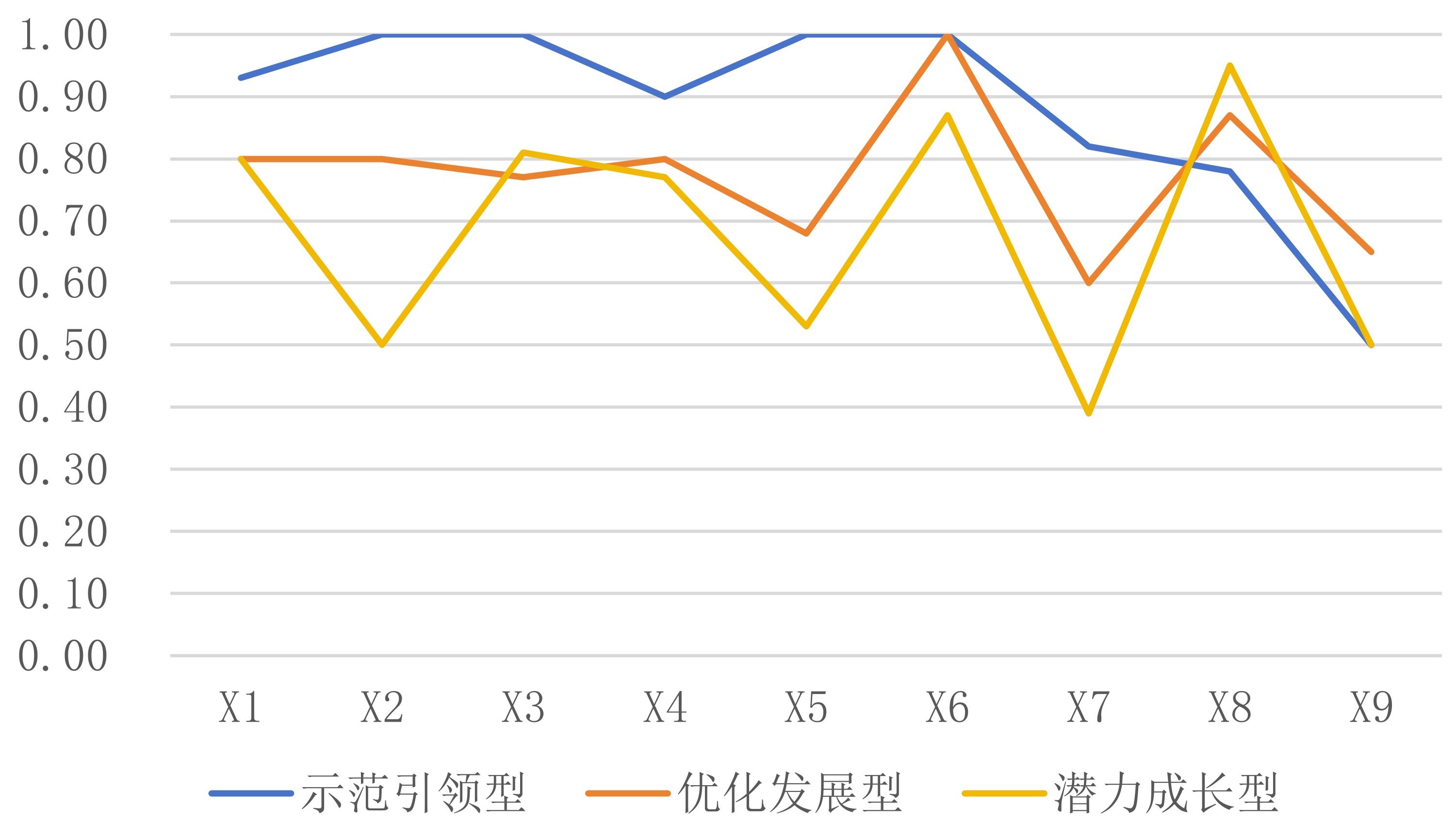
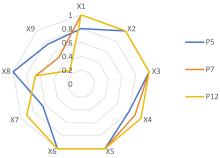
图8
示范引领型政策的PMC指数雷达图"
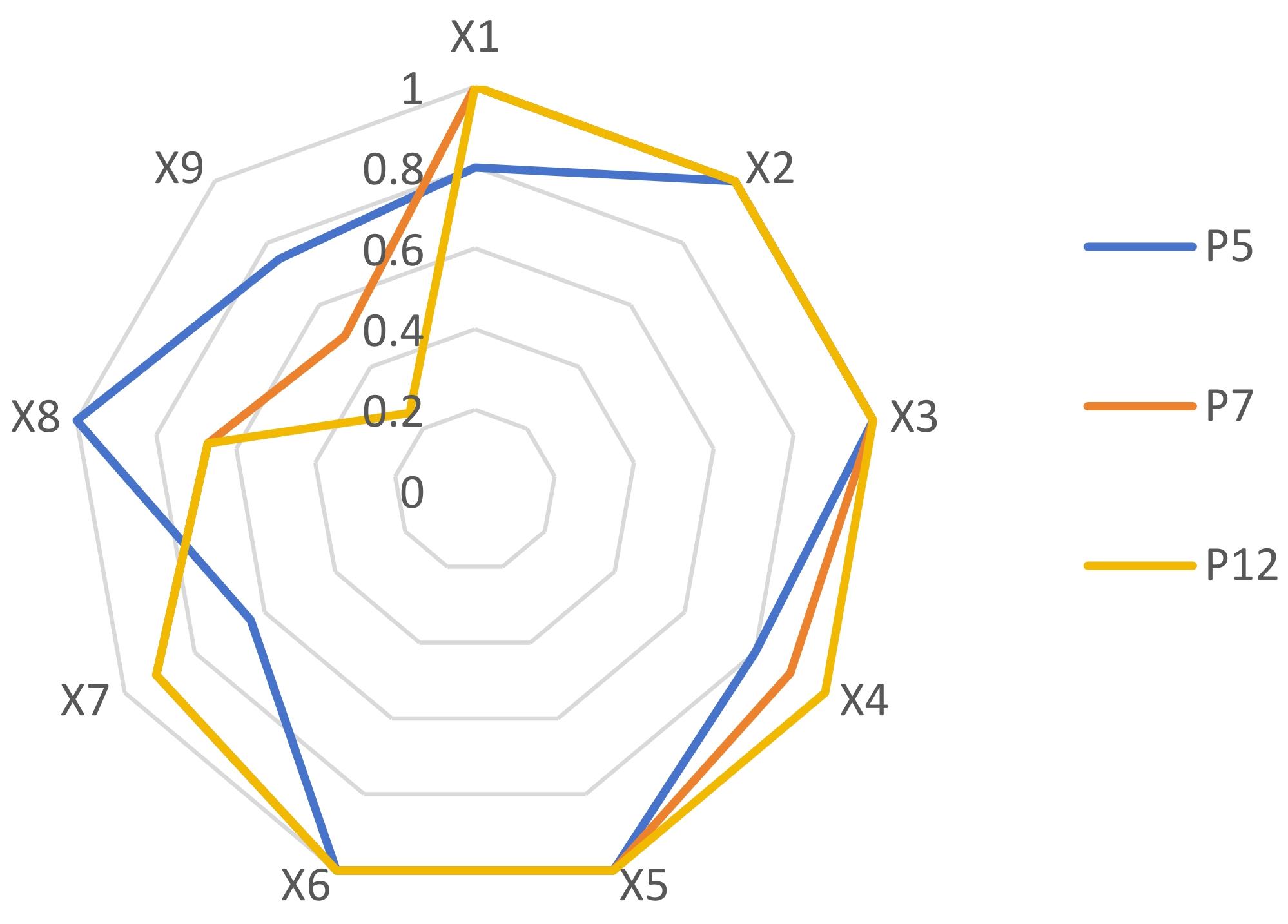
图9
优化发展型政策的PMC指数雷达图"
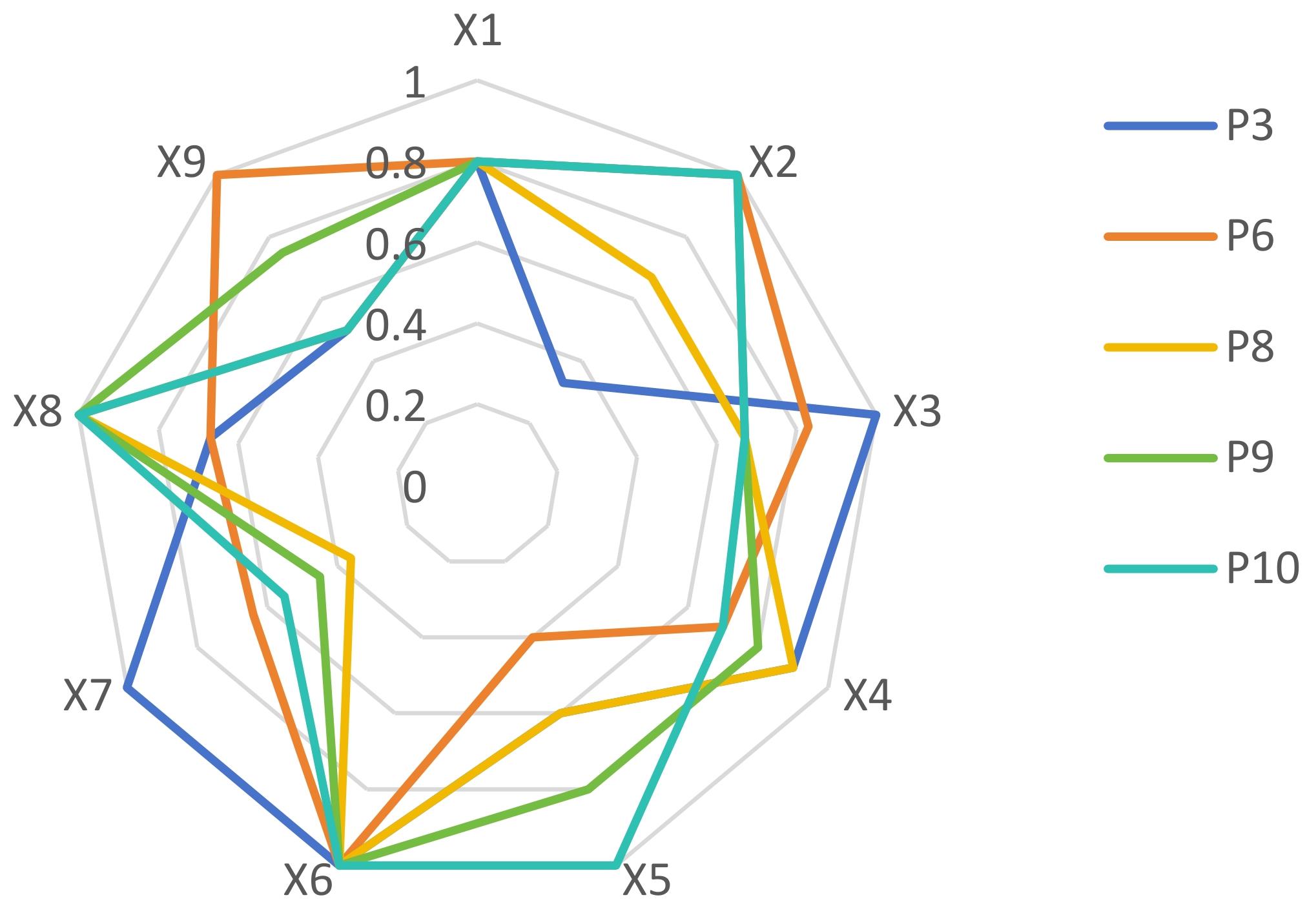
图10
潜力成长型政策的PMC指数雷达图"
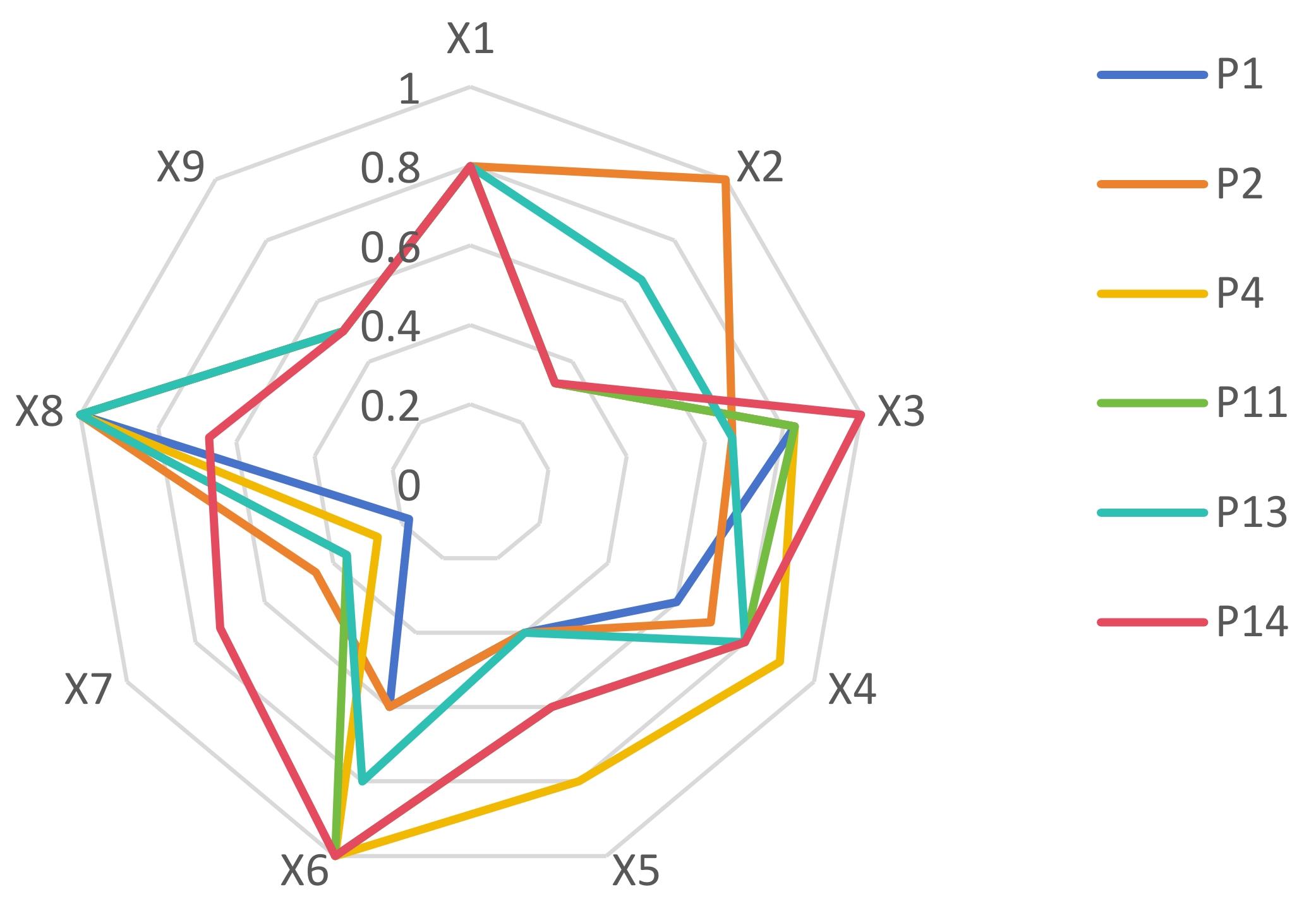
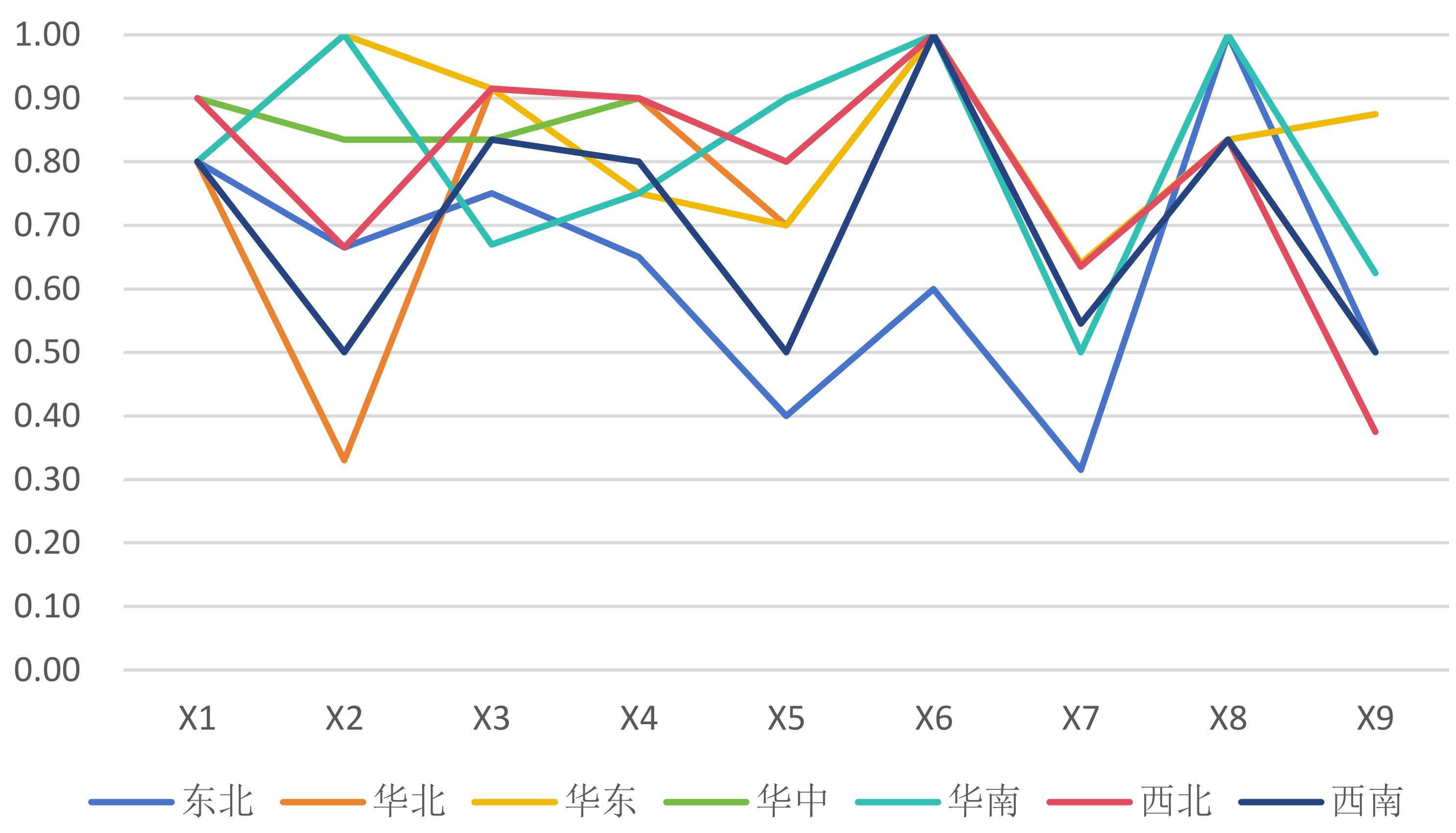
图11
七大分区一级指标平均值折线图"
| [1] |
夏义堃. 数据要素市场化配置与深化政府数据治理方式变革[J]. 图书与情报, 2020(3): 14-16.
|
|
|
|
| [2] |
国务院办公厅. 关于加快公共数据资源开发利用的意见[EB/OL]. [2026-02-20].
|
| [3] |
数字与移动治理实验室. 2025中国开放数林指数发布[EB/OL]. [2026-02-20].
|
| [4] |
杜荷花, 周环. 我国政府数据开放政策量化评价与优化——基于PMC指数模型的分析[J]. 图书馆建设, 2023(3): 70-81.
|
|
|
|
| [5] |
李森涛, 袁静, 王珊珊, 等. 我国地方公共数据授权运营政策评价研究[J]. 数字图书馆论坛, 2025, 21(1): 67-76.
|
|
|
|
| [6] |
张晓娟, 步闫若, 莫富传. 政策工具视角下我国地方政府公共数据治理政策研究[J]. 情报理论与实践, 2024, 47(6): 21-30.
|
|
|
|
| [7] |
陈美, 贾怡敏, 张峥峥. 基于三维分析框架的公共数据授权运营政策量化[J]. 图书情报知识, 2025, 42(5): 114-125, 158.
|
|
|
|
| [8] |
乔舒静, 姜景, 陈悦. 三维政策工具下我国公共数据授权运营政策研究[J]. 网络安全与数据治理, 2025, 44(6): 62-68, 81.
|
|
|
|
| [9] |
彭川宇, 刘月. 政府数据开放政策三维分析框架构建及实证研究[J]. 图书情报工作, 2021, 65(6): 12-22.
|
|
|
|
| [10] |
史卓润, 赵玉攀, 颜如玉. 基于结构主题模型的公共数据授权运营政策分析[J]. 科技情报研究, 2025, 7(2): 72-81.
|
|
|
|
| [11] |
程越欣, 杨峰, 郭剑明. 基于BERTopic模型的国内政府数据开放研究主题挖掘及内容分析[J]. 图书馆学研究, 2025(5): 26-37, 65.
|
|
|
|
| [12] |
马海群, 张斌. 基于LDA模型的我国开放公共数据政策供给特征分析[J]. 现代情报, 2023, 43(8): 35-44.
|
|
|
|
| [13] |
洪伟达, 马海群. 我国开放政府数据政策协同机理研究[J]. 情报科学, 2020, 38(5): 126-131.
|
|
|
|
| [14] |
刘春年, 朱池, 易岚. 中国公共数据授权运营政策的结构体系与协同关系研究[J]. 现代情报, 2025, 45(11): 105-115.
|
|
|
|
| [15] |
陈美, 赵子莜. 基于文本挖掘的开放政府数据与数字经济政策协同研究[J]. 情报杂志, 2024, 43(4): 184-191, 88.
|
|
|
|
| [16] |
李卓伦, 袁曦临. 城市公共数据授权运营政策量化测度研究——基于12项省市政策文本[J]. 情报探索, 2025(12): 48-55.
|
|
|
|
| [17] |
陈媛媛, 林安洁, 马海群. 基于固定效应回归分析的省级公共数据政策对政府数据开放绩效的影响研究[J]. 情报学报, 2024, 43(7): 875-888.
|
|
|
|
| [18] |
陈美, 郝志豪, 曹语嫣, 等. 我国地方政府开放数据制度评价与运行效果研究[J]. 图书情报工作, 2023, 67(8): 18-29.
|
|
|
|
| [19] |
|
| [20] |
|
| [21] |
|
| [22] |
|
| [23] |
|
| [24] |
张永安, 郄海拓. 国务院创新政策量化评价——基于PMC指数模型[J]. 科技进步与对策, 2017, 34(17): 127-136.
|
|
|
|
| [25] |
张永安, 郄海拓. 金融政策组合对企业技术创新影响的量化评价——基于PMC指数模型[J]. 科技进步与对策, 2017(2): 113-121.
|
|
|
|
| [26] |
|
| [27] |
张雅平, 游秀芬. 基于PMC指数模型的高校档案管理政策量化评价[J]. 河北北方学院学报(自然科学版), 2021, 37(9): 35-39.
|
|
|
|
| [28] |
任牡丹, 李佳奕, 吴义熔. 基于政策一致性指数模型的公共数据授权运营政策评价及优化分析[J]. 科技管理研究, 2026, 46(2): 54-65.
|
|
|
|
| [29] |
徐绪堪, 唐津, 滕森, 等. 我国公共数据开放政策的演化趋势与量化评价——基于优化PMC指数模型[J]. 情报科学, 2026, 44(5): 130-141.
|
|
|
|
| [30] |
何林莹, 马海群. 地方公共数据政策量化评价研究——基于PMC指数模型[J]. 现代情报, 2023, 43(8): 14-26.
|
|
|
|
| [31] |
周一, 杜宝贵, 王卓一. 基于PMC指数模型的东北三省公共数据确权政策量化评价分析[J]. 科技和产业, 2025, 25(14): 266-277.
|
|
|
|
| [32] |
赵诚诚. 长三角地区公共数据政策多维量化评价研究[D]. 哈尔滨: 黑龙江大学, 2025.
|
|
|
|
| [33] |
孙瑞英, 陈宜泓. 基于PMC指数模型的我国公共数据开放政策评价研究[J]. 情报理论与实践, 2023, 46(8): 33-42.
|
|
|
|
| [34] |
杨瑞仙, 毛绪泽, 郭诗语, 等. 基于LDA-PMC模型的我国数据要素政策文本量化评价研究[J]. 情报科学, 2025, 43(8): 10-19, 40.
|
|
|
|
| [35] |
胡峰, 温志强, 沈瑾秋, 等. 情报过程视角下大数据政策量化评价——以11项国家级大数据政策为例[J]. 中国科技论坛, 2020(4): 30-41, 73.
|
|
|
|
| [36] |
宋大成, 焦凤枝, 范升. 我国科学数据开放共享政策量化评价——基于PMC指数模型的分析[J]. 情报杂志, 2021, 40(8): 119-126.
|
|
|
|
| [37] |
毛太田, 陈忠达, 左珊, 等. 基于PMC指数模型的省级数据要素市场政策量化评价[J]. 情报科学, 2025, 43(8): 138-148.
|
|
|
|
| [38] |
金冬雪, 赵建国. 基于PMC指数模型的我国省域数据要素发展政策量化与评价[J]. 情报科学, 2025(9): 171-181, 201.
|
|
|
| [1] | 刘思艺, 刘桂锋, 刘琼, 韩牧哲. 价值共创视角下数据要素价值释放模型构建[J]. 农业图书情报学报, 2026, (): 1-12. |
| [2] | 吕鲲, 余林融, 闻雨竹, 李北伟. 解构“数据保护-共享利用”悖论:多主体协同视角下健康医疗数据共享演化博弈研究[J]. 农业图书情报学报, 2026, 38(8): 49-66. |
| [3] | 刘普斌, 张丹丹, 王鹏龙. 信息资源管理博士就业市场供需分析研究——基于学科转型视角的实证分析[J]. 农业图书情报学报, 2026, (): 1-15. |
| [4] | 李佳薇, 孙竹墨, 姜婷婷. 增强AI生成短视频用户参与意愿:AI披露的作用[J]. 农业图书情报学报, 2026, 38(7): 32-45. |
| [5] | 潘永, 孙静, 王建冬. 数据质量评估及改进策略——基于某市公共基础数据库(人口库和法人库)的检测分析[J]. 农业图书情报学报, 2026, 38(6): 59-69. |
| [6] | 黄水清, 刘浏, 张卫. 数据资源与数据智能:缘起、价值与场域[J]. 农业图书情报学报, 2026, 38(6): 4-16. |
| [7] | 黄水清, 张卫, 刘浏. 计算人文自主知识体系的建设与发展[J]. 农业图书情报学报, 2026, 38(5): 16-34. |
| [8] | 周文杰. 自主知识体系构建语境中的信息资源管理理论场域论析——一项面向中国本土学术话语的系统性考察[J]. 农业图书情报学报, 2026, 38(5): 65-81. |
| [9] | 吴丹, 许浩. 从人机交互到人智协同:中国信息资源管理学科自主知识体系建构的前沿视角[J]. 农业图书情报学报, 2026, 38(5): 55-64. |
| [10] | 牛春华, 王雅淇, 沙勇忠. 中国自主知识体系建设中的场景适配型智能知识服务——信息资源管理学科的支撑能力与人才培养[J]. 农业图书情报学报, 2026, 38(5): 82-93. |
| [11] | 安琳. 生成式人工智能迭代中的个人信息安全治理:基于大模型技术演进视角[J]. 农业图书情报学报, 2026, 38(4): 61-70. |
| [12] | 唐凤, 方向明, 王仪欣. 试论图书馆数字特藏可信数据空间建设的现实需求、理论框架和实施策略[J]. 农业图书情报学报, 2025, 37(11): 47-61. |
| [13] | 刘婷, 刘姝含, 刘振岩, 曾德全, 胡媛. 数据要素利用水平对企业供应链话语权的影响研究[J]. 农业图书情报学报, 2025, 37(9): 32-48. |
| [14] | 高丹, 崔斌. 文化遗产数据资源的价值共创机制研究——基于“阶段-主体-场景”框架的分析[J]. 农业图书情报学报, 2025, 37(7): 61-72. |
| [15] | 赵亚静. 用户生成内容(UGC)平台中抑郁倾向用户参与行为的影响因素研究[J]. 农业图书情报学报, 2025, 37(6): 70-86. |
|
||