中文    English

Journal of library and information science in agriculture ›› 2026, Vol. 38 ›› Issue (10): 15-24.doi: 10.13998/j.cnki.issn1002-1248.26-0634

    Next Articles

Optimization Mechanism of Data Asset Lifecycle Resilience for Smart Manufacturing Enterprises in the Context of Autonomous Agent Embeddedness

HUANG Lei1,2, HU Jin1(), QIN Shengjun1,2   

  1. 1. School of Economics and Management, Guangxi University of Science and Technology, Liuzhou 545006
    2. Laboratory for Intelligent Decision-Support Systems Analysis and Technology Assessment, Guangxi University of Science and Technology, Liuzhou 545006
  • Received:2026-09-11 Online:2026-10-05 Published:2026-11-10
  • Contact: HU Jin

Abstract:

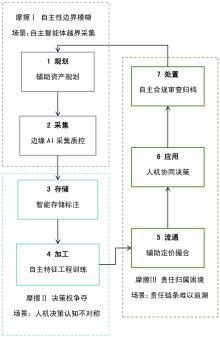
[Purpose/Significance] Autonomous agents are evolving from analytical tools into quasi-operational industry stakeholders. In addition, autonomous agents are becoming deeply embedded in the entire process of data asset generation and circulation within smart manufacturing enterprises. While enhancing the efficiency of data collection, processing, and application, autonomous agents also give rise to governance challenges. For instance, autonomous agents cause a blurring of data sovereignty, contested attribution of decision rights, and difficulties in accountability tracing. However, there is a governance dilemma of balancing data value generation and governance risk. The precondition and evaluation mechanism of data asset lifecycle resilience demands a comprehensive theoretical framework with the AI governance principle of human-in-the-loop (HITL). Smart manufacturing provides a large number of application scenarios characterized by intensive human-machine collaboration and complex intelligent decision-making chains. Hence, this study intends to counter the dilemma by addressing the following research question: What mechanism needs to be constructed to ease the conflict between data asset lifecycle resilience and AI governance of smart manufacturing in the context of autonomous agent embeddedness. [Method/Process] Based on ISO 55013:2024, Asset management—Guidance on the management of data assets, and following the stage delineations of DAMA-DMBOK2 and the Pilot Program for Whole-Process Management of Data Assets, this study aims to construct a hybrid conceptual framework for the data asset lifecycle with human-machine interaction. The hybrid conceptual framework divides the data asset lifecycle in the context of autonomous agent embeddedness into seven stages: planning, collection, storage, processing, circulation, application, and disposal. By applying a systematic literature review, this study constructs a theoretical model of smart manufacturing data asset lifecycle resilience governance in the context of autonomous agent embeddedness. The theoretical model integrates basic principles of socio-technical systems theory, principal-agent theory, dynamic capabilities theory, and contingency theory. Hence, this study intends to develop a theoretical base for further empirical study in the domain of data governance and AI governance of smart manufacturing. [Results/Conclusions] First, value gains and governance conflicts coexist at every stage of the smart manufacturing data asset lifecycle. Data assets transition dynamically among the three types of value states, including net gain, erosion, and neutrality. Second, three types of conflict persist throughout the entire smart manufacturing data asset lifecycle, and propagate along pathways of data quality deterioration, decision delay, and increasing compliance risks. Third, the HITL intervention framework and the multi-phase structure of smart manufacturing data asset lifecycle resilience are structurally isomorphous. The degree of HITL intervention decreases as the level of automation of data asset generation increases. Meanwhile, the irreplaceability of HITL intervention at key points in the lifecycle increases when the application of autonomous agents increases. The design of the HITL intervention mechanism dynamically depends on critical factors including task risks, the level of automation, and governance maturity. Consequently, this study identified that the governance performance of smart manufacturing data asset lifecycle resilience can be optimized by applying the HITL intervention with features of dynamic adaptation and stratified matching. The study of the HITL intervention framework in the data asset lifecycle resilience governance of smart manufacturing provides a theoretical basis for further academic discussion.

Key words: artificial intelligence governance, smart manufacturing, data asset, lifecycle, resilience mechanism

CLC Number: 

  • F272.7

Fig.1

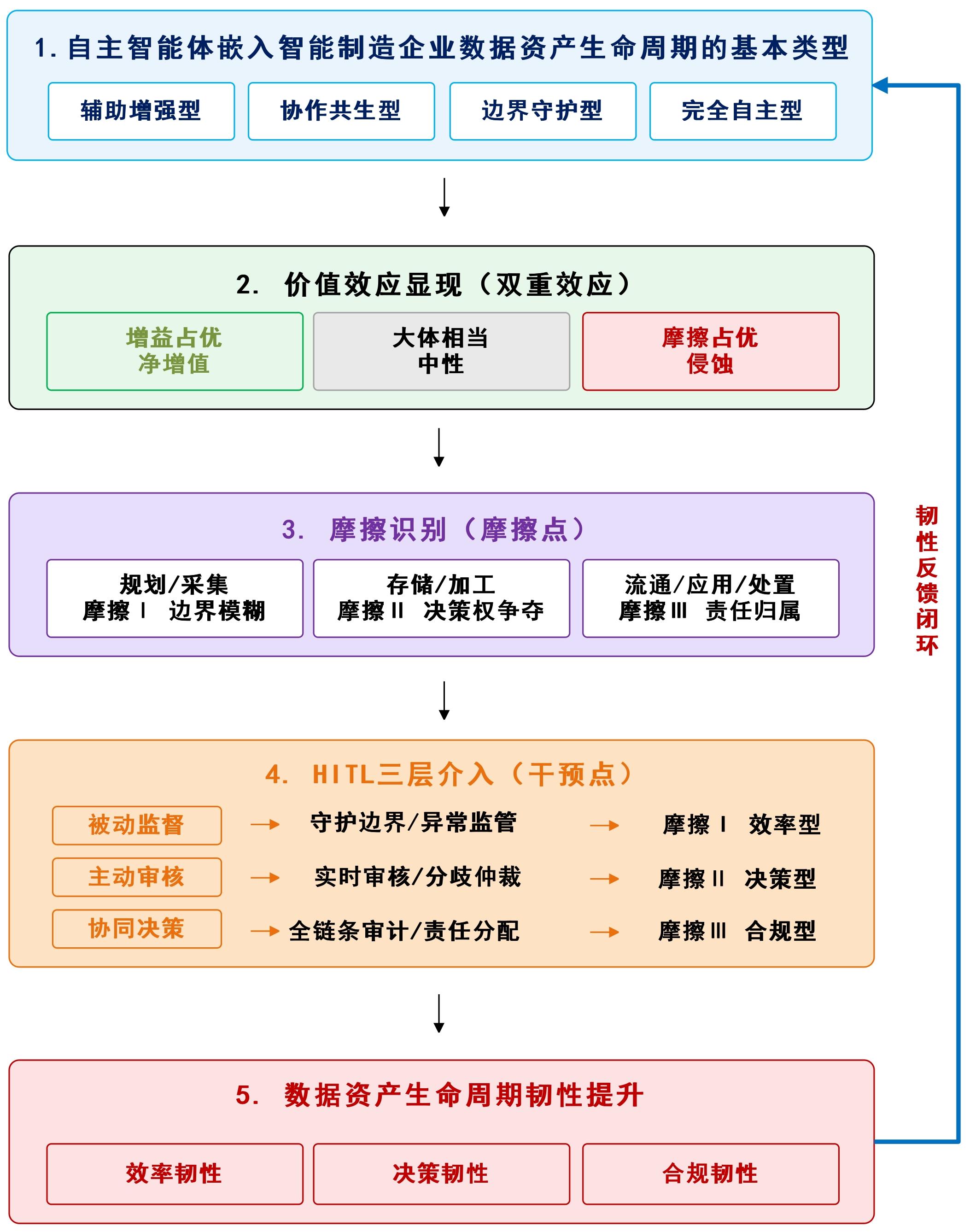
Hybrid lifecycle framework of data assets under autonomous agent embeddedness"

Table 1

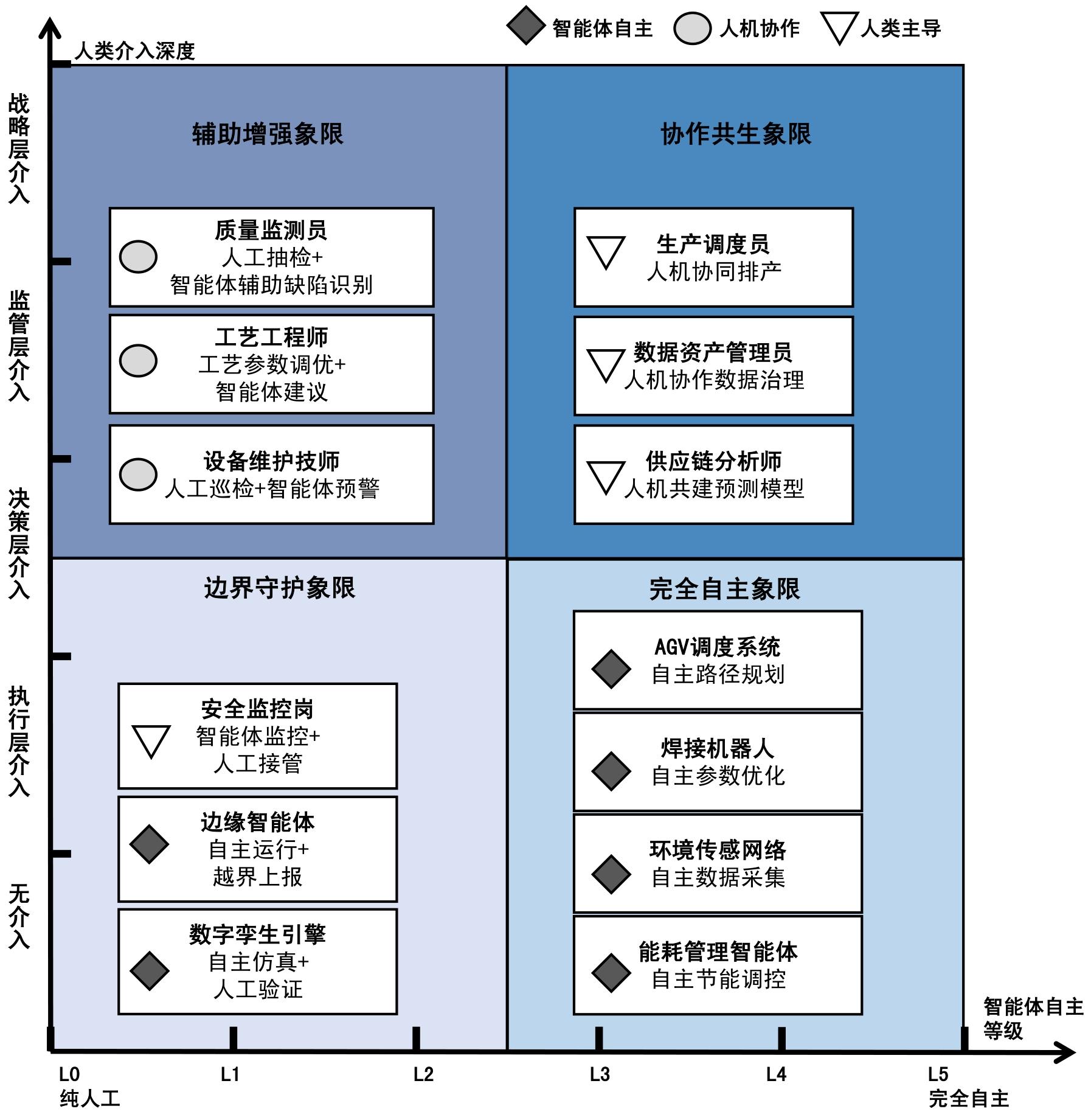
Mapping of four quadrants to a three-tier HITL mechanism"

嵌入象限 主导关系 适配HITL机制 对应摩擦类型
辅助增强 人主导 被动监督 摩擦I
协作共生 人机协同 主动审核 摩擦II
边界守护 智能体自主+人划界 主动审核/被动监督 摩擦I/II
完全自主 智能体自主 协同决策 摩擦III

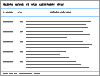
Fig.2

Embedding-mode quadrant of Human—Autonomous Agent intervention in smart manufacturing enterprises"

Fig.3

Comprehensive governance framework for data asset lifecycle resilience optimization based on human–machine systematic interconnection"

[1]
国家互联网信息办公室, 国家发展改革委, 工业和信息化部. 智能体规范应用与创新发展实施意见[EB/OL]. (2026-05-08)[2026-09-08].
[2]
ISO/IEC. Information technology - Artificial intelligence - Artificial intelligence concepts and terminology: ISO/IEC 22989:2022 [S/OL]. (2022-07-19)[2025-03-15].
[3]
DAMA International. DAMA-DMBOK2: Data Management Body of Knowledge[M]. 2nd ed. New Jersey: Technics Publications, 2017.
[4]
ISO. Asset management - Guidance on the management of data assets: ISO 55013:2024 [S/OL]. (2024-07-03)[2025-03-15].
[5]
Barredo Arrieta A, Díaz-Rodríguez N, Del Ser J, et al. Explainable Artificial Intelligence (XAI): Concepts, taxonomies, opportunities and challenges toward responsible AI[J]. Information Fusion, 2020, 58: 82-115.
[6]
Holling C S. Resilience and stability of ecological systems[J]. Annual Review of Ecology and Systematics, 1973, 4: 1-23.
[7]
Lengnick-Hall C A, Beck T E, Lengnick-Hall M L. Developing a capacity for organizational resilience through strategic human resource management[J]. Human Resource Management Review, 2011, 21(3): 243-255.
[8]
中共中央, 国务院. 关于构建数据基础制度更好发挥数据要素作用的意见: 数据二十条[Z/OL]. (2022-12-19)[2026-09-08].
[9]
财政部. 企业数据资源相关会计处理暂行规定: 财会〔2023〕11号[EB/OL]. (2023-08-01)[2025-03-15].
[10]
马费成, 熊思玥, 孙玉姣, 等. 数据分类分级确权对数据要素价值实现的影响[J]. 信息资源管理学报, 2024, 14(1): 4-12.
Ma Feicheng, Xiong Siyue, Sun Yujiao, et al. Impact of data classified and graded rights confirmation on the realization of the value of data elements[J]. Journal of Information Resources Management, 2024, 14(1): 4-12.
[11]
苑泽明, 李萌, 刘冠辰, 等. 企业数据资产确认与计量的理论问题研究[J]. 会计研究, 2026(2): 58-70.
Yuan Zeming, Li Meng, Liu Guanchen, et al. Research on the recognition and measurement of enterprise data assets[J]. Accounting Research, 2026(2): 58-70.
[12]
全国信息安全标准化技术委员会. 信息安全技术 数据安全能力成熟度模型: GB/T 37988-2019 [S]. 北京: 中国标准出版社, 2019.
[13]
全国信息技术标准化技术委员会. 数据管理能力成熟度评估模型: GB/T 36073-2025 [S]. 北京: 中国标准出版社, 2025.
[14]
Parasuraman R, Wickens C D. Humans: Still vital after all these years of automation[J]. Human Factors, 2008, 50(3): 511-520.
[15]
Parasuraman R, Sheridan T B, Wickens C D. A model for types and levels of human interaction with automation[J]. IEEE Transactions on Systems, Man, and Cybernetics - Part A: Systems and Humans, 2000, 30(3): 286-297.
[16]
Endsley M R, Kaber D B. Level of automation effects on performance, situation awareness and workload in a dynamic control task[J]. Ergonomics, 1999, 42(3): 462-492.
[17]
Wu Xingjiao, Xiao Luwei, Sun Yixuan, et al. A survey of human-in-the-loop for machine learning[J]. Future Generation Computer Systems, 2022, 135: 364-381.
[18]
Holzinger A, Zatloukal K, Müller H. Is human oversight to AI systems still possible [J]. New Biotechnology, 2025, 85: 59-62.
[19]
Lyons J B, Sycara K, Lewis M, et al. Human-autonomy teaming: Definitions, debates, and directions[J]. Frontiers in Psychology, 2021, 12: 589585.
[20]
Hagendorff T. The ethics of AI ethics: An evaluation of guidelines[J]. Minds and Machines, 2020, 30(1): 99-120.
[21]
全国信息技术标准化技术委员会. 信息技术 大数据 数据资产价值评估: GB/T 46353-2025 [S]. 北京: 中国标准出版社, 2025.
[22]
工业和信息化部办公厅. 智能制造典型场景参考指引(2025年版): 工业和信息化厅通装函〔2025〕155号[EB/OL]. (2025-04-19)[2026-09-08].
[23]
Williams T A, Gruber D A, Sutcliffe K M, et al. Organizational response to adversity: Fusing crisis management and resilience research streams[J]. Academy of Management Annals, 2017, 11(2): 733-769.
[1] GUO Hailing, ZENG Meiyun, FENG Yuxi. Model Construction and Strategies for AI-enabled University Library Services to Facilitate Scientific and Technological Achievement Transformation [J]. Journal of library and information science in agriculture, 2026, 38(2): 56-65.
[2] ZHOU Zhian, WANG Jiewei. Integrated Model of Digital Construction and Operation of Rural Areas Guided by Value-added Data Elements [J]. Journal of library and information science in agriculture, 2024, 36(5): 43-51.
[3] GU Liping, ZHANG Xiaoyue. Problems and Solutions of Distributed Big Data Asset Right Management [J]. Journal of library and information science in agriculture, 2023, 35(1): 39-55.
Viewed
Full text


Abstract

Cited

  Shared   
  Discussed   
No Suggested Reading articles found!