

农业图书情报学报 ›› 2026, Vol. 38 ›› Issue (7): 59-69.doi: 10.13998/j.cnki.issn1002-1248.26-0070
庄佳钰
收稿日期:2026-02-06
出版日期:2026-07-05
发布日期:2026-07-13
作者简介:庄佳钰(2003- ),女,硕士研究生,德克萨斯大学奥斯汀分校信息学院,研究方向为用户信息行为、数字图书馆、人机交互
基金资助:ZHUANG Jiayu
Received:2026-02-06
Online:2026-07-05
Published:2026-07-13
摘要:
[目的/意义] 通过揭示公共图书馆AI智慧服务用户使用意愿影响因素,探究图书馆用户对于AI智慧服务及工具的需求,推动公共图书馆AI智慧服务与智慧图书馆建设深度融合。 [方法/过程] 以公共图书馆用户为研究对象,使用问卷调查法在网络调研平台收集257份有效问卷,引入信任与感知风险因素,结合TAM与PLS-SEM偏最小二乘结构方程模型,构建公共图书馆AI智慧服务用户使用意愿影响因素模型并进行实证分析。 [结果/结论] 感知有用性和感知易用性正向影响公共图书馆用户满意度,信任、满意度、感知有用性与感知易用性均正向影响用户使用意愿,感知风险负向影响用户使用意愿,感知风险对感知有用性的影响不显著,信任负向影响用户AI智慧服务感知风险。建议公共图书馆在推广AI智慧服务的融合过程中,加强应用透明度,结合地域文化实现特色应用,拓展AI智慧服务模式与场景,提高用户AI素养。
中图分类号: G250.7
庄佳钰. 基于TAM模型与PLS-SEM的公共图书馆AI智慧服务用户使用意愿影响因素研究[J]. 农业图书情报学报, 2026, 38(7): 59-69.
ZHUANG Jiayu. Factors Influencing Users' Intentions to Adopt AI Intelligent Services in Public Libraries: An Empirical Study Based on TAM and PLS-SEM[J]. Journal of library and information science in agriculture, 2026, 38(7): 59-69.
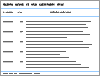
表1
AI技术采纳意愿及行为研究成果(节选)"
| 研究者 | 研究对象 | 理论框架 | 研究成果 |
|---|---|---|---|
| YANG等[ | AI在知识服务行业的应用 | “科技-组织-环境”框架(TOE) | 企业的创新指数、AI技术就绪度与竞争和监管环境影响AI在知识密集型行业的应用 |
| BIANCHINI等[ | AI在科学研究中实现应用的驱动力与阻力 | 科技人力资源与成本理论框架(STHC) | 具备丰富AI使用经验的科研人员是推动AI工具在科学研究领域成功应用的关键要素 |
| ANDREWS等[ | 图书馆员对于AI应用及其余相关新兴技术的接受度影响因素 | 统一技术接受模型(UTAUT) | 绩效期望与技术使用态度显著影响图书馆员对AI及相关技术的采纳意愿 |
| 李子[ | 媒介素养视域下老年群体AI智能问诊接受度研究:基于TAM模型的实证调查 | 技术接受模型(TAM) | 银发人群对AI问诊医疗服务的易用性和有用性感知程度较低,进而影响采纳意愿 |
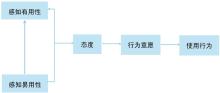
图1
传统TAM模型"
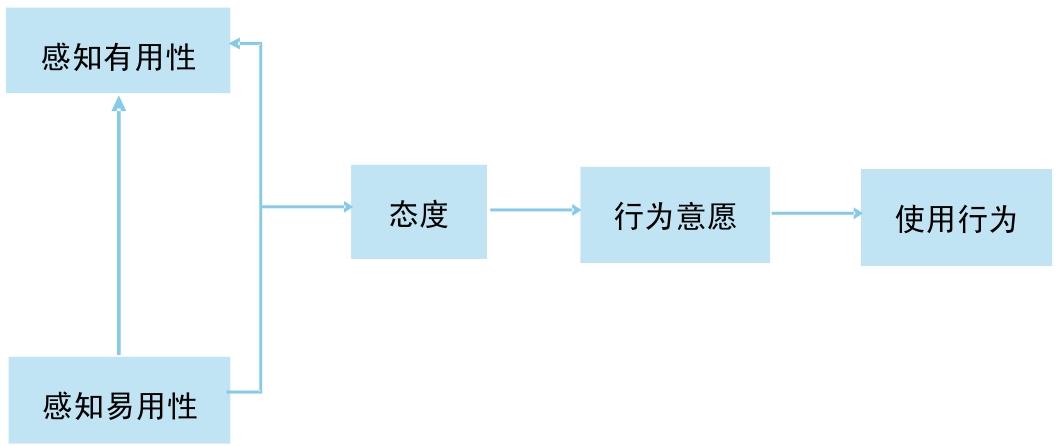
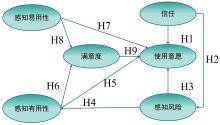
图2
研究模型"
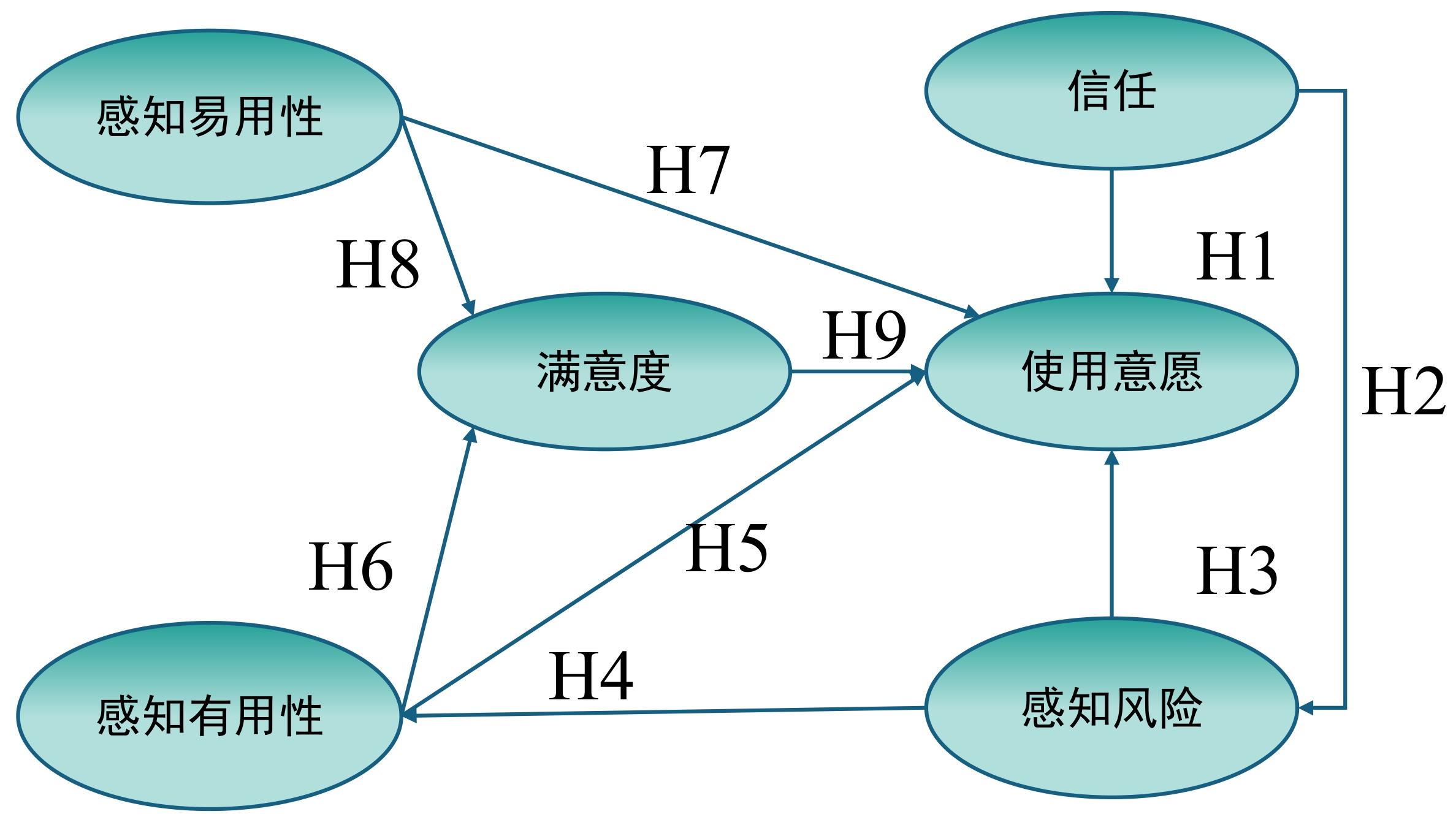
表2
问卷题项及内容"
| 变量 | 题项 | 内容 | 内容来源 |
|---|---|---|---|
信任 (T) | T1 | 我认为公共图书馆的AI工具或服务能够提供真实、准确且可靠的信息 | CHOUDHURY等[ |
| T2 | 我认为在使用公共图书馆AI工具或服务的过程中是安全的,无需担心个人隐私泄露问题 | ||
| T3 | 我认为公共图书馆AI工具或服务的运行机制是透明的 | ||
感知风险 (PR) | PR1 | 我担心公共图书馆中的AI工具或服务可能生成不实信息 | YUSUF等[ |
| PR2 | 我担心公共图书馆AI服务或应用在实际使用过程中可能无法达到预期效果 | ||
| PR3 | 我担心在使用公共图书馆中的AI工具或服务过程中存在个人隐私泄露的风险 | ||
感知易用性 (PEOU) | PEOU1 | 我认为公共图书馆中的AI工具或服务操作简便、易于使用 | CHATTERJEE[ |
| PEOU2 | 我认为公共图书馆中的AI工具或服务应具有友好的用户界面 | ||
| PEOU3 | 我能够较为轻松地掌握并使用公共图书馆中的AI工具或服务 | ||
| PEOU4 | 我认为其他用户能够在较短时间内上手公共图书馆中的AI工具或服务 | ||
感知有用性 (PU) | PU1 | 我认为公共图书馆中的AI工具或服务能够提高我查找和获取信息的效率 | DAVIS[ 崔宇红等[ |
| PU2 | 我认为公共图书馆中的AI工具或服务能够为用户提供更加智能化的信息服务体验 | ||
| PU3 | 我认为公共图书馆中的AI工具或服务有助于提升用户的阅读与学习体验 | ||
| PU4 | 我认为通过使用公共图书馆中的AI工具或服务能够提升自身的AI素养 | ||
用户满意度 (S) | S1 | 我对使用公共图书馆中的AI工具或服务持积极态度 | HUSSAIN等[ |
| S2 | 我赞成公共图书馆引入和应用AI | ||
使用意愿 (BI) | BI1 | 我愿意尝试使用公共图书馆中的AI工具或服务 | 曹晶等[ 李子[ |
| BI2 | 我愿意在未来持续使用公共图书馆提供的AI工具或服务 | ||
| BI3 | 我愿意向亲朋好友或同事推荐公共图书馆中的AI工具或服务 |
表3
样本信息统计"
| 变量 | 类目 | 数量/人 | 占比/% |
|---|---|---|---|
| 性别 | 男 | 116 | 45.14 |
| 女 | 141 | 54.86 | |
| 年龄 | 18岁以下 | 25 | 9.73 |
| 18~25岁 | 86 | 33.46 | |
| 26~40岁 | 79 | 30.74 | |
| 41~50岁 | 37 | 14.4 | |
| 50岁以上 | 30 | 11.67 | |
| 学历 | 高中及以下 | 20 | 7.78 |
| 专科 | 57 | 22.18 | |
| 本科 | 112 | 43.58 | |
| 硕士及以上 | 68 | 26.46 | |
| 职业 | 学生 | 83 | 32.3 |
| 机关事业单位人员 | 68 | 26.46 | |
| 民营企业员工 | 49 | 19.07 | |
| 其他 | 57 | 22.17 |
表4
样本信效度检验"
| 变量 | 题项 | 标准化因子载荷 | Cronbach's α系数 | CR | AVE |
|---|---|---|---|---|---|
| 感知有用性(PU) | PU1 | 0.804 | 0.825 | 0.801 | 0.612 |
| PU2 | 0.702 | ||||
| PU3 | 0.745 | ||||
| PU4 | 0.757 | ||||
感知易用性 (PEOU) | PEOU1 | 0.846 | 0.741 | 0.749 | 0.518 |
| PEOU2 | 0.765 | ||||
| PEOU3 | 0.720 | ||||
| PEOU4 | 0.827 | ||||
感知风险 (PR) | PR1 | 0.835 | 0.789 | 0.724 | 0.557 |
| PR2 | 0.792 | ||||
| PR3 | 0.731 | ||||
信任 (T) | T1 | 0.716 | 0.793 | 0.765 | 0.501 |
| T2 | 0.764 | ||||
| T3 | 0.815 | ||||
满意度 (S) | S1 | 0.790 | 0.701 | 0.724 | 0.555 |
| S2 | 0.755 | ||||
使用意愿 (BI) | BI1 | 0.856 | 0.803 | 0.775 | 0.613 |
| BI2 | 0.708 | ||||
| BI3 | 0.805 |
表5
变量AVE平方根值与相关系数"
| 变量 | 感知有用性 | 感知易用性 | 信任 | 感知风险 | 满意度 | 使用意愿 |
|---|---|---|---|---|---|---|
| 感知有用性 | 0.782 | |||||
| 感知易用性 | 0.695 | 0.720 | ||||
| 信任 | 0.580 | 0.559 | 0.708 | |||
| 感知风险 | 0.637 | 0.610 | 0.507 | 0.746 | ||
| 满意度 | 0.626 | 0.650 | 0.543 | 0.477 | 0.745 | |
| 使用意愿 | 0.667 | 0.524 | 0.631 | 0.551 | 0.582 | 0.783 |
表6
模型拟合度检验"
| 模型拟合指数 | 标准值 | 实际值 |
|---|---|---|
| X²/df | 1X2/df 3 | 1.083 |
| GFI | 0.9 | 0.946 |
| AGFI | 0.85 | 0.926 |
| RMSEA | 0.05 | 0.018 |
| CFI | 0.9 | 0.994 |
| NFI | 0.8 | 0.933 |
| TLI | 0.9 | 0.993 |
| SRMR | 0.08 | 0.035 |
表7
结构方程模型路径假设检验"
| 假设 | 标准路径系数 | S.E. | C.R. | 结论 |
|---|---|---|---|---|
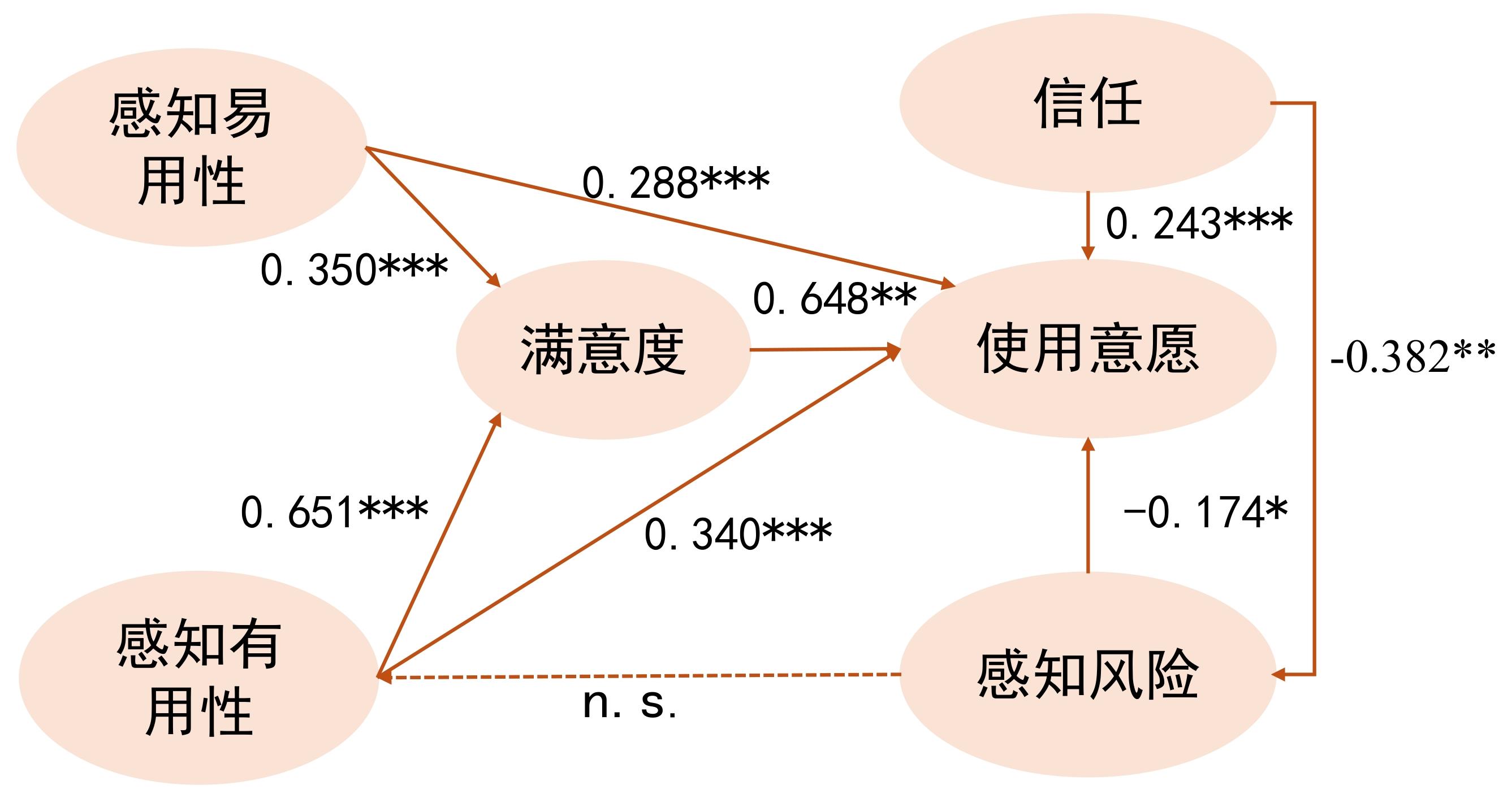
| H1:T→BI | 0.243*** | 0.068 | 3.556 | 支持 |
| H2:T→PR | 0.382*** | 0.088 | 4.335 | 支持 |
| H3:PR→BI | 0.174* | 0.079 | 2.200 | 支持 |
| H4:PR→PU | 0.072 | 0.319 | 0.226 | 不支持 |
| H5:PU→BI | 0.340*** | 0.076 | 4.464 | 支持 |
| H6:PU→S | 0.651*** | 0.175 | 3.725 | 支持 |
| H7:PEOU→BI | 0.288*** | 0.048 | 6.059 | 支持 |
| H8:PEOU→S | 0.350*** | 0.105 | 3.323 | 支持 |
| H9:S→BI | 0.648** | 0.205 | 3.167 | 支持 |
图3
路径系数及显著性*注:***,p0.001;**,p0.01;*,p0.05;ns,不显著。虚线表示假设成立,实线表示假设不成立"
| [1] | IFLA. Release of "IFLA Entry Point to Libraries and AI" document[EB/OL]. [2026-01-18]. . |
| [2] | 人民出版社. 中华人民共和国国民经济和社会发展第十四个五年规划和2035年远景目标纲要[M]. 北京: 人民出版社, 2021: 46-52. |
| [3] | 郭海玲, 曾美云, 冯予希. AI赋能高校图书馆服务科技成果转化的模式构建与策略研究[J/OL]. 农业图书情报学报, 1-10[2026-03-09]. . |
| Guo Hailing, Zeng Meiyun, Feng Yuxi. Model construction and strategies for AI-enabled university library services to facilitate scientific and technological achievement transformation[J/OL]. Journal of Library and Information Science in Agriculture, 1-10[2026-03-09]. . | |
| [4] | 曾粤亮, 吕晓龙, 司莉. 智能向善: AI赋能公共图书馆弱势群体服务及其伦理风险规制路径[J/OL]. 图书情报知识, 1-12[2026-03-09]. . |
| Zeng Yueliang, Lv Xiaolong, Si Li. Artificial intelligence for good: The practice of AI-enabled public library services for vulnerable groups and ethical risk regulation paths[J]. Documentation, Information Knowledge: 1-12. . | |
| [5] | 宫兆晖. 智慧图书馆背景下海外人工智能实验室发展与经验[J]. 图书馆, 2025(1): 80-86. |
| Gong Zhaohui. Development and experience of overseas artificial intelligence laboratory under the background of smart library[J]. Library, 2025(1): 80-86. | |
| [6] | 新华日报. 看, AI驱动下的江苏“图书馆革命”[EB/OL]. [2026-01-18]. . |
| [7] | Masinde J M, Mugambi F, Wambiri D M. Exploring the current landscape of artificial intelligence adoption in Kenyan academic libraries[C]//Proceedings of the 17th International Conference on Theory and Practice of Electronic Governance. New York: ACM, 2024: 403-408. |
| [8] | 钱晓红, 董晓晶, 王策, 等. 基于DeepSeek的高校图书馆AI生成式资源搜索研究与实现——以中国矿业大学(北京)图书馆为例[J]. 图书馆工作与研究, 2025(8): 65-72. |
| Qian Xiaohong, Dong Xiaojing, Wang Ce, et al. Research and implementation of AI generative resource search in university libraries based on DeepSeek - A case study of the China University of mining and technology (Beijing) library[J]. Library Work and Study, 2025(8): 65-72. | |
| [9] | 季莹, 李君, 高雨, 等. AI赋能的高校图书馆馆藏资源服务效能评估探索——以哈尔滨工业大学图书馆为例[J]. 大学图书馆学报, 2025, 43(4): 5-14. |
| Ji Ying, Li Jun, Gao Yu, et al. AI-empowered evaluation of academic library collection service effectiveness - A case study of Harbin institute of technology library[J]. Journal of Academic Libraries, 2025, 43(4): 5-14. | |
| [10] | 宋玲玲, 张杏辉. AI大模型驱动背景下国内外图书馆智能咨询服务效能研究[J/OL]. 农业图书情报学报, 1-13[2026-03-09]. . |
| Song Lingling, Zhang Xinghui. Efficacy of intelligent consulting services in libraries at home and abroad under the background of AI large model driving[J/OL]. Journal of Library and Information Science in Agriculture, 1-13[2026-03-09]. . | |
| [11] | 李琪, 叶继元. 人工智能驱动科学(AI4S)赋能高校图书馆学科情报服务的场景、模式和策略探索[J/OL]. 图书馆, 1-11[2026-03-09]. . |
| Li Qi, Ye Jiyuan. AI for Science(AI4S) empowers the exploration of scenarios, models and strategies for subject intelligence services in university library[J/OL]. Library, 1-11[2026-03-09]. . | |
| [12] | 任萍萍, 方锐, 赵宁, 等. AI4S驱动下智慧图书馆知识服务范式重构及生态系统构建研究[J/OL]. 图书馆杂志, 1-9[2026-03-09]. . |
| Ren Pingping, Fang Rui, Zhao Ning, et al. Research on knowledge service paradigm reconstruction and ecosystem construction of smart library driven by AI 4S[J/OL]. Library Journal, 1-9[2026-03-09]. . | |
| [13] | 敬海燕, 王智迪. AI时代图书馆视角下的信息安全风险主题识别与演化分析[J]. 图书馆学研究, 2025(11): 25-35. |
| Jing Haiyan, Wang Zhidi. Theme identification and evolution of information security risks in libraries in the artificial intelligence era[J]. Research on Library Science, 2025(11): 25-35. | |
| [14] | 李佳轩, 储节旺, 杜秀秀. 关联、黑箱与赋能: AIGC驱动智慧图书馆的转型路径[J]. 图书情报工作, 2023, 67(23): 18-27. |
| Li Jiaxuan, Chu Jiewang, Du Xiuxiu. Connection, black box and empowerment: The path of AIGC to drive the transformation of smart libraries[J]. Library and Information Service, 2023, 67(23): 18-27. | |
| [15] | 田欣雨. 图书馆利用生成式人工智能进行阅读推广的版权风险[J]. 图书馆界, 2024(4): 75-80. |
| Tian Xinyu. Copyright risk of library's reading promotion by using generative artificial intelligence[J]. Library World, 2024(4): 75-80. | |
| [16] | 宋西贵, 王平利, 万益嘉, 等. AI时代高校图书馆开放创新生态构建: 美国国会图书馆Innovator in Residence项目的启示[J]. 大学图书馆学报, 2025, 43(6): 82-92. |
| Song Xigui, Wang Pingli, Wan Yijia, et al. Building an open innovation ecosystem for university libraries in the age of AI: Enlightenment from the innovator in residence project of the library of congress[J]. Journal of Academic Libraries, 2025, 43(6): 82-92. | |
| [17] | 韦景竹, 叶彦君. 日本图书馆人工智能研究与应用前沿[J]. 图书馆论坛, 2022, 42(8): 51-61. |
| Wei Jingzhu, Ye Yanjun. The frontiers of artificial intelligence research and application in Jap-anese libraries[J]. Library Tribune, 2022, 42(8): 51-61. | |
| [18] | Acosta-Enriquez B G, Ramos Farroñan E V, Villena Zapata L I, et al. Acceptance of artificial intelligence in university contexts: A conceptual analysis based on UTAUT2 theory[J]. Heliyon, 2024, 10(19): e38315. |
| [19] | Su Jiayu, Wang Yuhui, Liu Hongyi, et al. Investigating the factors influencing users' adoption of artificial intelligence health assistants based on an extended UTAUT model[J]. Scientific Reports, 2025, 15: 18215. |
| [20] | Tursunbayeva A, Chalutz-Ben Gal H. Adoption of artificial intelligence: A TOP framework-based checklist for digital leaders[J]. Business Horizons, 2024, 67(4): 357-368. |
| [21] | Gansser O A, Reich C S. A new acceptance model for artificial intelligence with extensions to UTAUT2: An empirical study in three segments of application[J]. Technology in Society, 2021, 65: 101535. |
| [22] | Li Wei, Zhang Xiaolin, Li Jing, et al. An explanatory study of factors influencing engagement in AI education at the K-12 Level: An extension of the classic TAM model[J]. Scientific Reports, 2024, 14: 13922. |
| [23] | 张维冲, 徐琛, 朱怡然. 基于TAM-IDT整合模型的基层公务员AI素养培育路径研究[J]. 农业图书情报学报, 2025, 37(5): 72-85. |
| Zhang Weichong, Xu Chen, Zhu Yiran. Cultivation path of AI literacy for grassroots civil servants based on the integrated TAM-IDT model[J]. Journal of Library and Information Science in Agriculture, 2025, 37(5): 72-85. | |
| [24] | Harisanty D, Anna N E V, Sin S J, et al. Librarian behaviour towards AI: An explorative study of how librarians use AI through the lens of the diffusion of innovations theory[J]. The Electronic Library, 2025, 43(4): 578-599. |
| [25] | Hussain A, Khan A. Librarian acceptance of artificial intelligence in academic libraries of Islamabad: An application of the technology acceptance model[J]. Technical Services Quarterly, 2025, 42(3/4): 297-317. |
| [26] | Yang Jiaqi, Blount Y, Amrollahi A. Artificial intelligence adoption in a professional service industry: A multiple case study[J]. Technological Forecasting and Social Change, 2024, 201: 123251. |
| [27] | Bianchini S, Müller M, Pelletier P. Drivers and barriers of AI adoption and use in scientific research[J]. Technological Forecasting and Social Change, 2025, 220: 124303. |
| [28] | Andrews J E, Ward H, Yoon J. UTAUT as a model for understanding intention to adopt AI and related technologies among librarians[J]. The Journal of Academic Librarianship, 2021, 47(6): 102437. |
| [29] | 李子. 媒介素养视域下老年群体AI智能问诊接受度研究: 基于TAM模型的实证调查[J/OL]. 新媒体与社会, 1-18[2026-03-09]. . |
| Li Zi. A study on the acceptance of AI-assisted diagnosis among the elderly population from the perspective of media literacy: An empirical survey based on the TAM model[J/OL]. New Media and Society, 1-18[2026-03-09]. . | |
| [30] | Meade P T, Rabelo L. The technology adoption life cycle attractor: Understanding the dynamics of high-tech markets[J]. Technological Forecasting and Social Change, 2004, 71(7): 667-684. |
| [31] | Davis F D. Perceived usefulness, perceived ease of use, and user acceptance of information technology[J]. MIS Quarterly, 1989, 13(3): 319-340. |
| [32] | Shachak A, Kuziemsky C, Petersen C. Beyond TAM and UTAUT: Future directions for HIT implementation research[J]. Journal of Biomedical Informatics, 2019, 100: 103315. |
| [33] | Ali M, Chun Lyu, Tian Xin, et al. An analysis of elements fostering adoption of blockchain technology-based services in academic libraries: TOE and TAM framework study[J]. Sage Open, 2026, 16: 21582440261420896. |
| [34] | 郭金博. 图书馆使用AIGC对读者信息信任的效应研究[J/OL]. 农业图书情报学报, 1-15[2026-03-09]. . |
| Guo Jinbo. Effects of AIGC on reader trust in library information[J/OL]. Journal of Library and Information Science in Agriculture, 1-15[2026-03-09]. . | |
| [35] | Siau K, Wang W. Building trust in artificial intelligence, machine learning, and robotics[J]. Cutter business technology journal, 2018, 31(2): 47. |
| [36] | Nazaretsky T, Mejia-Domenzain P, Swamy V, et al. The critical role of trust in adopting AI-powered educational technology for learning: An instrument for measuring student perceptions[J]. Computers and Education: Artificial Intelligence, 2025, 8: 100368. |
| [37] | Zhang Tingru, Tao Da, Qu Xingda, et al. Automated vehicle acceptance in China: Social influence and initial trust are key determinants[J]. Transportation Research Part C: Emerging Technologies, 2020, 112: 220-233. |
| [38] | 罗飞, 崔滨, 辛小江, 等. 大语言模型嵌入图书馆知识服务的风险范式与管控策略[J]. 图书与情报, 2023(3): 99-106. |
| Luo Fei, Cui Bin, Xin Xiaojiang, et al. The risk paradigm and management strategies of embedding big language model into library knowledge services[J]. Library and Information, 2023(3): 99-106. | |
| [39] | 张海营. 基于科技接受模型的图书馆APP使用意愿影响因素分析[J]. 图书馆研究与工作, 2021(3): 54-61. |
| Zhang Haiying. Analysis of the factors influencing the usage intention of library APPs based on the technology acceptance model[J]. Library Science Research Work, 2021(3): 54-61. | |
| [40] | Kahneman D, Tversky A. Prospect theory: An analysis of decision under risk[J]. Econometrica, 1979, 47(2): 263. |
| [41] | Horst M, Kuttschreuter M, Gutteling J M. Perceived usefulness, personal experiences, risk perception and trust as determinants of adoption of e-government services in The Netherlands[J]. Computers in Human Behavior, 2007, 23(4): 1838-1852. |
| [42] | 周涛, 方晓倩, 邓胜利. 基于ELM的AIGC用户信任研究[J]. 图书情报工作, 2025, 69(14): 61-72. |
| Zhou Tao, Fang Xiaoqian, Deng Shengli. Research on AIGC user trust based on the ELM[J]. Library and Information Service, 2025, 69(14): 61-72. | |
| [43] | 张宁, 任崴薇, 梁斯佳, 等. 图书馆数字阅读推广服务用户使用意愿影响因素研究——基于TAM/AISAS模型[J]. 图书馆工作与研究, 2023(7): 18-28. |
| Zhang Ning, Ren Weiwei, Liang Sijia, et al. Research on the influencing factors of users' willingness to use in library digital reading promotion services - Based on TAM/AISAS model[J]. Library Work and Study, 2023(7): 18-28. | |
| [44] | 郭瑛. 智慧阅读推广用户使用意愿影响因素研究[J]. 图书馆研究与工作, 2025(7): 54-61. |
| Guo Ying. Research on the factors influencing users' willingness to use smart reading promotion services[J]. Library Science Research Work, 2025(7): 54-61. | |
| [45] | 曹高辉, 徐元. 数字图书馆使用意愿影响因素研究综述[J]. 图书情报工作, 2019, 63(4): 142-150. |
| Cao Gaohui, Xu Yuan. Review on the factors of using intention in digital library[J]. Library and Information Service, 2019, 63(4): 142-150. | |
| [46] | 陈蓉, 陈晓禹, 朱君妍, 等. 基于ISM的移动图书馆用户持续使用意愿影响因素的结构关系研究[J]. 图书馆学研究, 2021(21): 93-101, 31. |
| Chen Rong, Chen Xiaoyu, Zhu Junyan, et al. Research on the structural relationship of the influencing factors of continuous use intention of mobile library users based on interpretative structural model[J]. Research on Library Science, 2021(21): 93-101, 31. | |
| [47] | 甘春梅. 移动图书馆采纳行为意愿研究: 基于4个模型的比较[J]. 图书馆杂志, 2017, 36(1): 59-66, 87. |
| Gan Chunmei. Understanding behavioral intention in using mobile library: A comparison of four models[J]. Library Journal, 2017, 36(1): 59-66, 87. | |
| [48] | 冯献, 李瑾, 崔凯, 等. 基于信息生态视角的乡村居民公共数字文化服务采纳意愿影响因素分析[J]. 图书馆建设, 2022(4): 139-146. |
| Feng Xian, Li Jin, Cui Kai, et al. Analysis on factors influencing rural residents' acceptance of public digital cultural services from the perspective of information ecology[J]. Library Development, 2022(4): 139-146. | |
| [49] | 彭小玉, 彭宝玉. 高校图书馆网站用户持续使用意愿影响因素研究[J]. 文献与数据学报, 2025, 7(1): 102-113. |
| Peng Xiaoyu, Peng Baoyu. Research on influencing factors of users' continuance intention to use university library websites[J]. Journal of Library and Data, 2025, 7(1): 102-113. | |
| [50] | Choudhury A, Shamszare H. Investigating the impact of user trust on the adoption and use of ChatGPT: Survey analysis[J]. Journal of Medical Internet Research, 2023, 25: e47184. |
| [51] | Oc Y, Gonsalves C, Quamina L T. Generative AI in higher education assessments: Examining risk and tech-savviness on student's adoption[J]. Journal of Marketing Education, 2025, 47(2): 138-155. |
| [52] | Chatterjee S, Rana N P, Dwivedi Y K, et al. Understanding AI adoption in manufacturing and production firms using an integrated TAM-TOE model[J]. Technological Forecasting and Social Change, 2021, 170: 120880. |
| [53] | 崔宇红, 赵锦涛. 人工智能素养视域下高校学生用户使用AIGC信息行为分析[J]. 农业图书情报学报, 2024, 36(11): 20-32. |
| Cui Yuhong, Zhao Jintao. AIGC using behavior analysis from the perspective of artificial intelligence literacy[J]. Journal of Library and Information Science in Agriculture, 2024, 36(11): 20-32. | |
| [54] | 曹晶, 叶继元, 朱强, 等. 影响用户访问全国信息资源保障平台行为意向的因素分析[J]. 图书馆杂志, 2023, 42(10): 104-116. |
| Cao Jing, Ye Jiyuan, Zhu Qiang, et al. An analysis of factors impacting users' behavioral intentions of accessing national document information resource guarantee platforms[J]. Library Journal, 2023, 42(10): 104-116. | |
| [55] | 王文韬, 宋天骁, 唐思捷, 等. 短视频用户间歇性中辍行为反复机理及优化研究[J]. 现代情报, 2023, 43(12): 51-62. |
| Wang Wentao, Song Tianxiao, Tang Sijie, et al. Research on the recurrent mechanism and optimization of intermittent dropout behavior of short video users[J]. Journal of Modern Information, 2023, 43(12): 51-62. |
| [1] | 寇蕾蕾, 祝忠明, 王思丽. AI赋能的复杂历史事件事理图谱构建与应用研究[J]. 农业图书情报学报, 2026, 38(7): 46-58. |
| [2] | 黄水清, 刘浏, 张卫. 数据资源与数据智能:缘起、价值与场域[J]. 农业图书情报学报, 2026, 38(6): 4-16. |
| [3] | 席崇俊, 赵亚娟, 吕璐成, 苏莹. 融合审查逻辑与知识库驱动的专利层级化自动分类研究——以人工智能领域为例[J]. 农业图书情报学报, 2026, 38(6): 28-42. |
| [4] | 吴丹, 许浩. 从人机交互到人智协同:中国信息资源管理学科自主知识体系建构的前沿视角[J]. 农业图书情报学报, 2026, 38(5): 55-64. |
| [5] | 安琳. 生成式人工智能迭代中的个人信息安全治理:基于大模型技术演进视角[J]. 农业图书情报学报, 2026, 38(4): 61-70. |
| [6] | 李白杨, 任尚升. 开源智能体的技术演化与应用场景——以“龙虾”OpenClaw为例[J]. 农业图书情报学报, 2026, 38(4): 23-35. |
| [7] | 胡安琪. 高校学生AI素养能力框架及培训体系建设[J]. 农业图书情报学报, 2026, 38(2): 42-55. |
| [8] | 黄晓棠, 姚奇彬. 基于AIGC技术应用的GLAM机构协同发展路径研究[J]. 农业图书情报学报, 2026, 38(2): 66-78. |
| [9] | 易臣何, 张雨婷. 基于优化 BP 神经网络的生成式人工智能对网络舆情影响风险评估预警研究[J]. 农业图书情报学报, 2026, 38(2): 30-41. |
| [10] | 郭海玲, 曾美云, 冯予希. AI赋能高校图书馆服务科技成果转化的模式构建与策略研究[J]. 农业图书情报学报, 2026, 38(2): 56-65. |
| [11] | 张玲. 数字人文与农业知识服务的融合创新:基于仿真模拟的视角[J]. 农业图书情报学报, 2026, 38(2): 79-89. |
| [12] | 江京泽, 周天旻, 李妹, 程诚, 陈海燕. 高校图书馆智能化转型中的复合型AI馆员核心能力模型的探索与研究[J]. 农业图书情报学报, 2025, 37(9): 97-109. |
| [13] | 宋亚平, 连康平. 文旅融合背景下公共图书馆研学旅行服务路径研究[J]. 农业图书情报学报, 2025, 37(8): 92-103. |
| [14] | 沈洪杰, 沈洪伟, 王均莉. 生成式AI赋能数字图书馆信息素养教育:路径探索、挑战分析与应对策略[J]. 农业图书情报学报, 2025, 37(7): 50-60. |
| [15] | 董克, 宋雨宸, 吴佳纯. 欧盟人工智能数据治理的政策布局与治理特征研究[J]. 农业图书情报学报, 2025, 37(7): 4-18. |
|
||