中文    English

Journal of library and information science in agriculture


Structural Characteristics and Evolutionary Patterns of Smart Library Technology Innovation in China: A Multi-dimensional Empirical Analysis Based on Patent Mining

DING Shuxin1, HE Ziming1, ZHANG Ke1,2,3, YANG Ruixian1,2,3()   

  1. 1. School of Information Management, Zhengzhou University, Zhengzhou 450000
    2. Henan Province Data Governance Research Center, Zhengzhou 450000
    3. Research Center for "double world-class project" of Henan Province, Zhengzhou 450000
  • Received:2026-01-27 Online:2026-03-27
  • Contact: YANG Ruixian

Abstract:

[Purpose/Significance] Driven by a new wave of technological innovation and industrial restructuring, the construction of smart libraries has become essential for promoting high-quality development and the preservation of public culture. It is crucial to clarify the structural characteristics and evolutionary patterns of their technological innovation in order to realize library digital transformation and achieve the strategy of building a culturally strong nation. Method/Process] Using smart library technology patents in China as the data source, this study constructs a systematic analytical framework of "data-driven → structural analysis → pattern exploration → problem and countermeasure." This study uses methods such as patentometrics, latent Dirichlet allocation (LDA) topic modeling, and logistic curves to delve into the structural characteristics of four dimensions - time, space, subject, and theme - and trace their evolutionary trajectory. [Results/Conclusions] The study reveals the structural characteristics of technological innovation in China's smart libraries comprehensively. The innovation process exhibits distinct "phased leap" features. It has gone through four stages - embryonic, slow development, rapid development, and gradual maturity - and has now entered a period of stock optimization. The spatial distribution presents an unbalanced pattern characterized by "density in the east and sparsity in the west." Although technology diffusion has begun spreading from eastern coastal areas to central and western regions, this fundamental pattern has not yet been substantially altered. Regarding the innovation subject structure, a distinctive "dual-core drive" model has emerged, with universities and enterprises serving as primary innovation engines. However, the collaboration network exhibits a notable characteristic of "strong individual subjects but weak network connections." In terms of technological structure, four main thematic clusters have been identified: smart identification and positioning, data processing and transmission, information retrieval and service interaction, and smart facilities with system collaboration. These four clusters constitute a mature full-chain technological system supporting comprehensive smart library development. Furthermore, the study identifies several key evolutionary patterns. The lifecycle follows an S-shaped growth curve, with projections indicating technology will approach saturation around 2029. The spatial pattern has evolved from initial concentration in eastern regions to gradual diffusion westward. Innovation subject evolution exhibits "peak-and-valley alternation," with complementary oscillations between university basic research and enterprise application transformation. Technological theme evolution reveals four representative paths, collectively demonstrating a progressive logic of "perception → connectivity → intelligence → service." Finally, three major structural bottlenecks are diagnosed: persistent spatial imbalance with impeded diffusion mechanisms; weak collaborative ecosystems among innovation subjects; and lagging integration of cutting-edge technologies. In response, this study proposes targeted countermeasures, including optimizing technological innovation layout, strengthening multi-subject collaboration, and encouraging exploration of high-end technologies. These insights provide valuable references for promoting breakthroughs in smart library technological innovation, accelerating industry digital transformation, and improving the modernization of China's public cultural service system.

Key words: patent mining, smart library technology, technological innovation, structural characteristics, evolution patterns

CLC Number: 

  • G250

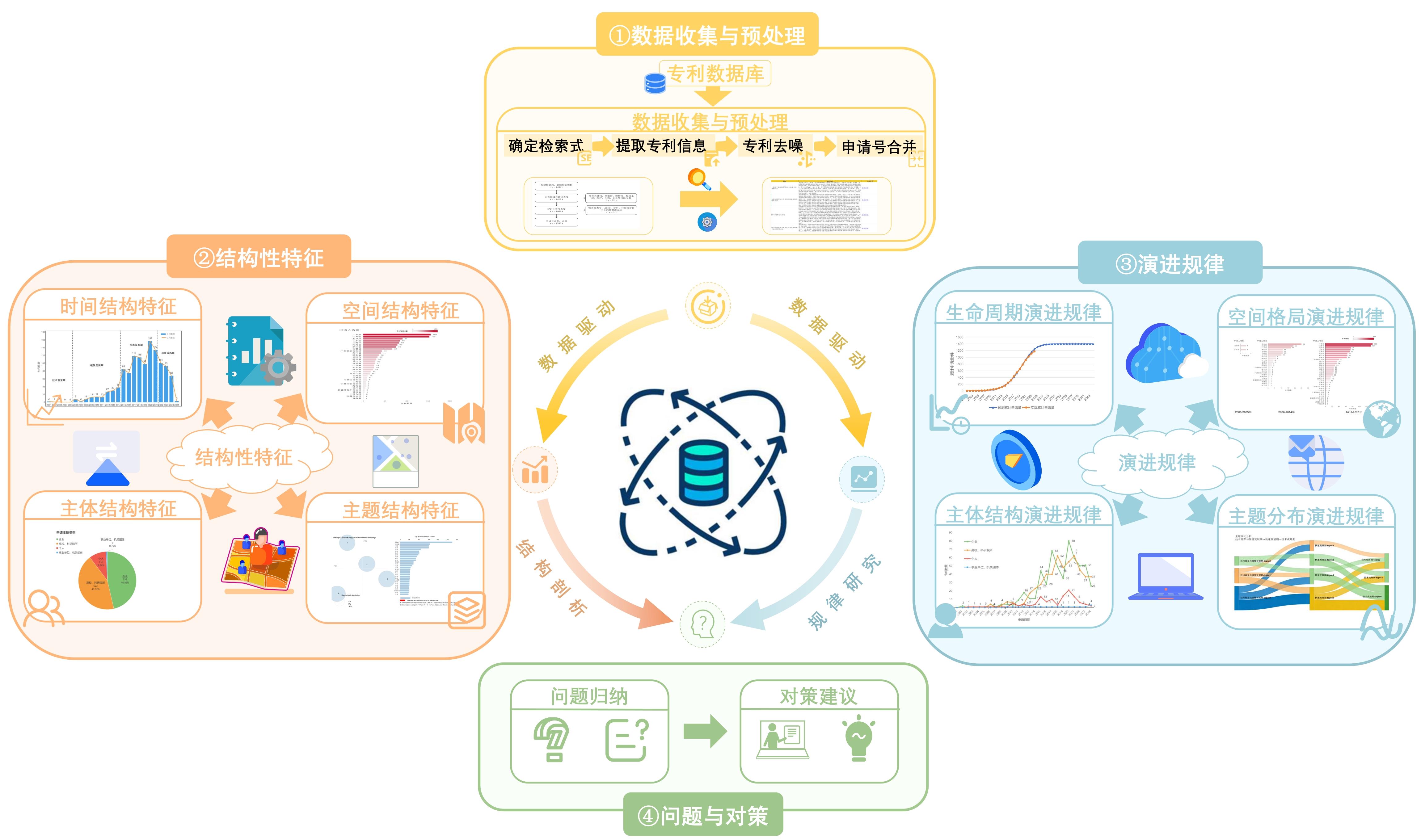
Fig.1

Research path"

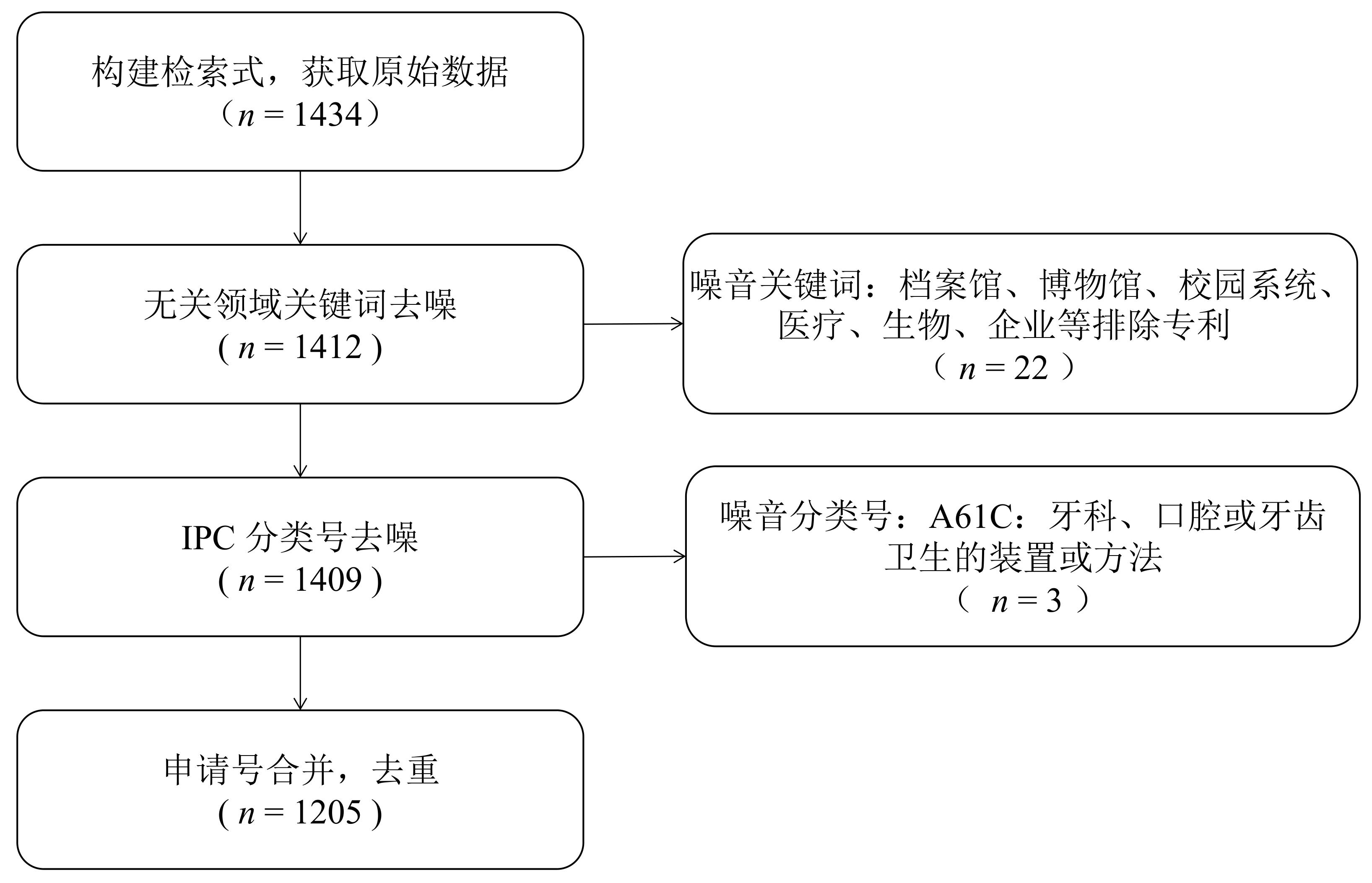
Fig.2

Patent data screening process"

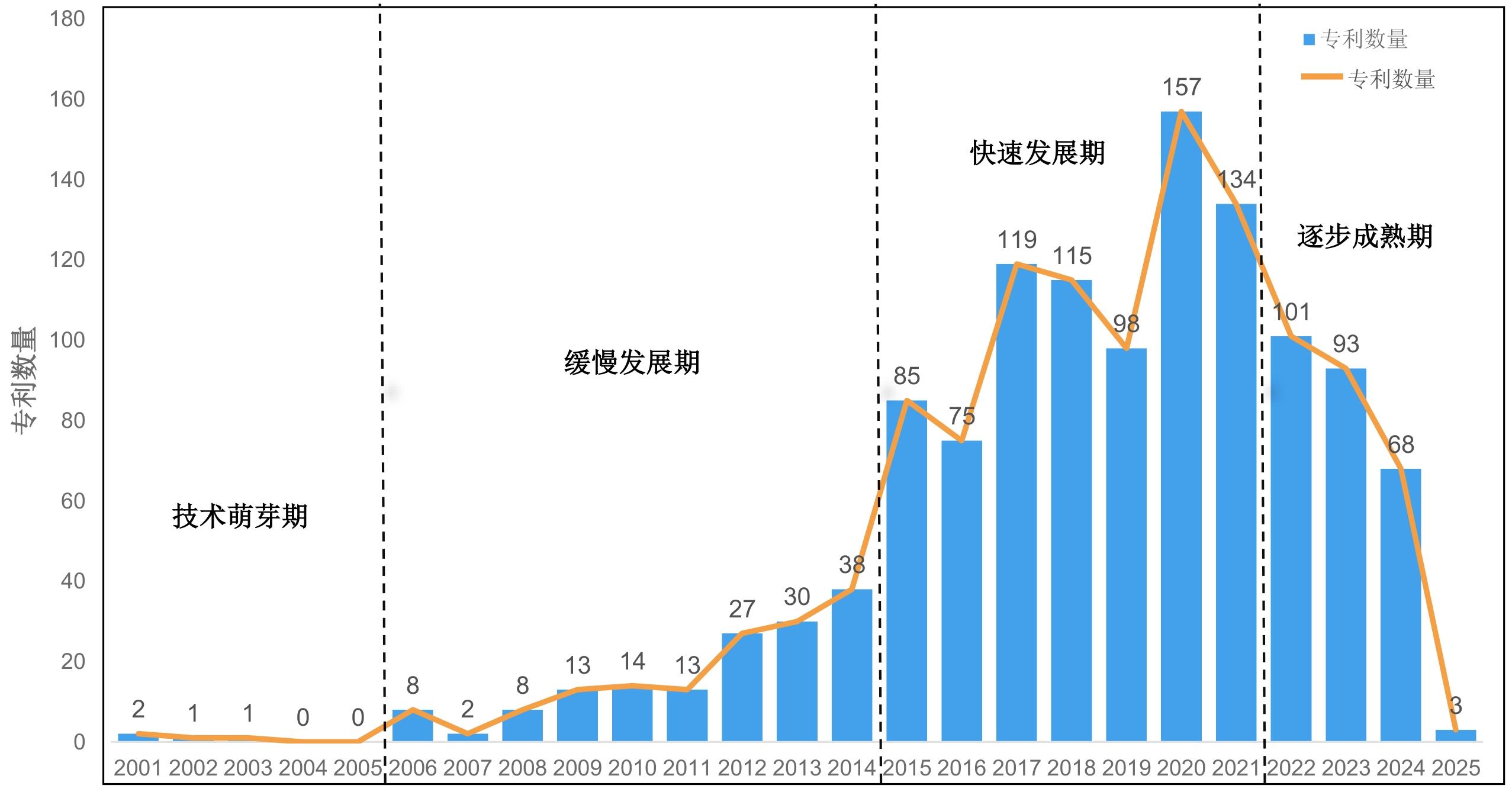
Fig.3

Annual number of patent applications related to smart library technology in China from 2001 to 2025"

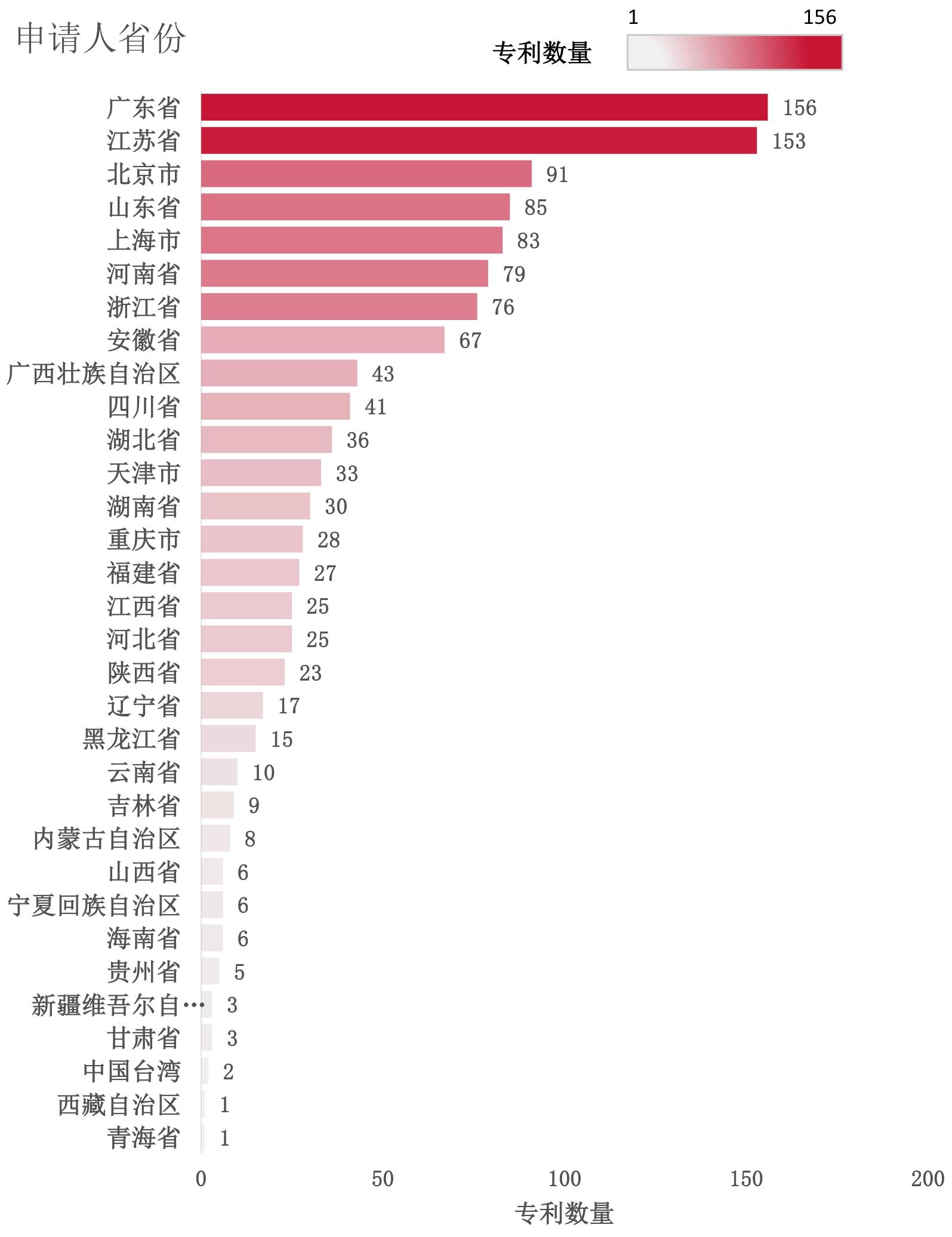
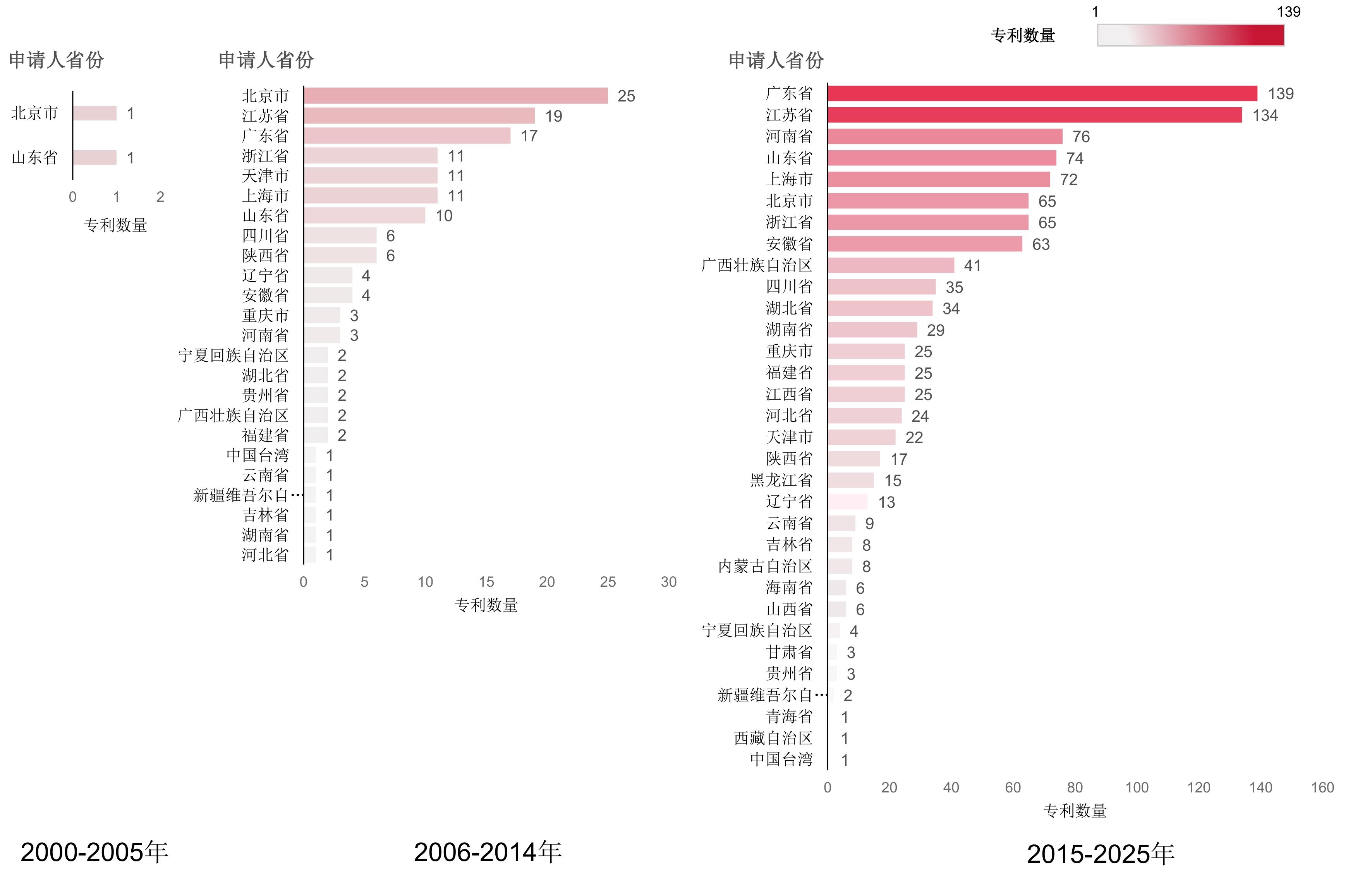
Fig.4

Regional distribution of technology-related patents for smart libraries in China"

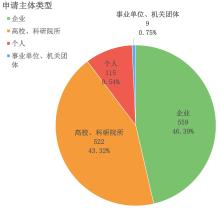
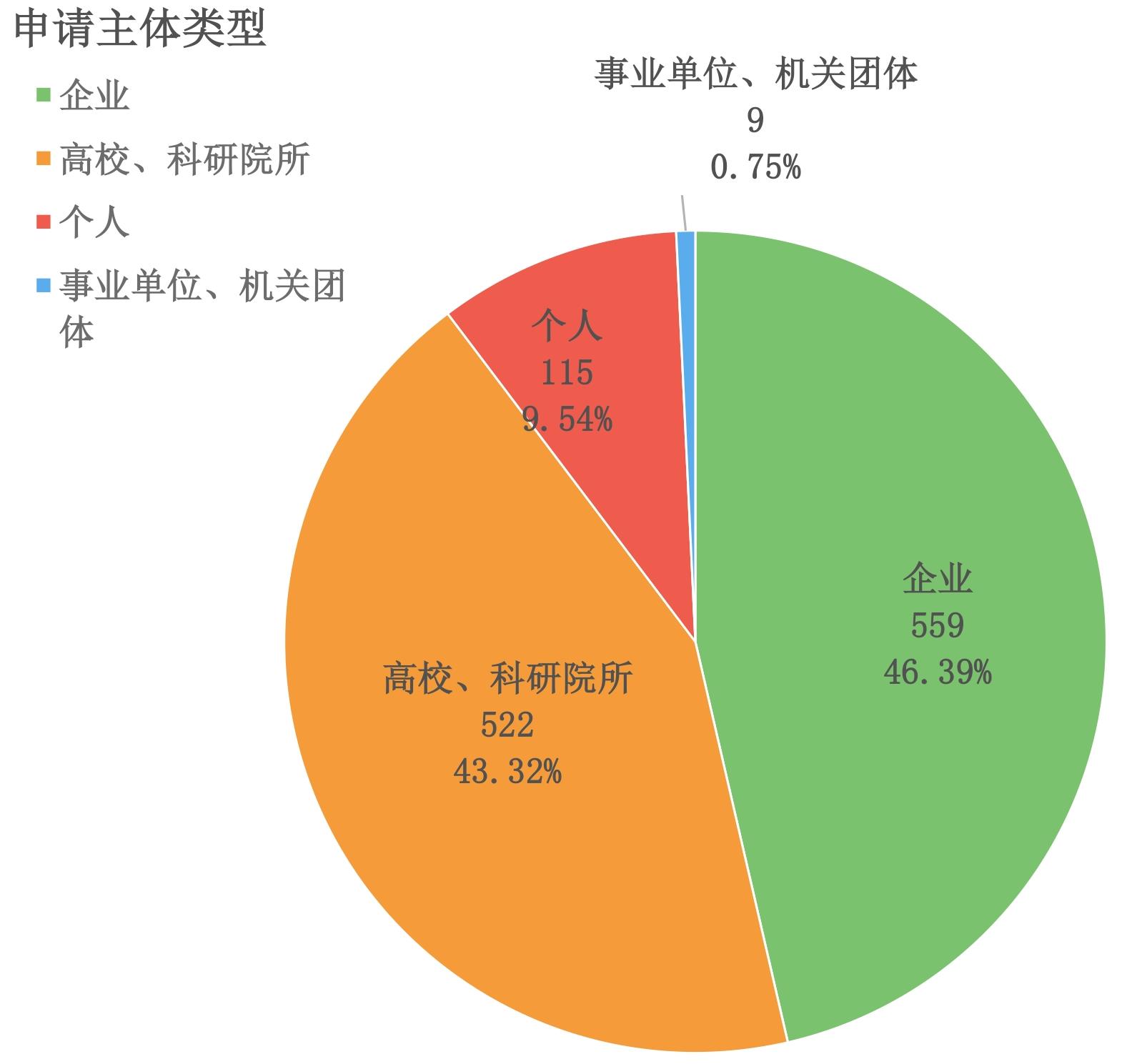
Fig.5

Distribution of applicants for technology-related patents of smart libraries in China"

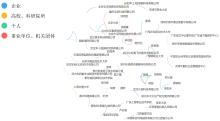
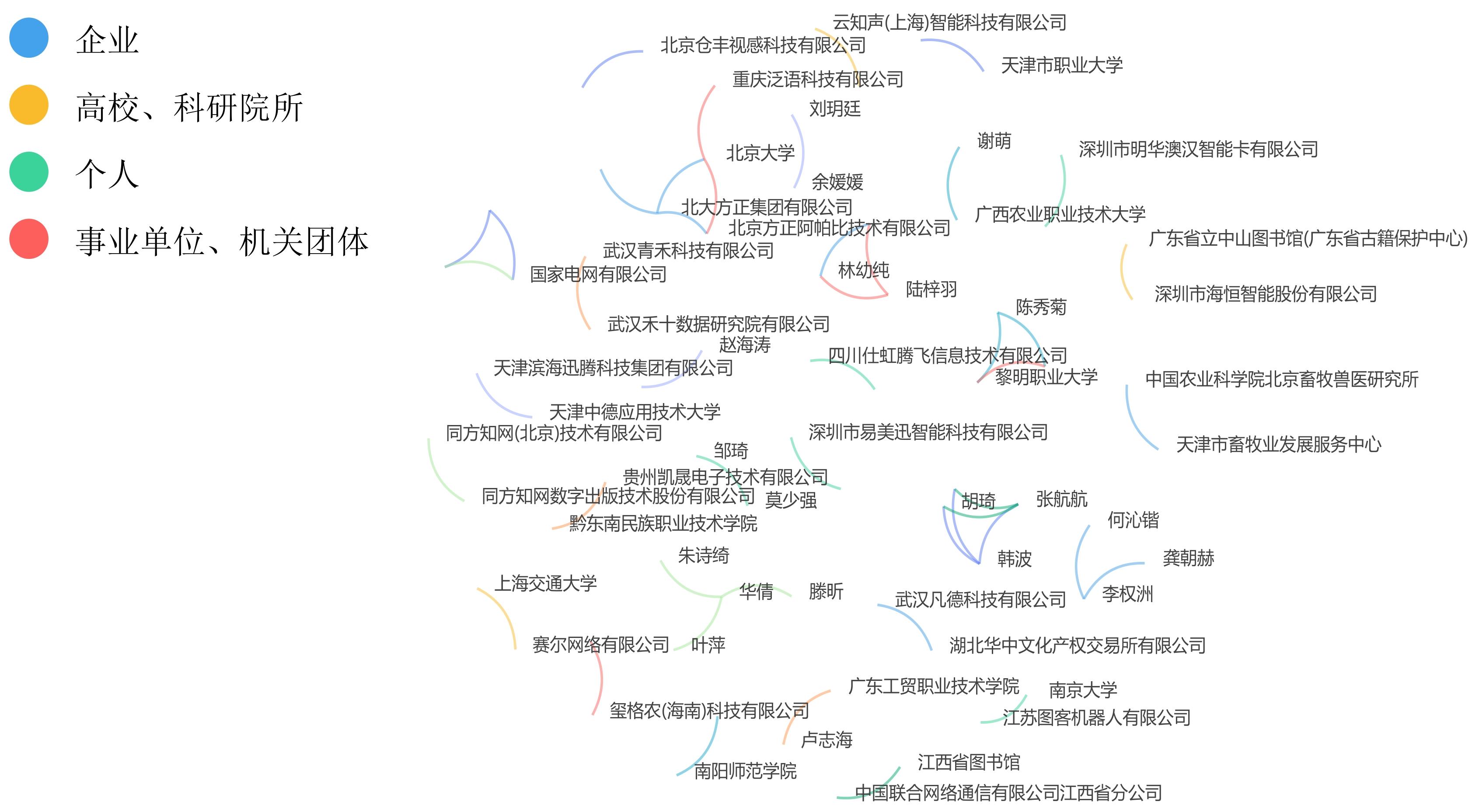
Fig.6

Research and development collaboration network of smart library technology in China"

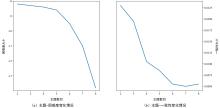
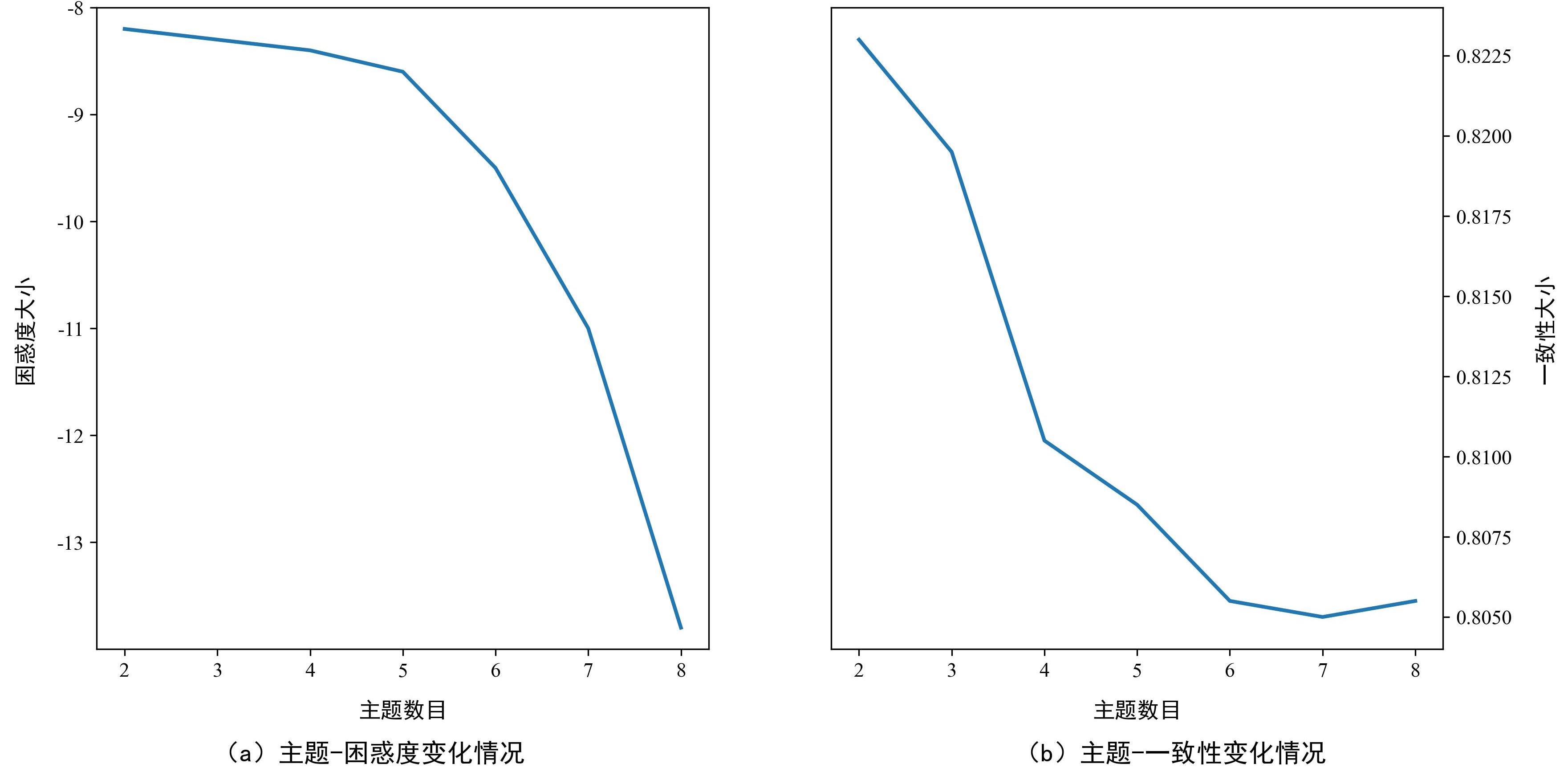
Fig.7

Topic-perplexity and topic-coherence changes"

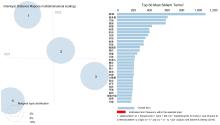
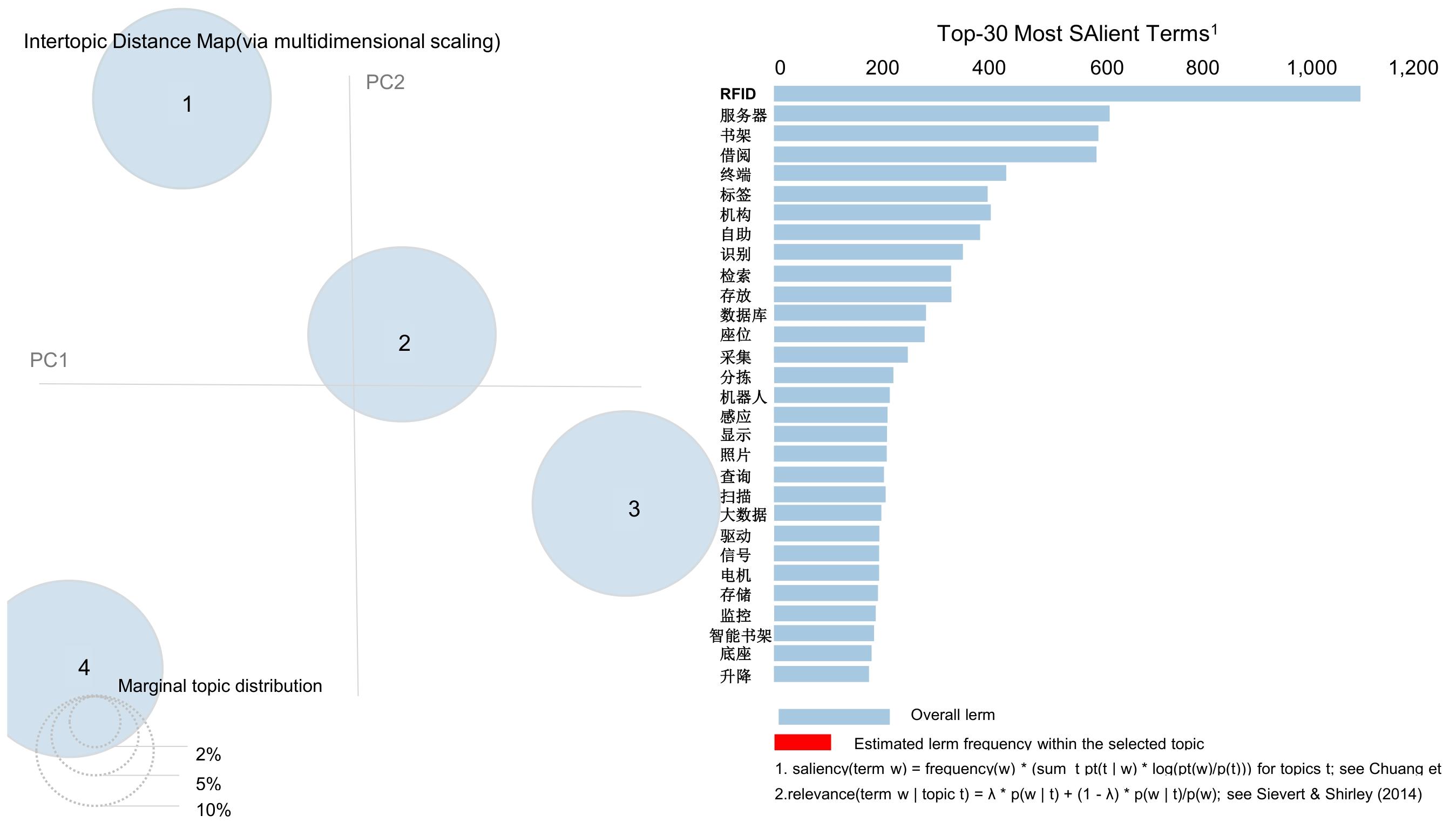
Fig.8

Visualization of clustering results when the number of topics is 4"

Table 1

Core themes of smart library technology in China and its top 20 keywords"

序号 主题1-智能标识与定位技术 主题2-数据处理与传输技术 主题3-信息检索与服务交互技术 主题4-智能设施与系统协同技术
1 标签 书架 RFID 服务器
2 识别 存放 借阅 机构
3 照片 数据库 终端 自助
4 驱动 感应 检索 分拣
5 电机 显示 座位 扫描
6 底座 查询 采集 信号
7 推荐 大数据 机器人 监控
8 阅读 分类 存储 电子标签
9 物联网 定位 智能书架 控制器
10 检测 传感器 升降 预约
11 门禁 监管 无线 芯片
12 电源 读取 计算机 发送
13 传输 书签 盘点 天线
14 网络 过滤 电动 隔层
15 电性 空间 射频 滑块
16 推车 读写器 实时 滑槽
17 云计算 架体 保护 摄像头
18 身份 书柜 记录 防尘
19 旋转 传动 图形用户界面 螺纹
20 降低 储存 箱体 微处理器

Table 2

Parameter estimates of the logistic model"

参数 估计值 标准误差 95%置信区间
下限 上限
K 1 375.845 15.584 1 343.436 1 408.254
a 1 287.590 108.880 1 061.162 1 514.018
r 0.373 0.006 0.361 0.385

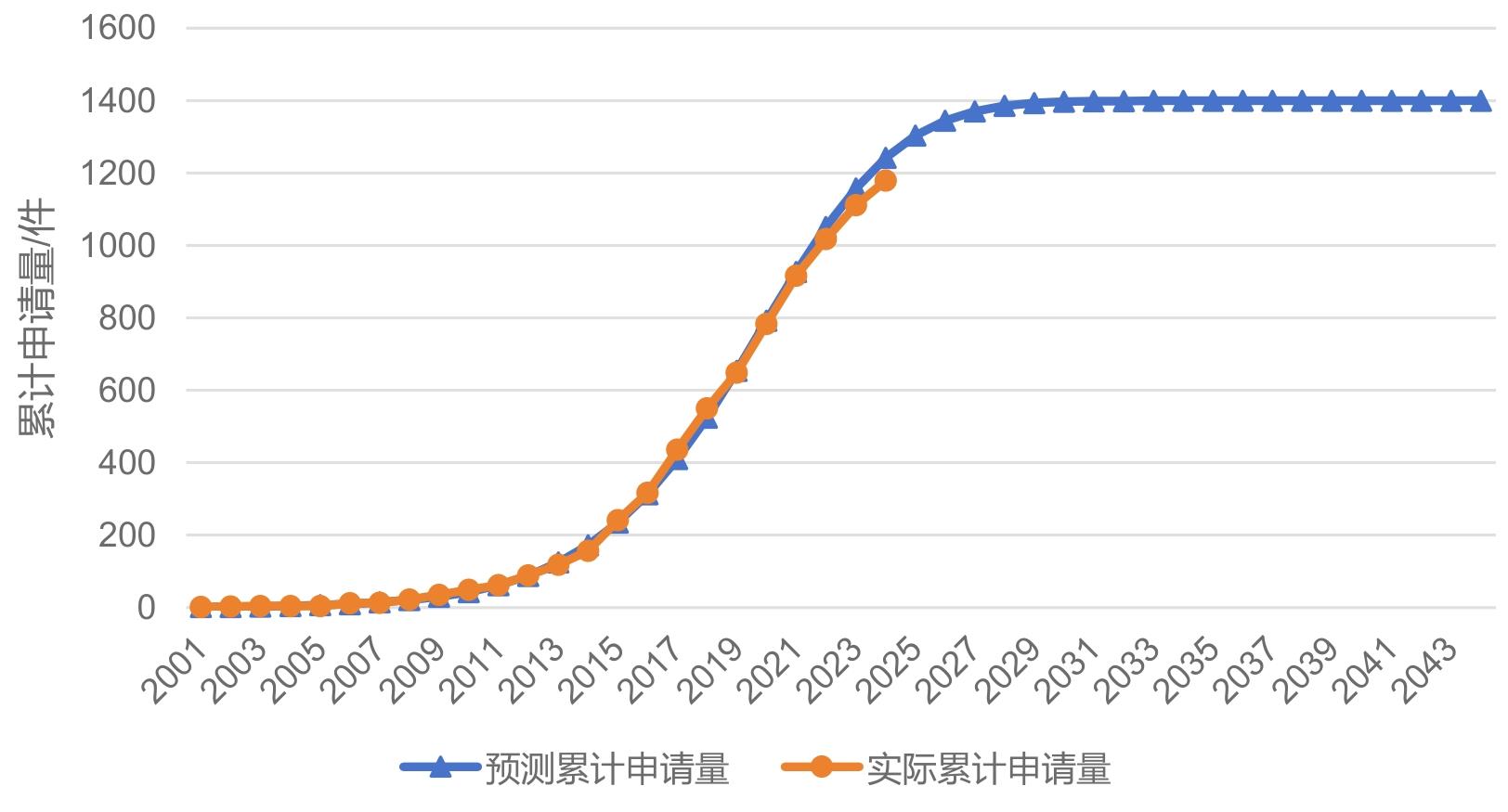
Fig.9

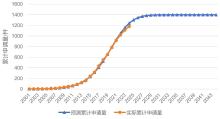
Trend of cumulative patent applications related to smart library technology in China"

Fig.10

Evolution of the regional distribution of technology-related patents for smart libraries in China"

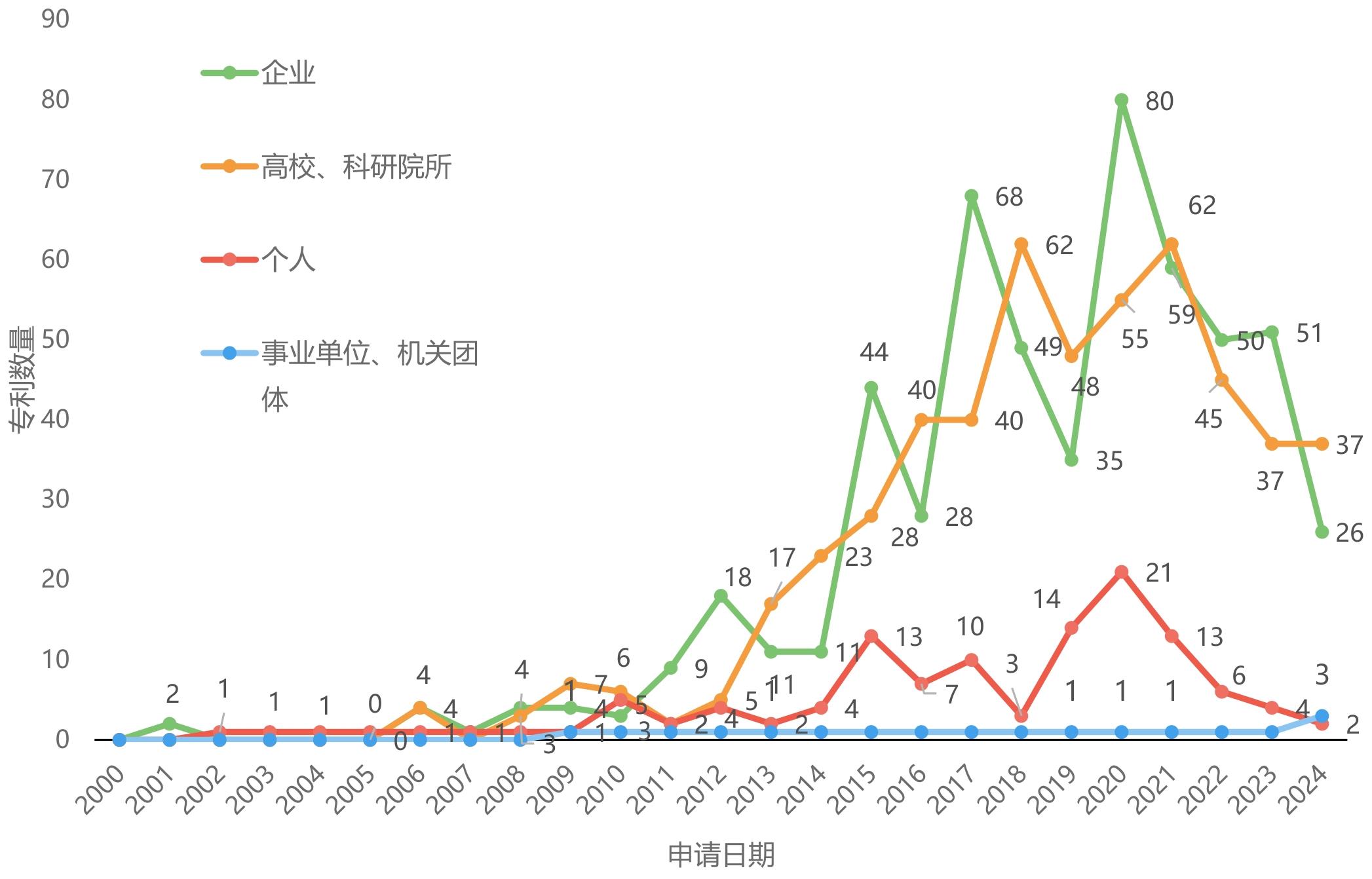
Fig.11

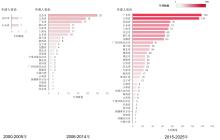
Evolution of entities applying for smart library technology patents in China"

Table 3

Themes and characteristic terms of each stage of smart library technology in China"

时期 主题名称 前10特征词

技术萌芽

和缓慢发展期

Topic0-终端信息采集 终端、书架、天线、验证、接口、采集、识读、手机、显示、读卡器
Topic1-服务器通信系统 服务器、无线、识别、查询、信号、标签、阅读器、证件、计算机、物联网
Topic2-图书馆信息管理系统 RFID、标签、视图、借阅、定位、网络、自助、读写器、门禁、存储
快速发展期 Topic0-自助信息识别 终端、RFID、自助、采集、识别、服务器、机构、书架、借阅、传感器
Topic1-借阅资源管理 服务器、RFID、标签、借阅、数据库、识别、电机、扫描、分拣、升降
Topic2-馆藏数据云计算 自助、机构、数据库、书架、借阅、标签、服务器、云计算、存储、分类
Topic3-图书馆物联系统 采集、电机、传感器、信号、分类、芯片、电源、定位、机器人、传输
逐步成熟期 Topic0-数字资源管理 存放、RFID、书架、预约、驱动、信息化、采集、螺纹、滑块、清理
Topic1-智能交互服务 标签、自助、机构、终端、机器人、显示、定位、门禁、座位、照片
Topic2-图书智能调度与推荐 借阅、查询、盘点、分类、识别、推荐、存储、分拣、降低、阅读

Table 4

Similarity of technical themes between the nascent and slow development periods and the rapid development period"

主题 Topic0 Topic1 Topic2 Topic3
Topic0 0.444 5 0.454 2 0.339 5 0.401 5
Topic1 0.434 8 0.431 8 0.359 7 0.423 9
Topic2 0.383 8 0.548 5 0.498 0 0.375 8

Table 5

Similarity of technical topics between the rapid development phase and the gradual maturation phase"

主题 Topic0 Topic1 Topic2
Topic0 0.419 4 0.439 7 0.450 1
Topic1 0.544 9 0.330 1 0.476 9
Topic2 0.417 5 0.456 7 0.377 2
Topic3 0.395 6 0.377 2 0.443 5

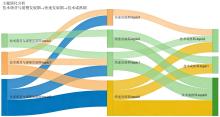
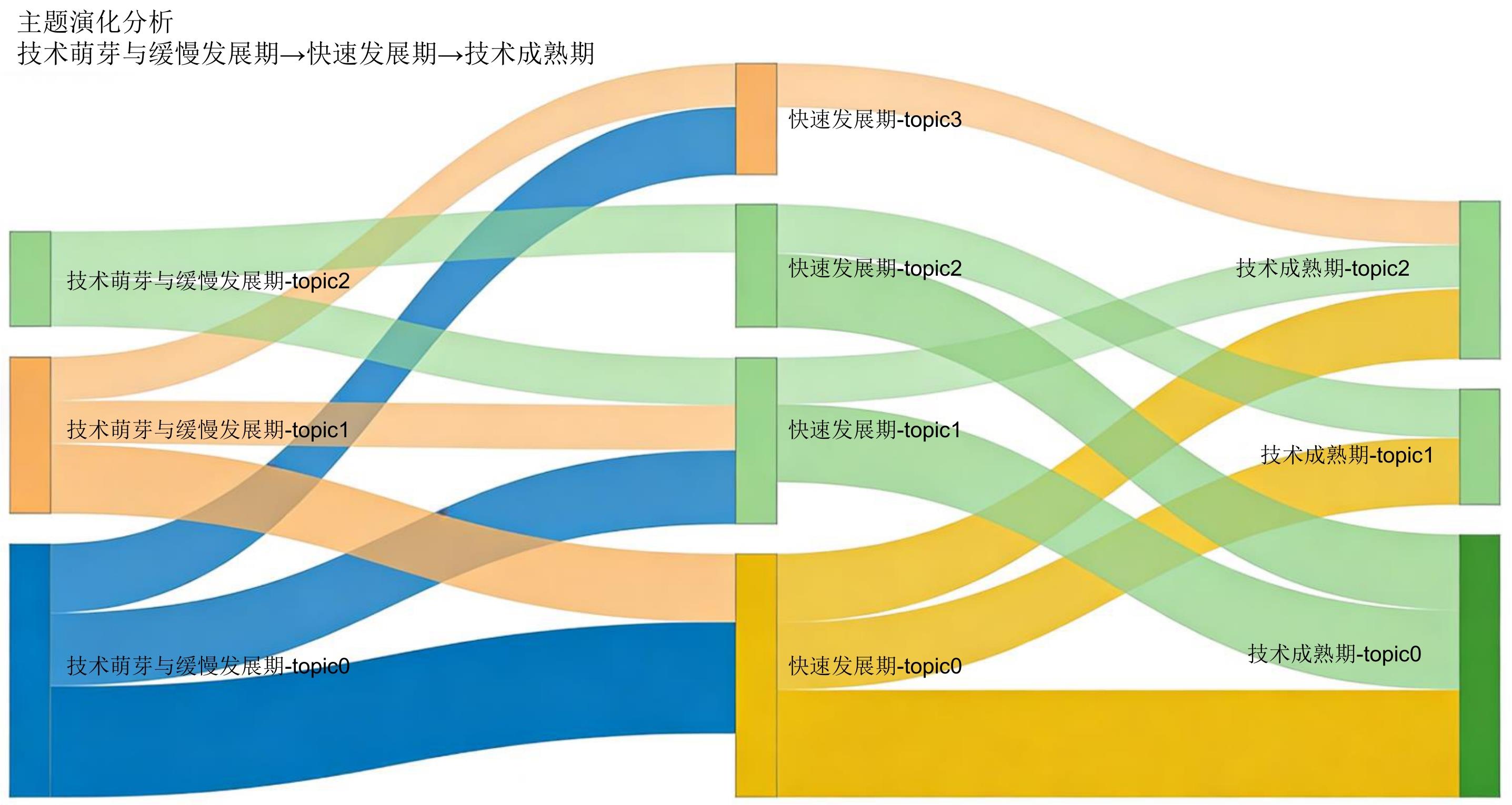
Fig.12

Dynamic evolution path of technology themes in smart libraries in China"

[1]
新华社. 中华人民共和国国民经济和社会发展第十四个五年规划和2035年远景目标纲要[EB/OL]. [2021-03-13].
[2]
中共中央办公厅, 国务院办公厅. 关于推进实施国家文化数字化战略的意见[EB/OL]. [2022-05-22].
[3]
刘金哲. 下一代互联网发展趋势对图书馆智慧化转型的启示[J]. 图书馆理论与实践, 2024(2): 66-71.
Liu Jinzhe. Insights into the smart transformation of library in light of the development trends of the next generation Internet[J]. Library Theory and Practice, 2024(2): 66-71.
[4]
王家玲. 基于区块链技术的高校阅读推广服务系统构建及实现路径[J]. 图书馆工作与研究, 2025(4): 65-75.
Wang Jialing. System construction and implementation paths of university reading promotion service based on blockchain technology[J]. Library Work and Study, 2025(4): 65-75.
[5]
曾粤亮, 吕晓龙. 我国公共文化数字化的实践探索与发展重点[J]. 图书情报知识, 2024, 41(3): 60-71.
Zeng Yueliang, Lv Xiaolong. Practical exploration and development focuses of the digitalization of public culture in China[J]. Document, Information & Knowledge, 2024, 41(3): 60-71.
[6]
蔡娜娜, 韩齐. 新质生产力赋能智慧图书馆的实现路径[J]. 科技管理研究, 2025, 45(17): 256-262.
Cai Nana, Han Qi. The implementation pathways of new quality productive forces empowering smart libraries[J]. Science and Technology Management Research, 2025, 45(17): 256-262.
[7]
Gul S, Bano S. Smart libraries: An emerging and innovative technological habitat of 21st century[J]. The Electronic Library, 2019, 37(5): 764-783.
[8]
Aittola M, Ryhänen T, Ojala T. Smart library-location-aware mobile library service[C]//Human-Computer Interaction with Mobile Devices and Services. Berlin, Heidelberg: Springer, 2003: 411-416.
[9]
Moiseeva N A. Artificial intelligence technologies in information and library systems[J]. Scientific and Technical Libraries, 2024(5): 85-101.
[10]
Cheung H C, Lo Y Y M, Chiu D K W, et al. Development of smart academic library services with Internet of Things technology: A qualitative study in Hong Kong[J]. Library Hi Tech, 2025, 43(1): 398-422.
[11]
储节旺, 樊鑫鑫. 智能体在智慧图书馆中的应用: 特征能力、体系框架与构建路径[J]. 图书情报工作, 2025, 69(14): 52-60.
Chu Jiewang, Fan Xinxin. Application of agents in smart libraries: Feature capabilities, system framework, and development path[J]. Library and Information Service, 2025, 69(14): 52-60.
[12]
窦金花, 李畅. 基于知识图谱的我国智慧公共文化服务研究现状、热点及趋势分析[J]. 包装工程, 2023, 44(20): 97-107.
Dou Jinhua, Li Chang. Research status, hotspots and trends of domestic smart public cultural services based on knowledge graphs[J]. Packaging Engineering, 2023, 44(20): 97-107.
[13]
吴丹, 郭清玥, 杨馨梅, 等. 智慧图书馆场景下数据与知识双驱动方法创新研究[J]. 中国图书馆学报, 2025, 51(5): 37-53.
Wu Dan, Guo Qingyue, Yang Xinmei, et al. Methodological innovation on dual data-and knowledge-driven approach for smart library scenarios[J]. Journal of Library Science in China, 2025, 51(5): 37-53.
[14]
于兴尚, 樊舒, 赵发珍, 等. 暗数据驱动的智慧图书馆服务决策体系构建研究[J]. 图书馆学研究, 2025(3): 81-90.
Yu Xingshang, Fan Shu, Zhao Fazhen, et al. Research on the construction of dark-data-driven service decision-making system in intelligent libraries[J]. Research on Library Science, 2025(3): 81-90.
[15]
Khomo M P, Naicker N, Chisita C T, et al. Factors contributing to the successful development and use of mobile digital libraries: A systematic literature review[J]. Digital Library Perspectives, 2023, 39(3): 353-370.
[16]
Ekstrand M, Strandberg L. Technological trends in Swedish medical libraries[J]. Health Information & Libraries Journal, 2023, 40(3): 326-331.
[17]
胡娟, 柯平. 我国智慧图书馆的发展现状与发展趋势研究[J]. 图书馆建设, 2022(2): 80-89, 101.
Hu Juan, Ke Ping. Research on development status and trend of smart library in China[J]. Library Development, 2022(2): 80-89, 101.
[18]
卢燕群. 人工智能赋能图书馆智慧服务——基于多源融合数据的智能问答实践[J]. 图书馆论坛, 2025, 45(12): 130-139.
Lu Yanqun. AI-empowered smart library services: Intelligent question-answering practice based on multisource data fusion[J]. Library Tribune, 2025, 45(12): 130-139.
[19]
贺聪, 杨静, 肖雄, 等. AI时代背景下高校图书馆资源建设效能评估体系构建——北京理工大学图书馆的实践探索[J]. 农业图书情报学报, 2025, 37(10): 96-111.
He Cong, Yang Jing, Xiao Xiong, et al. Construction of efficiency evaluation system for university library resource construction under the background of AI era: Practical exploration of Beijing institute of technology library[J]. Journal of Library and Information Science in Agriculture, 2025, 37(10): 96-111.
[20]
张铭洁, 赵瑞雪. ChatGPT驱动的智慧图书馆情感感知与服务优化[J]. 农业图书情报学报, 2024, 36(12): 74-88.
Zhang Mingjie, Zhao Ruixue. Emotion perception and service optimization in ChatGPT-driven smart libraries[J]. Journal of Library and Information Science in Agriculture, 2024, 36(12): 74-88
[21]
乔晋华, 马雪赟. LLaMA人工智能大模型在高校未来学习中心应用的风险与规制[J]. 农业图书情报学报, 2025, 37(2): 37-48.
Qiao Jinhua, Ma XueBin, Yun. Risks and regulations for application of the LLaMA model in university future learning centers[J]. Journal of Library and Information Science in Agriculture, 2025, 37(2): 37-48.
[22]
Hamad F, Al-Fadel M, Fakhouri H. The provision of smart service at academic libraries and associated challenges[J]. Journal of Librarianship and Information Science, 2023, 55(4): 960-971.
[23]
丁遒劲, 苏静. 面向生成式人工智能(AIGC)的图书馆信息资源建设优化策略研究[J]. 图书情报工作, 2024, 68(18): 23-31.
Ding Qiujin, Su Jing. Research on the optimization strategies for library information resources construction oriented to the development of AIGC[J]. Library and Information Service, 2024, 68(18): 23-31.
[24]
陈一, 向妮, 鲍秀爽. 智慧图书馆知识服务: 关键要素、典型场景与未来展望[J]. 图书馆论坛, 2025, 45(10): 40-50.
Chen Yi, Xiang Ni, Bao Xiushuang. Smart library knowledge services: Key elements, typical scenarios and development prospects[J]. Library Tribune, 2025, 45(10): 40-50.
[25]
夏军营, 汪焕成. 智慧图书馆数据合规路径构建研究[J]. 图书馆, 2024(11): 53-59.
Xia Junying, Wang Huancheng. Research on the construction of data compliance path in smart libraries[J]. Library, 2024(11): 53-59.
[26]
Corrado E M. Cybersecurity and libraries[J]. Technical Services Quarterly, 2024, 41(1): 82-95.
[27]
刘木子, 陈润好. 我国图书馆标准体系建设: 框架搭建、逻辑进路和未来走向[J]. 国家图书馆学刊, 2024, 33(2): 12-24.
Liu Muzi, Chen Runhao. Construction of Chinese library standard system: Framework construction, logical progression and future direction[J]. Journal of the National Library of China, 2024, 33(2): 12-24.
[28]
Lehmann S. Reimagining the library of the future. from social condenser and community hub to regenerative design[J]. Public Library Quarterly, 2024, 43(2): 223-259.
[29]
马翠嫦, 王蕾. 整合、关联、深化: 高校图书馆联盟智慧化发展的模式特征与路径逻辑[J]. 图书馆论坛, 2026, 46(1): 24-33.
Ma Cuichang, Wang Lei. Integration, correlation and deepening: Models and pathways for smart development of university library consortia[J]. Library Tribune, 2026, 46(1): 24-33.
[30]
韩艳芳, 蔡培. 批判算法视角的我国智慧图书馆风险、成因及对策[J]. 图书与情报, 2025(2): 95-103.
Han Yanfang, Cai Pei. Risks, causes, and suggestions in China smart libraries from the perspective of critical algorithms[J]. Library and Information, 2025(2): 95-103.
[31]
Schmoch U. Indicators and the relations between science and technology[J]. Scientometrics, 1997, 38(1): 103-116.
[32]
马建红, 王晨曦, 闫林, 等. 基于产品生命周期的专利技术主题演化分析[J]. 情报学报, 2022, 41(7): 684-691.
Ma Jianhong, Wang Chenxi, Yan Lin, et al. Analysis of patent technology topic evolution based on product life cycle[J]. Journal of the China Society for Scientific and Technical Information, 2022, 41(7): 684-691.
[33]
中华人民共和国国务院.国家中长期科学和技术发展规划纲要(2006-2020年)[EB/OL]. [2006-02-09].
[34]
中华人民共和国国务院. 中华人民共和国公共图书馆法[EB/OL]. [2017-11-05].
[35]
Li Zhengxin, Nie Feiping, Wang Rong, et al. A revised formation of trace ratio LDA for small sample size problem[J]. IEEE Transactions on Neural Networks and Learning Systems, 2025, 36(3): 5803-5809.
[1] XIAO Yufan, CHEN Rui, HUANG Ying. Exploring University Roles in the Innovation Value Chain: A Comparative Study of China's C9 League and the U.S. Ivy League [J]. Journal of library and information science in agriculture, 2025, 37(6): 87-101.
[2] LIU Ting, ZHAO Yajuan. Review and Prospect of Research on Technology Opportunity Identification [J]. Journal of library and information science in agriculture, 2023, 35(7): 4-17.
[3] GUAN Peng, WANG Yuefen, HUANG Qin, YE Longsheng, FU Zhu. Research on the Impact of Regional Innovation Cooperation Network on Technological Innovation Performance: Based on the Yangtze River Delta [J]. Journal of library and information science in agriculture, 2021, 33(6): 40-53.
[4] YANG Aihua. Open Stacks Books Arrangement from the Perspective of Smart Libraries: Discussing the Criteria for Books Arrangement in the Provincial Public Libraries for the Sixth National Public Library Assessment [J]. Journal of library and information science in agriculture, 2020, 32(12): 87-96.
[5] TONG Jinhong. Service Function of University Library Based on Technological Innovation [J]. Journal of library and information science in agriculture, 2018, 30(3): 194-196.
[6] ZHAO Hongbo, GUAN Daping. Research on the Creation of Makerspace for Small and Micro Enterprises Driven by Libraries [J]. Journal of library and information science in agriculture, 2018, 30(11): 104-107.
[7] GUO Xichuan, LU Yao, WANG Ting, YUAN Xue. Characteristic analysis of the world agricultural innovation based on patent family [J]. Journal of library and information science in agriculture, 2017, 29(8): 11-16.
[8] WANG Yilin. Study on Technological Innovation Evaluation and Management of Universities Based on Patent Achievements——Taking Fujian Agriculture and Forestry University as Example [J]. Journal of library and information science in agriculture, 2017, 29(8): 76-83.
[9] LIU Minhui1, LI Chunyan1, CAO Keling1, LU Junbo2. Strategic Analysis on Patent Production and Capacity of Scientific and Technological Innovation among Yunnan’s Universities [J]. Journal of library and information science in agriculture, 2017, 29(7): 89-94.
[10] HE Hua-rong, GUO Ling-ling, DONG Rui-xia, ZHANG Dan, WENG Guo-hua. The Service Role of Agricultural Scientific and Technological Journal in the Technological Innovation of rice case Study of Fujian Science and Technology of Rice and Wheat [J]. Journal of library and information science in agriculture, 2016, 28(3): 150-155.
[11] CHEN Jie, HOU Wei. Innovation Efficiency Evaluation of National Technology Innovation System Based on DEA [J]. Journal of library and information science in agriculture, 2014, 26(4): 5-9.
Viewed
Full text


Abstract

Cited

  Shared   
  Discussed   
No Suggested Reading articles found!