

• •
李丹, 冯丹冉
收稿日期:2025-09-12
出版日期:2025-12-19
作者简介:李丹(1984- ),女,博士,副教授,硕士生导师,研究方向为博弈论、机制设计
冯丹冉(2002- ),女,硕士研究生,研究方向为博弈论、人工智能
基金资助:LI Dan, FENG Danran
Received:2025-09-12
Online:2025-12-19
摘要:
【目的/意义】 通过构建复杂网络演化博弈模型,剖析企业研发生成式人工智能技术决策的微观影响因素及用户群体的交互作用对技术扩散的影响,旨在推动生成式人工智能技术健康发展与有效扩散。 【方法/过程】 通过构建复杂网络演化博弈模型,运用Matlab进行数值仿真,探究各因素对生成式人工智能技术扩散效果的影响。 【结果/结论】 1)用户使用比例的提升有效推动生成式人工智能技术的扩散,且用户适度的依赖行为会进一步加速这一扩散进程;2)政府补贴在用户使用比例和网络中研发技术企业初始占比较低时,对技术扩散的促进作用更为显著。但随着比例的提升,补贴的边际效应会逐渐减弱;3)相较于成本差值,企业研发生成式人工智能技术与不研发相比所带来的收益差值对技术扩散效果的影响更为显著;4)生成式人工智能技术的外溢效应可能引发其他企业的搭便车行为,从而不利于技术的扩散,同时,技术成熟度较低会降低用户对技术的信任,进而抑制技术的广泛传播。研究结果为政策制定者和企业实践者提供了有价值的参考,以促进生成式人工智能技术的健康发展和有效扩散。
中图分类号: F046.2
李丹, 冯丹冉. 基于复杂网络演化博弈的生成式人工智能技术扩散研究[J/OL]. 农业图书情报学报. https://doi.org/10.13998/j.cnki.issn1002-1248.25-0493.
LI Dan, FENG Danran. Diffusion of Generative Artificial Intelligence Technology Based on Complex Network Evolutionary Game[J/OL]. Journal of library and information science in agriculture. https://doi.org/10.13998/j.cnki.issn1002-1248.25-0493.
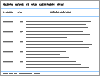
表1
模型参数说明"
| 参数 | 含义 | 参数 | 含义 |
|---|---|---|---|
| 生成式人工智能技术产出的产品或服务的价格 | 技术的外溢比例 | ||
| 生成式人工智能技术带来的产品或服务的生产函数 | 生成错误信息的可能性 | ||
| 生成式人工智能技术的研发成本 | 损失金额 | ||
| 政府对生成式人工智能技术企业的研发补贴 | 企业的市场机会损失成本 | ||
| 延续性技术产出的产品或服务的价格 | 用户使用技术给企业带来的潜在收益 | ||
| 延续性技术带来的产品或服务的生产函数 | 网络中研发生成式人工智能技术企业的比例 | ||
| 延续性技术的成本 | 网络中生成式人工智能技术用户总数 | ||
| 网络中生成式人工智能技术企业总数 | 用户使用生成式人工智能技术的比例 | ||
| 用户的依赖程度 |
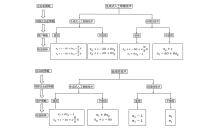
图1
企业分别采用生成式人工智能技术和延续性技术策略的收益矩阵"
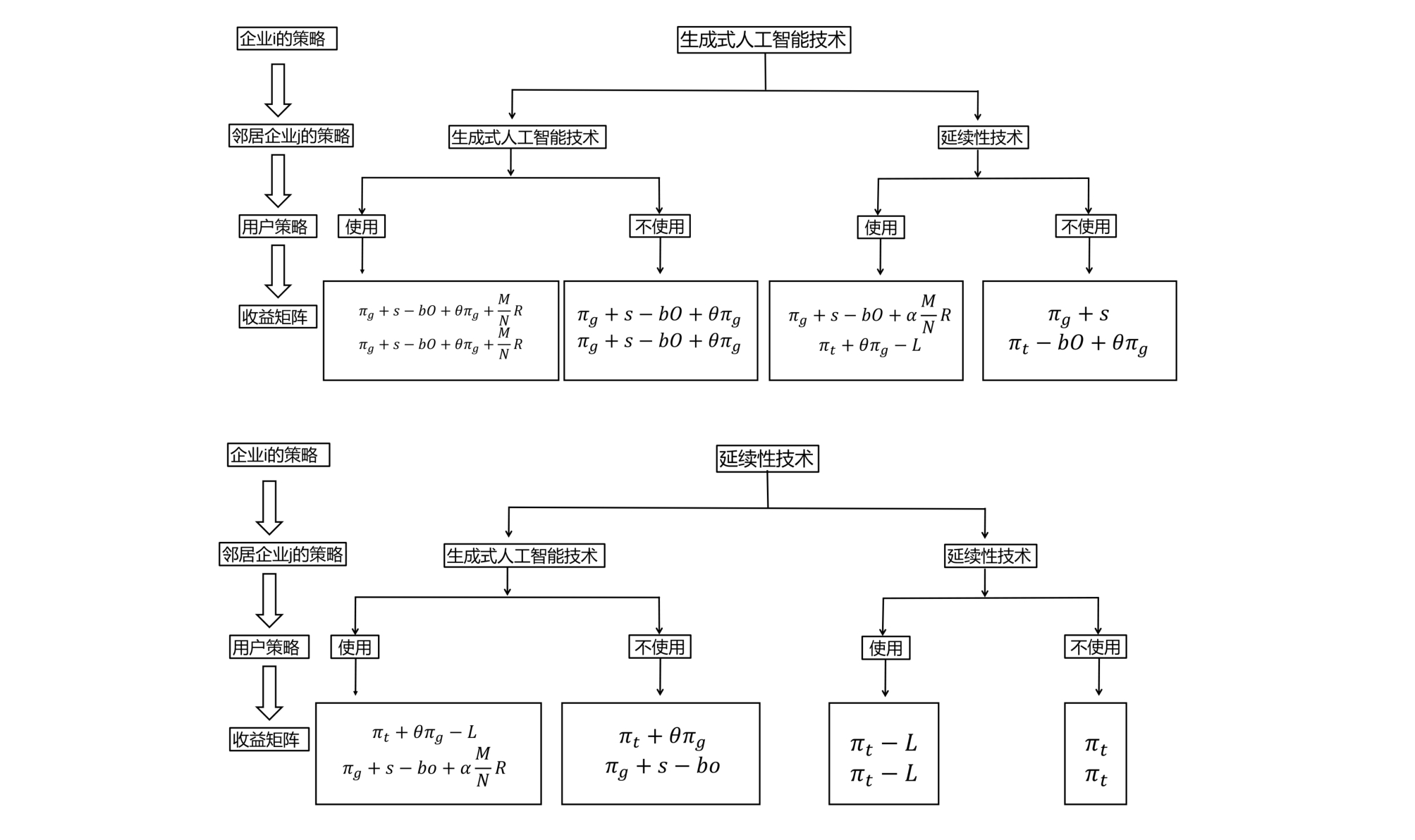
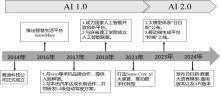
图2
商汤科技有限公司发展历史"
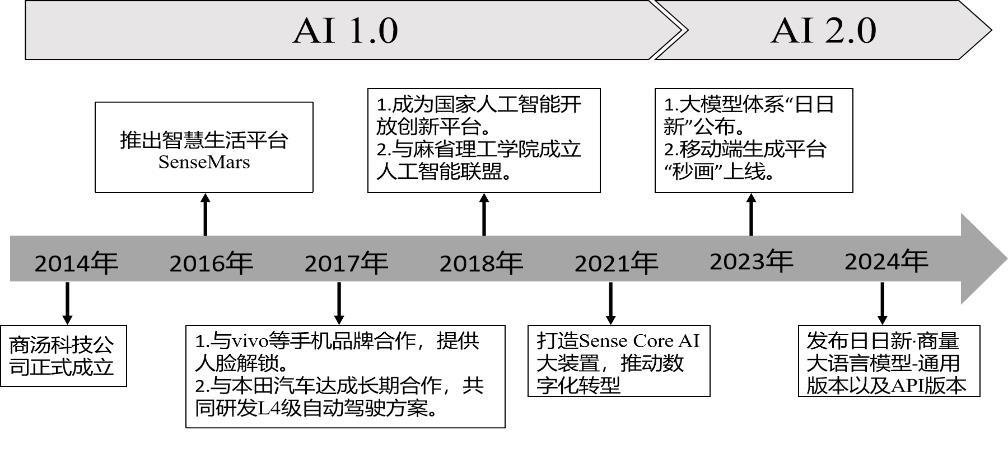
表2
参数设置"
| 0.015 | 3 000 | 34 | 0.024 | 2 400 | 40 | 5 | 200 | 408 |
| 0.25 | 0.3 | 5 | 35 | 0.72 | 0.65 | 0.1 | 0.08 | 0.05 |
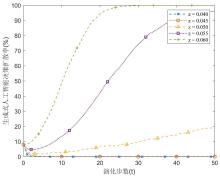
图3
用户使用比例 z变化对技术扩散的影响"
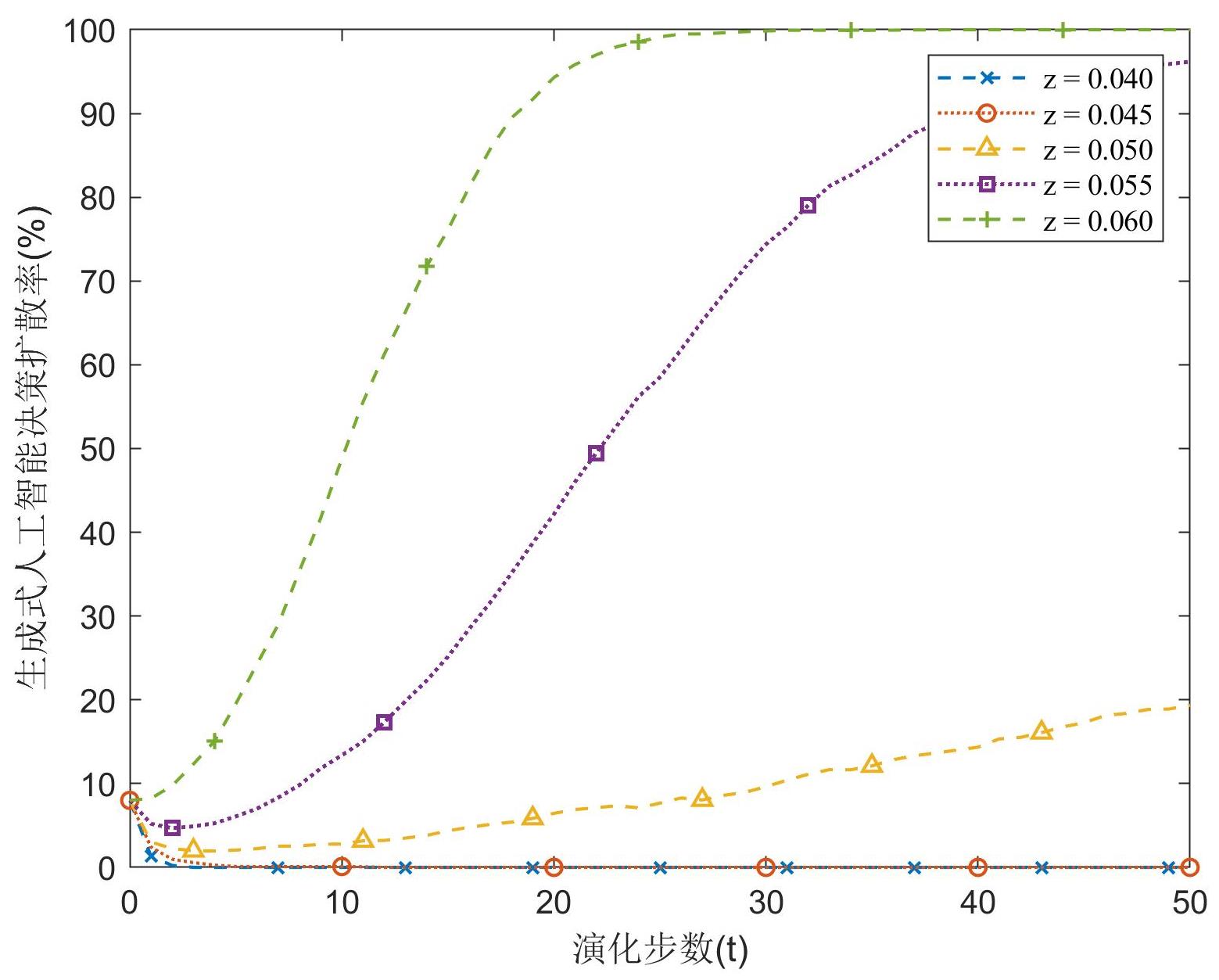
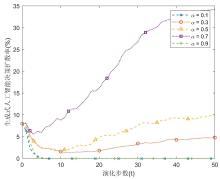
图4
依赖行为 α对技术扩散的影响"
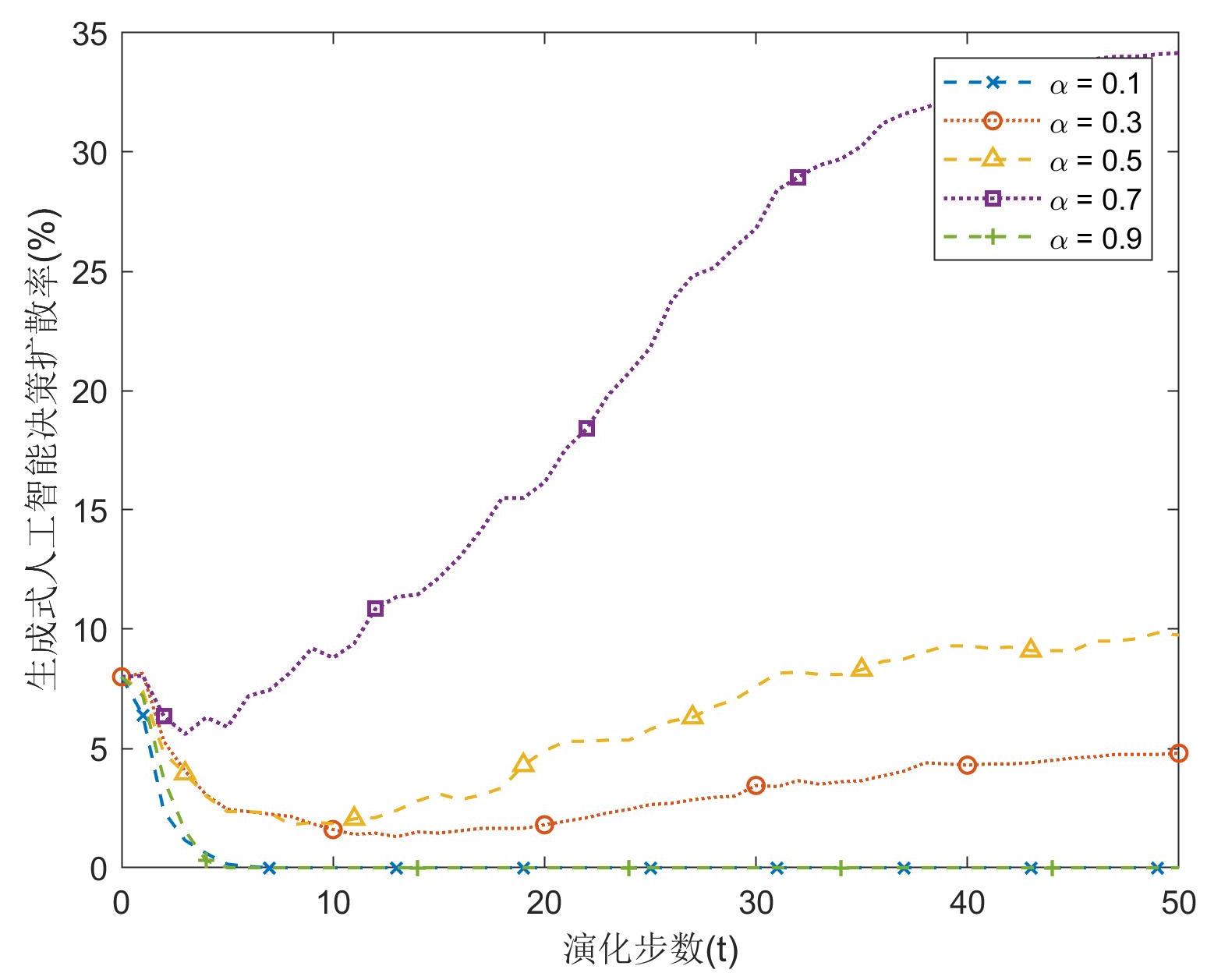
图5
用户使用比例 z不同,政府补贴 s对技术扩散的影响"
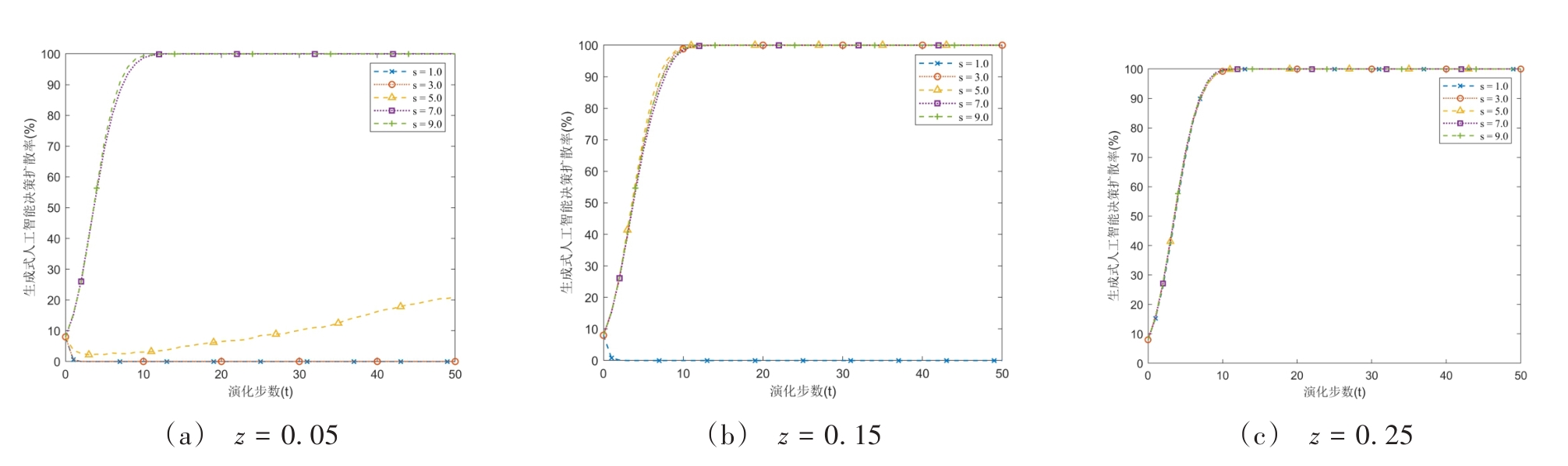
图6
企业初始比例 λ不同,政府补贴 s对技术扩散的影响"

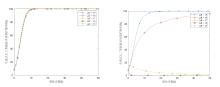
图7
生成式人工智能技术增加的额外收益和成本对技术扩散的影响"
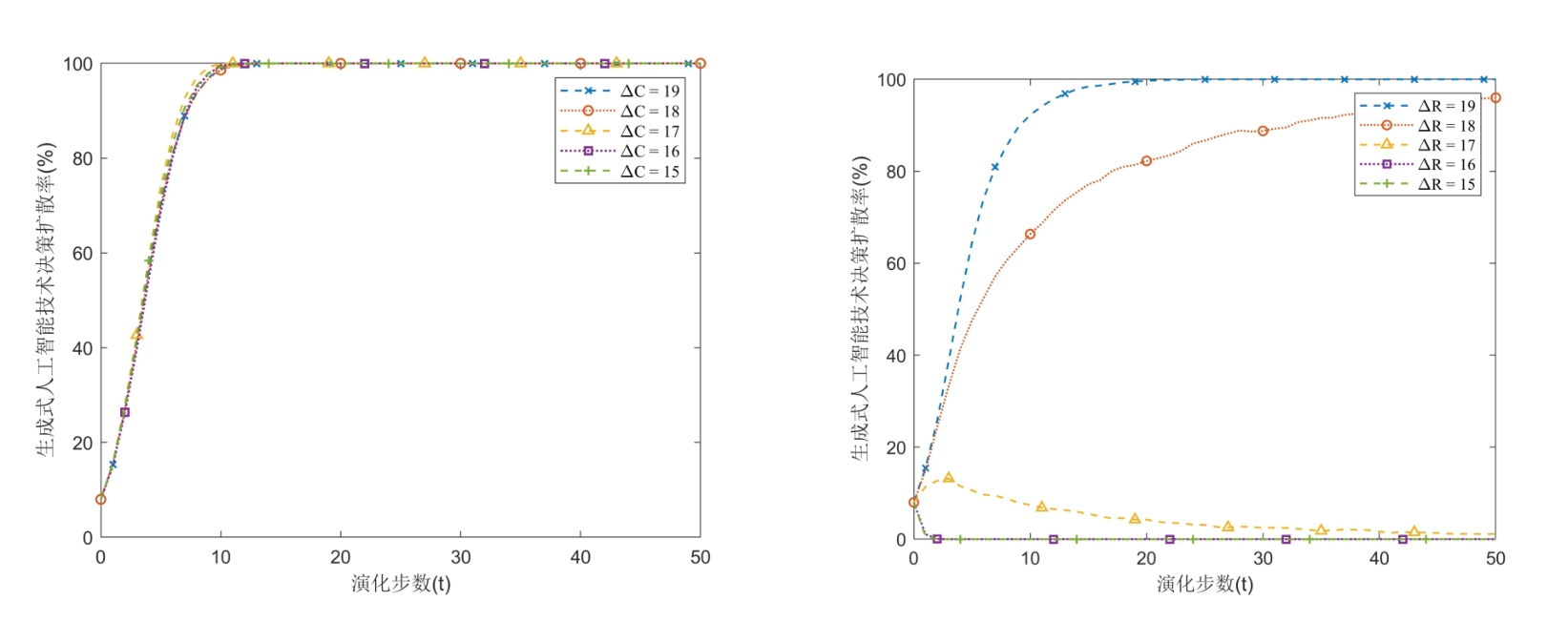
图8
生成式人工智能生成错误信息的可能性 b对技术扩散的影响"
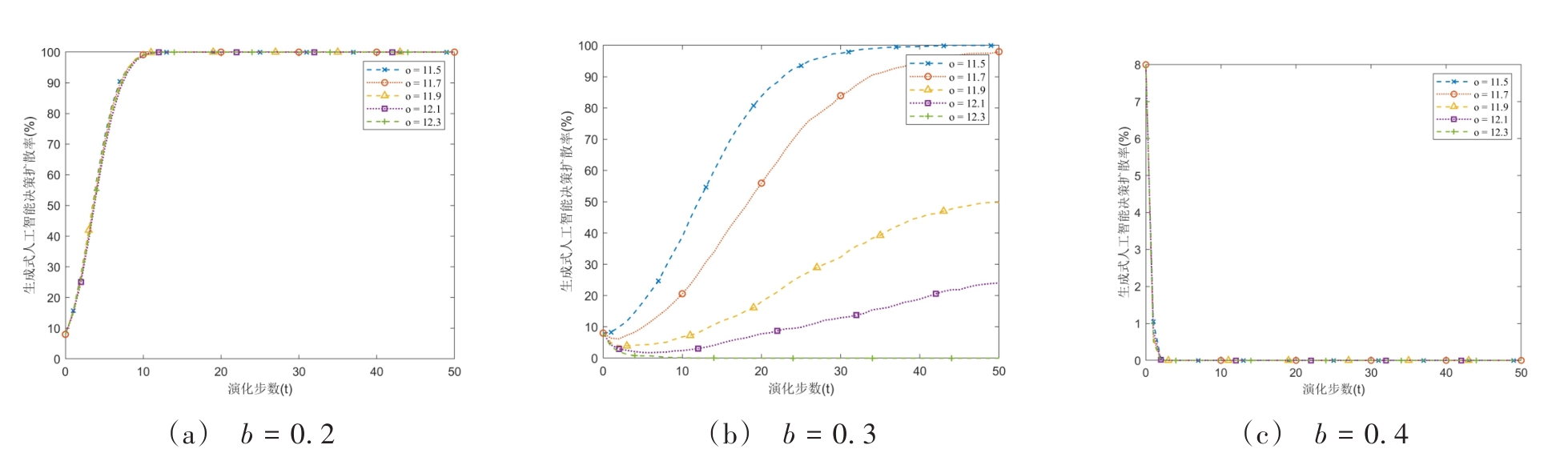
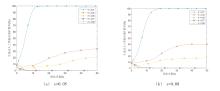
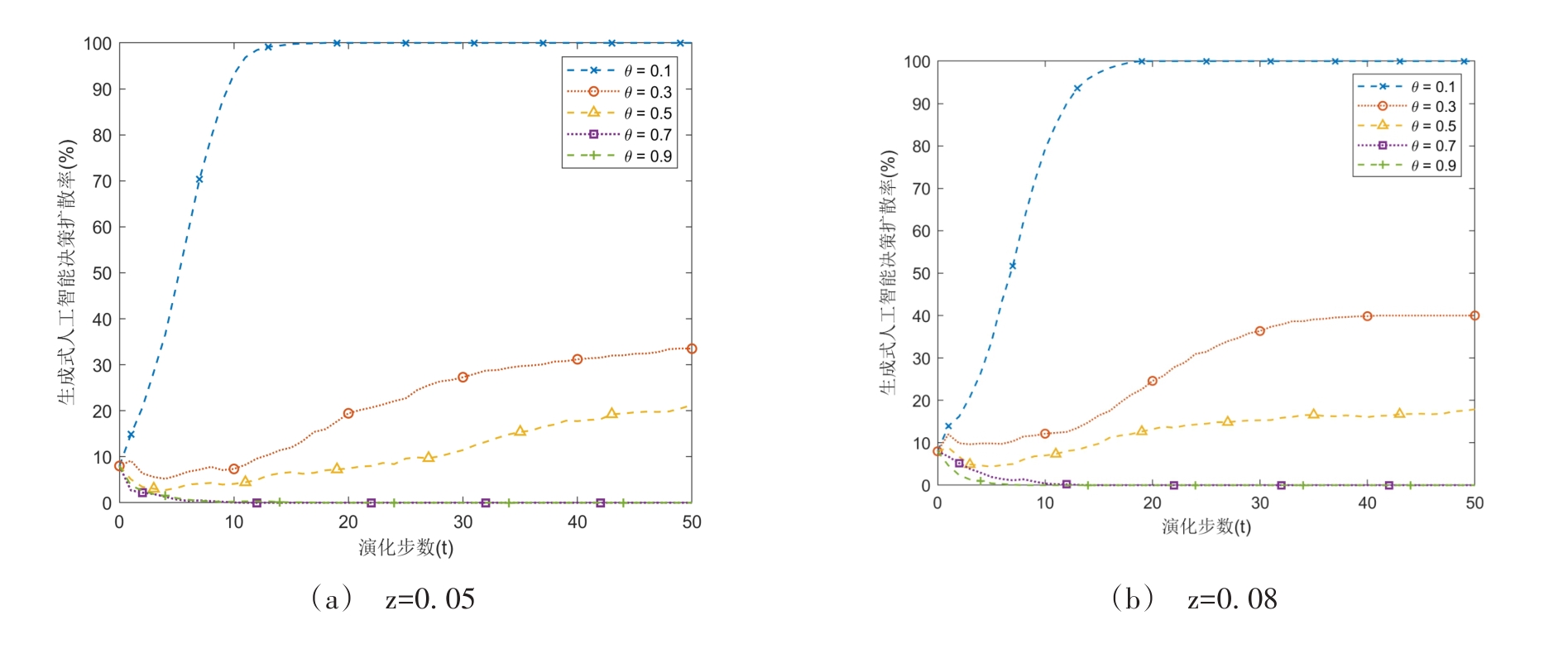
图9
外溢比例 θ对技术扩散的影响"
| [1] |
简泽, 谭利萍, 吕大国, 等. 市场竞争的创造性、破坏性与技术升级[J]. 中国工业经济, 2017(5): 16-34.
|
|
|
|
| [2] |
余波, 郭蕾, 温亮明, 等. 近20年我国情报学研究进展及未来趋势分析: 以《情报学进展》载文为例[J]. 图书情报工作, 2018, 62(21): 127-139.
|
|
|
|
| [3] |
|
| [4] |
汤贞友, 谢艺婕. 生成式人工智能数据使用的版权侵权风险及其治理[J]. 中国出版, 2024(21): 56-61.
|
|
|
|
| [5] |
何郁冰, 林欣慧. 基于复杂网络演化博弈的颠覆性技术扩散研究[J]. 软科学, 2024, 38(6): 28-36.
|
|
|
|
| [6] |
许佳琪, 汪雪锋, 雷鸣, 等. 从突破性创新到颠覆性创新: 内涵、特征与演化[J]. 科研管理, 2023, 44(2): 1-13.
|
|
|
|
| [7] |
|
| [8] |
张凌寒, 于琳. 从传统治理到敏捷治理: 生成式人工智能的治理范式革新[J]. 电子政务, 2023(9): 2-13.
|
|
|
|
| [9] |
刘成, 莫生叶. 生成式人工智能应用中的意识形态安全边界厘清、风险监测及规制理路——基于DeepSeek、Manus、ChatGPT、Sora的思考[J/OL]. 重庆大学学报(社会科学版), 2025: 1-14.
|
|
|
|
| [10] |
陆卫明, 张文, 王明. 全球人工智能治理从“共识”到“共治”: 动力、挑战与路径[J]. 西安交通大学学报(社会科学版), 2025, 45(2): 63-77.
|
|
|
|
| [11] |
王芳, 朱学坤, 刘清民, 等. 生成式人工智能研究进展[J]. 图书与情报, 2024(4): 45-64.
|
|
|
|
| [12] |
张文杰. 提示词治理: DeepSeek等国产大模型内容生成的人机协同模式[J]. 苏州大学学报(哲学社会科学版), 2025, 46(4): 169-180.
|
|
|
|
| [13] |
姚加权, 张锟澎, 郭李鹏, 等. 人工智能如何提升企业生产效率?: 基于劳动力技能结构调整的视角[J]. 管理世界, 2024, 40(2): 101-116, 133, 117-122.
|
|
|
|
| [14] |
林晓玥, 吴冲. 生成式人工智能管理的研究综述及展望[J]. 软科学, 2025, 39(4): 83-91.
|
|
|
|
| [15] |
张展培, 梁洁莹, 刘小勇, 等. 生成式人工智能、就业变动与收入不平等[J]. 南方经济, 2024(8): 45-69.
|
|
|
|
| [16] |
罗映宇, 朱国玮, 钱无忌, 等. 人工智能时代的算法厌恶: 研究框架与未来展望[J]. 管理世界, 2023, 39(10): 205-233.
|
|
|
|
| [17] |
朱光辉, 王喜文. ChatGPT的运行模式、关键技术及未来图景[J]. 新疆师范大学学报(哲学社会科学版), 2023, 44(4): 113-122.
|
|
|
|
| [18] |
谢梅, 王世龙. ChatGPT出圈后人工智能生成内容的风险类型及其治理[J]. 新闻界, 2023(8): 51-60.
|
|
|
|
| [19] |
姜智彬, 周杨. 阶段型颠覆式创新: 生成式人工智能对广告产业的影响研究[J]. 编辑之友, 2023(11): 59-66.
|
|
|
|
| [20] |
官建成, 张西武. 政府中介机构及补贴政策对技术创新扩散速度的影响: 技术政策研究[J]. 系统工程理论与实践, 1995, 15(8): 6-12.
|
|
|
|
| [21] |
|
| [22] |
王佰川, 杜创. 人工智能技术创新扩散的特征、影响因素及政府作用研究: 基于A股上市公司数据[J]. 北京工业大学学报(社会科学版), 2022, 22(3): 142-158.
|
|
|
|
| [23] |
谢荣见, 贾玉财, 周小虎, 等. 异质网络环境下绿色技术创新扩散决策研究[J/OL]. 科研管理, 2024: 1-14.
|
|
|
|
| [24] |
张帆, 伍晨. 政策选择、企业创新模式与后发企业追赶[J]. 软科学, 2023, 37(8): 1-8.
|
|
|
|
| [25] |
|
| [26] |
|
| [27] |
|
| [28] |
陈帅朴, 刘政昊, 姚志臻, 等. 基于三方演化博弈的智能诊疗服务推广研究[J]. 现代情报, 2025, 45(12): 142-154.
|
|
|
|
| [29] |
周文杰, 杨阳. 数据要素管理[M]. 北京: 知识产权出版社, 2025.
|
|
|
|
| [30] |
王璐, 马庆庆, 杨劫, 等. 基于复杂网络演化博弈的绿色消费者对新能源汽车扩散的影响研究[J]. 中国管理科学, 2022, 30(4): 74-85.
|
|
|
|
| [31] |
王林辉, 钱圆圆, 周慧琳, 等. 人工智能技术冲击和中国职业变迁方向[J]. 管理世界, 2023, 39(11): 74-93.
|
|
|
|
| [32] |
|
| [33] |
|
| [34] |
侯剑华, 刘恒一, 李丹阳. 专利组合对企业技术扩散的影响研究: 以新能源汽车领域为例[J]. 情报理论与实践, 2025, 48(5): 138-146, 157.
|
|
|
|
| [35] |
陈锐, 江奕辉. 生成式AI的治理研究: 以ChatGPT为例[J]. 科学学研究, 2024, 42(1): 21-30.
|
|
|
|
| [36] |
陈晨. 论人工智能生成内容的可版权性问题: 以ChatGPT生成内容为例[J]. 科技与出版, 2023(6): 98-106.
|
|
|
|
| [37] |
何大安, 吴振宇. 生成式AI前景与企业选择行为[J]. 社会科学战线, 2024(9): 95-105.
|
|
|
|
| [38] |
周涛, 张春雷, 邓胜利. 基于C-A-C的生成式AI用户间歇性中辍行为研究[J]. 现代情报, 2025, 45(3): 40-50, 64.
|
|
|
|
| [39] |
|
| [40] |
马阅欢, 方佳明, 杨慧颖, 等. 机器的觉醒: 生成式AI溯源、演进与展望[J]. 南开管理评论, 2024, 27(4): 66-77.
|
|
|
|
| [41] |
何大安. 生成式AI、企业竞争路径与产业组织架构[J]. 求索, 2024(5): 61-71.
|
|
|
|
| [42] |
郭小东. 生成式人工智能的风险及其包容性法律治理[J]. 北京理工大学学报(社会科学版), 2023, 25(6): 93-105, 117.
|
|
|
|
| [43] |
赵宇翔, 景雨田, 宋士杰, 等. AIGC赋能的提示素养: 生成式AI时代的人智交互能力重构[J]. 情报资料工作, 2025, 46(3): 14-25.
|
|
|
|
| [44] |
马银琦, 黄恒, 毋磊, 等. “技术赋能”还是“工具依赖”: 生成式人工智能对研究生科研创新力的影响研究[J]. 电化教育研究, 2024, 45(12): 58-66.
|
|
|
|
| [45] |
李婉红, 李娜. 基于复杂网络的制造企业智能化转型动态博弈及仿真: 考虑政府与消费者的驱动效应[J]. 软科学, 2022, 36(3): 39-47.
|
|
|
|
| [46] |
柳光强. 税收优惠、财政补贴政策的激励效应分析: 基于信息不对称理论视角的实证研究[J]. 管理世界, 2016, 32(10): 62-71.
|
|
|
|
| [47] |
谢逢洁. 复杂网络上的博弈[M]. 北京: 清华大学出版社, 2016.
|
|
|
|
| [48] |
路世昌, 仪宣彤, 李丹, 等. 制造企业数字化转型决策两阶段复杂网络博弈仿真分析[J]. 软科学, 2024, 38(5): 29-38.
|
|
|
|
| [49] |
李飞云, 苏秦, 张子鸣. 基于复杂网络的区块链技术扩散研究: 考虑政府、企业和消费者偏好的影响[J]. 科技管理研究, 2025, 45(9): 165-174.
|
|
|
|
| [50] |
郭海玲, 卫金金, 刘仲山. 生成式人工智能虚假信息协同共治研究[J]. 情报杂志, 2024, 43(9): 121-129, 165.
|
|
|
| [1] | 沈洪杰, 沈洪伟, 王均莉. 生成式AI赋能数字图书馆信息素养教育:路径探索、挑战分析与应对策略[J]. 农业图书情报学报, 2025, 37(7): 50-60. |
| [2] | 翟军, 孟子涵, 李方苏, 沈立新. AI4S背景下北美研究型图书馆AI指南研究——基于对125所ARL图书馆的调研[J]. 农业图书情报学报, 2025, 37(7): 35-49. |
| [3] | 夏苏迪, 张帅, 张淑敏, 谢靖. 服务生态系统环境下在线医疗社区知识共享演化博弈分析[J]. 农业图书情报学报, 2025, 37(6): 37-54. |
| [4] | 施栩婕, 袁帆, 李佳. 生成式人工智能环境下的搜索即学习:技术路径、行为演化与伦理挑战[J]. 农业图书情报学报, 2025, 37(5): 40-57. |
| [5] | 张丽, 王博, 张琪晶. 生成式人工智能驱动公共图书馆资源发现:基于动态评价模型的服务优化研究[J]. 农业图书情报学报, 2025, 37(5): 58-71. |
| [6] | 张涛, 吕骞慧. 欧美生成式人工智能治理实践对中国的启示研究[J]. 农业图书情报学报, 2025, 37(4): 12-23. |
| [7] | 苟芮可, 罗卫. AIGC平台“Z世代”用户持续使用意愿影响因素研究[J]. 农业图书情报学报, 2025, 37(3): 66-80. |
| [8] | 乔晋华, 马雪赟. LLaMA人工智能大模型在高校未来学习中心应用的风险与规制[J]. 农业图书情报学报, 2025, 37(2): 37-48. |
| [9] | 李汇淼, 牛晓宏, 马卓, 郭沫含. 预印本平台利益主体决策的演化博弈研究[J]. 农业图书情报学报, 2025, 37(2): 75-87. |
| [10] | 郭文丽. AIGC时代的图书馆学五定律:情境融合与边界拓展[J]. 农业图书情报学报, 2025, 37(10): 22-36. |
| [11] | 罗国锋, 易童, 闫舟舟. 面向AIGC应用的高校图书馆批判性信息素养教育研究[J]. 农业图书情报学报, 2025, 37(1): 47-58. |
| [12] | 孙丽娟. 新质生产力视域下公共图书馆员向提示词馆员转型探索[J]. 农业图书情报学报, 2025, 37(1): 17-32. |
| [13] | 李白杨, 孙榕. 基于“知识-技能”导航的人工智能素养通识教育课程构建[J]. 农业图书情报学报, 2024, 36(8): 34-42. |
| [14] | 李华明. 机遇与挑战:ChatGPT赋能图书馆知识服务中的应用研究[J]. 农业图书情报学报, 2024, 36(8): 96-105. |
| [15] | 刘佳. 基于生成式人工智能的智能图书馆服务创新与风险规避[J]. 农业图书情报学报, 2024, 36(7): 63-75. |
|
||