中文    English

Journal of library and information science in agriculture


Evaluation of Provincial Public Data Resource Development and Utilization Policies: From the Perspective of the PMC Index Model

CHEN Xiying, TANG Qiong()   

  1. Department of Information Management, Sun Yat-sen University, Guangzhou 510006
  • Received:2026-06-15 Online:2026-09-05
  • Contact: TANG Qiong

Abstract:

[Purpose/Significance] As a national foundational strategic resource, public data resources play an important driving role in advancing national governance modernization and accelerating socioeconomic development through unleashing the potential of data elements. Systematically evaluating provincial-level public data resource development and utilization policies in China helps reveal the strengths and weaknesses of policy design and provides a scientific basis for policy makers to optimize policy frameworks. Existing research mainly focuses on horizontal comparisons or vertical evaluations of policy texts across different levels of government or conducts policy analysis within specific regions. Given the disparities in digital infrastructure, economic development, data resource endowments, and governance capabilities in China, these differences may lead to regional heterogeneity in the effectiveness of public data resource utilization policies. This study focuses on provincial policies across China's seven major geographic administrative regions to carry out policy quality assessment and regional comparison analysis. [Method/Process] This study used ROST CM6.0 to perform content mining on 66 policy documents. By analyzing high-frequency keywords and key content, it constructs an evaluation framework for provincial public data resource utilization policies. Drawing on variables from prior studies and characteristics of policy texts, the study established nine primary variables and 52 secondary variables, forming a policy management index (PMC) model for provincial-level policies. Based on China's seven major geographical administrative divisions, 14 representative policy samples were selected for empirical analysis. A PMC surface plot was generated based on PMC scores, visually illustrating the overall performance of each policy as well as the scores of primary and secondary variables. The PMC index model evaluates the consistency and completeness of policies through a multi-dimensional indicator system. ROST CM6.0 is used to extract high-frequency keywords from policy texts, providing an empirical basis for variable setting. Combining ROST CM 6.0 text mining with the PMC index model is a research approach that has been widely validated in the field of policy quantitative evaluation. Its applicability has been well confirmed in areas such as digital economy policies and digital health policies. [Results/Conclusions] The research results are summarized as follows. 1) Overall, the level of policy evaluation is relatively high. Three policies were rated as excellent, five as good, and six as qualified. No policy received a perfect or unsatisfactory evaluation. Based on the scores and ratings, the policies can be divided into three types: demonstration-leading, optimization-development, and potential-growth. 2) From a regional perspective, East China ranks the highest overall, while the scores of North China and South China are relatively similar. The differences between Central China and Northwest China are larger, but the policy evaluation levels of both are higher than the average level. The evaluation levels of Northeast China and Southwest China are relatively low. The study shows that there is an imbalance between policy formulation and practical implementation at the provincial level in China. There is no absolute correlation between government data openness and policy development. A gap exists between forward-looking policy design and top-level planning, and actual practices such as platform construction, data supply, and application ecosystem development. The regional development pattern of public data resource utilization in China exhibits clear gradient characteristics. The coastal eastern regions (East China and South China), lead in open practices due to their strong economic foundations and early-mover advantages. These regions' institutional frameworks are gradually shifting toward refinement. North China and Central China are rapidly catching up, actively implementing relevant policies and promoting data applications to narrow the gap. Although constrained by resources and industrial structures, Southwest, Northwest, and Northeast regions continue to strengthen infrastructure, explore distinctive application scenarios, and advance policy implementation. The main issues currently existing in provincial policies include: weak policy forecasting capabilities; incomplete coverage of policy content, particularly lacking provisions on data asset management, application scenarios, data collection, and resource registration; insufficient attention and guidance toward universities, research institutions, and relevant talent; and a narrow range of incentive and support measures that tend to focus on conventional subsidies while lacking market-oriented and socialized tools. Improvement measures can be approached in four aspects: supplementing forecasting elements, improving key policy content, encouraging multi-party participation, and actively exploring market-based incentives and support measures. This study proposes phased policy optimization suggestions for these four aspects and designs differentiated optimization paths for three types of policies and seven major regions. Future research could consider expanding the scope to include public data resource development policies from other countries or regions, and carry out comparative studies to offer a broader perspective. Moreover, for model building and variable settings, it might be worth adding policy text mining methods and adjusting the variable content settings.

Key words: data exploration, PMC index model, policy evaluation

CLC Number: 

  • G203

Table 1

Directory of provincial public data resource development and utilization policies"

编号 标题 制定机关 发布日期
1 《浙江省公共数据条例》 浙江省人大(含常委会) 2025.12.04(修正版)
2 《浙江省公共数据开放与安全管理暂行办法》 浙江省人民政府 2020.06.12
66 《广西公共数据分级分类指南(试行)》 广西壮族自治区数字广西建设领导小组办公室(代) 2020.07.29

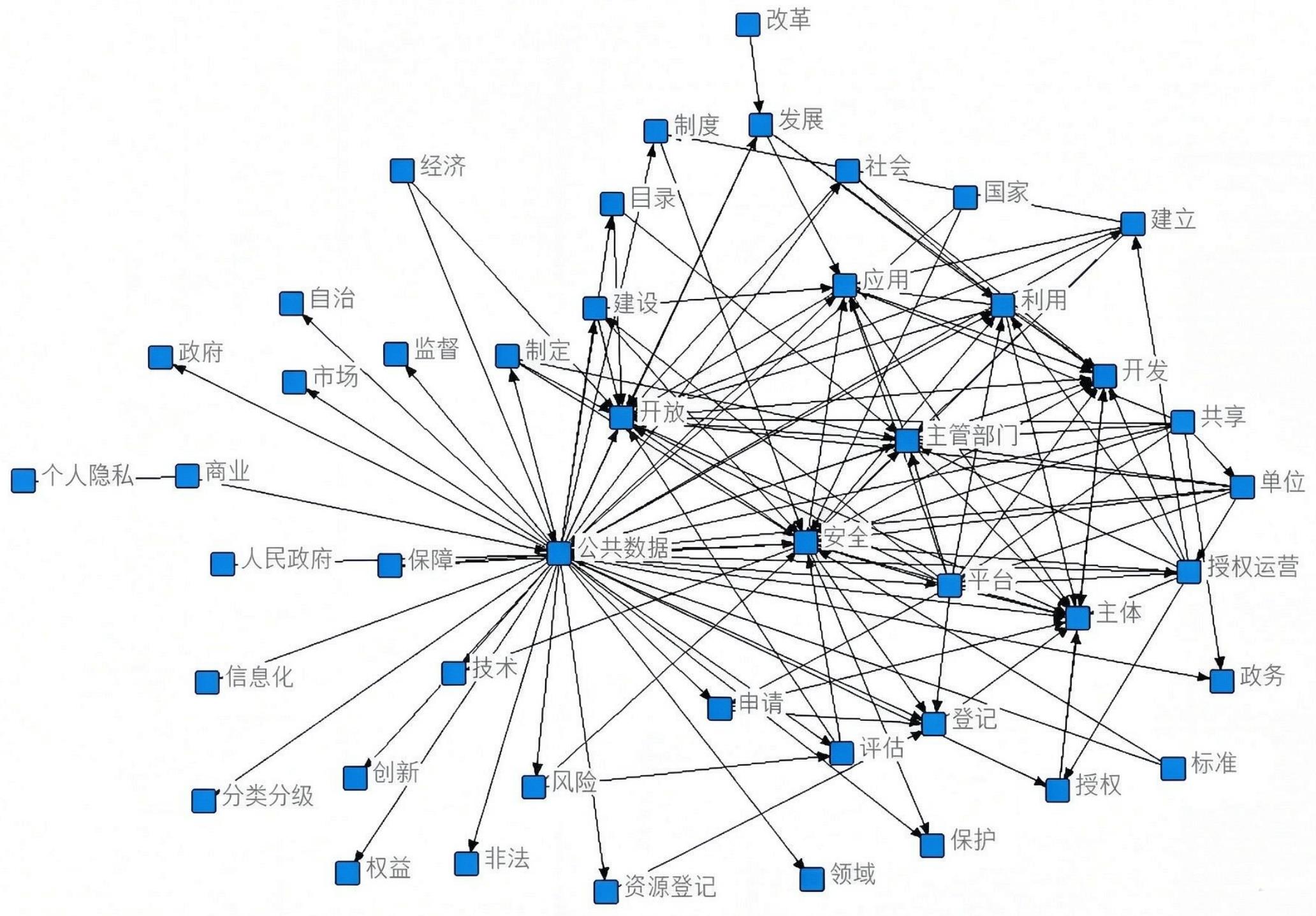
Fig.1

Social network map of high-frequency policy words"

Table 2

PMC evaluation index system for provincial public data resource development and utilization policies"

一级变量 二级变量 变量依据
X1政策性质 X1∶1预测、X1∶2支持、X1∶3监督、X1∶4描述、X1∶5建议 [23,24]
X2政策时效 X2∶1长期、X2∶2中期、X2∶3短期 [23]
X3政策领域 X3∶1政治、X3∶2经济、X3∶3科技、X3∶4文化、X3∶5法律、X3∶6社会 [31]
X4政策内容 X4∶1数据采集、X4∶2数据资源登记、X4∶3数据资产管理、X4∶4数据开放共享、X4∶5数据授权运营、X4∶6数据开发利用、X4∶7数据场景应用、X4∶8数据交易流通、X4∶9数据质量控制、X4∶10数据安全与隐私保护 参考高频词总结归纳
X5政策对象 X5∶1政府、X5∶2企业、X5∶3高校、X5∶4科研机构、X5∶5相关人才 [35]
X6政策目标 X6∶1加强政府治理、X6∶2优化市场配置、X6∶3加快数据要素流通、X6∶4保障数据安全与合法权益、X6∶5提升公共服务水平 高频词总结归纳
X7激励与保障 X7∶1技术供给、X7∶2资金投入、X7∶3人才支持、X7∶4金融税收、X7∶5政府采购、X7∶6监督管理、X7∶7平台建设、X7∶8交流合作、X7∶9引入社会资本、X7∶10试点建设、X7∶11宣传推广 [36]
X8政策评价 X8∶1依据充分、X8∶2目标明确、X8∶3实施方案具体 [37]
X9政策效力 X9∶1地方性法规、X9∶2地方政府规章、X9∶3地方规范性文件、X9∶4地方工作文件 [38]

Table 3

Sample policies for the development and utilization of public data resources"

政策编号 政策名称 制定机关 颁布时间/年
P1 《黑龙江省公共数据资源登记实施细则(试行)》 黑龙江省数据局 2025
P2 《吉林省公共数据和一网通办管理办法(试行)》 吉林省人民政府 2019
P3 《加快北京市公共数据资源开发利用的实施意见》 中共北京市委员会、北京市人民政府 2025
P4 《山西省公共数据资源授权运营管理办法(试行)》 山西省人民政府 2025
P5 《江苏省公共数据管理办法》 江苏省人民政府 2021
P6 《浙江省公共数据条例》 浙江省人大(含常委会) 2025
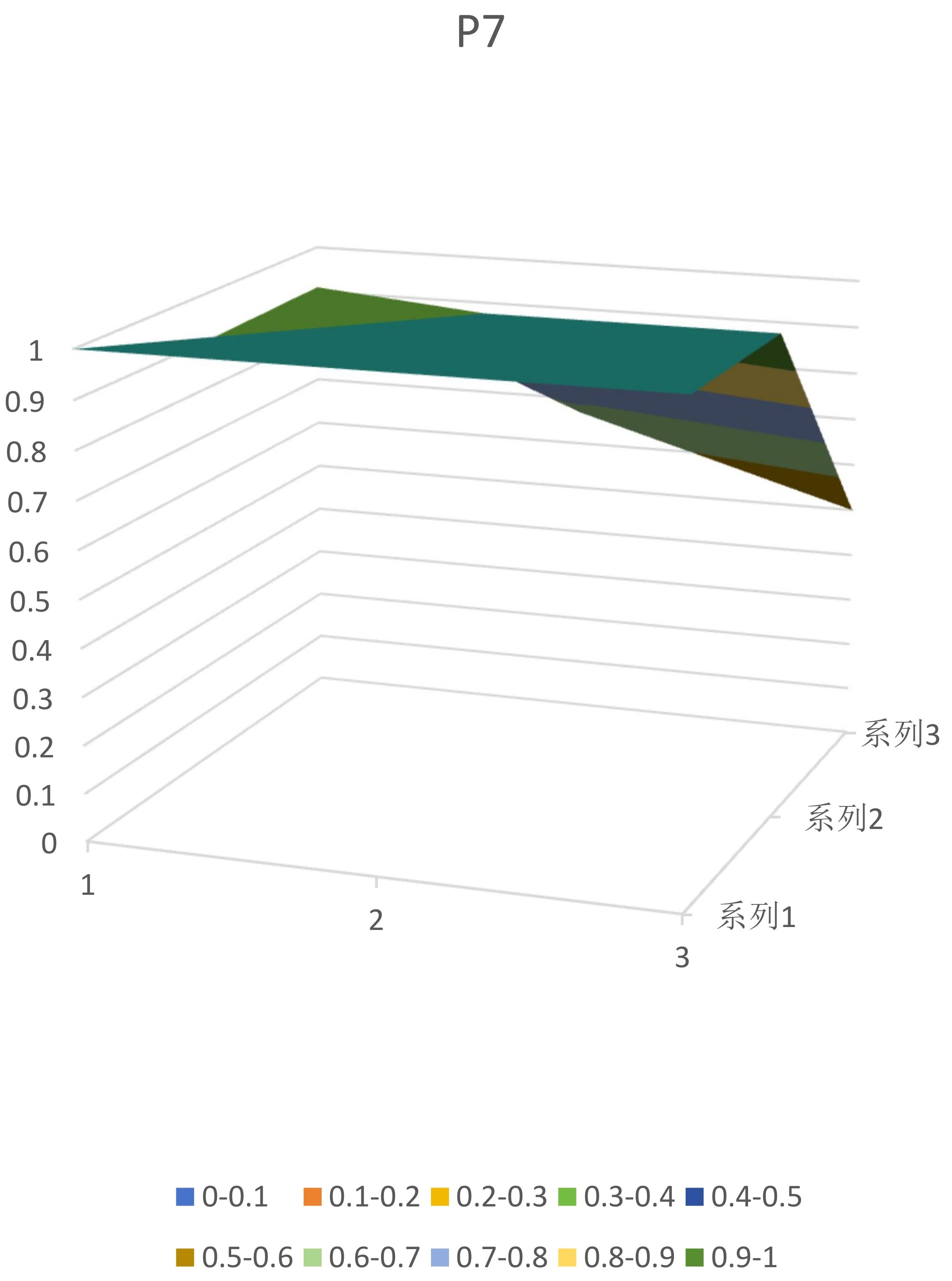
P7 《加快湖南省公共数据资源开发利用的实施意见》 湖南省人民政府 2025
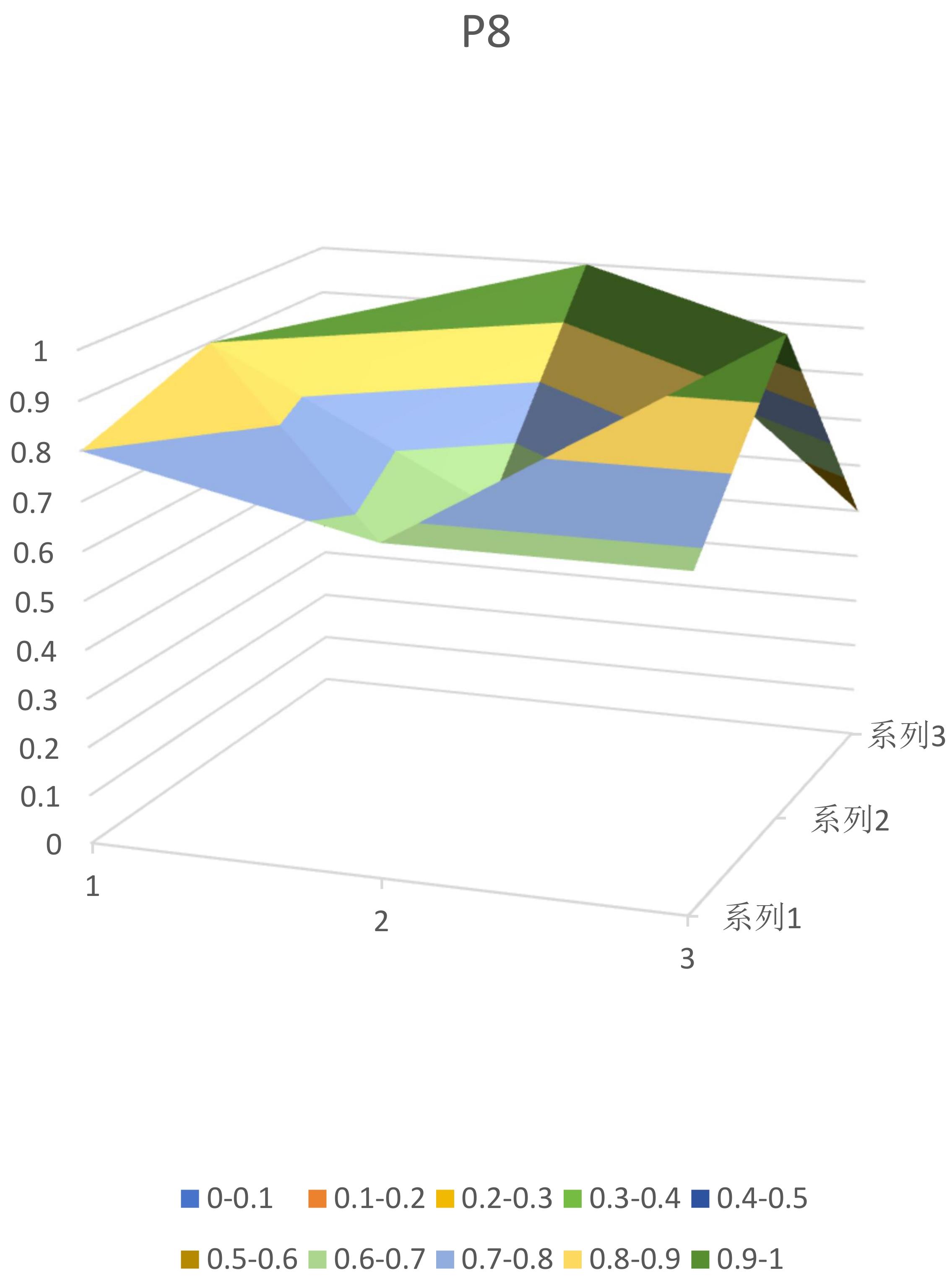
P8 《河南省公共数据资源授权运营实施办法(试行)》 河南省人民政府 2025
P9 《广东省公共数据管理办法》 广东省人民政府 2021
P10 《广西公共数据开放管理办法》 广西壮族自治区大数据发展局 2020
P11 《宁夏回族自治区公共数据管理办法(试行)》 宁夏回族自治区发展和改革委员会 2025
P12 《甘肃省加快公共数据资源开发利用实施方案》 甘肃省人民政府 2024
P13 《云南省公共数据管理办法(试行)》 云南省人民政府 2023
P14 《西藏自治区公共数据管理办法(试行)》 西藏自治区人民政府 2024

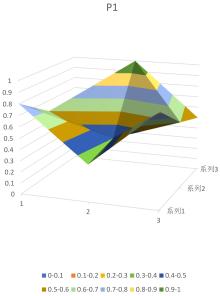
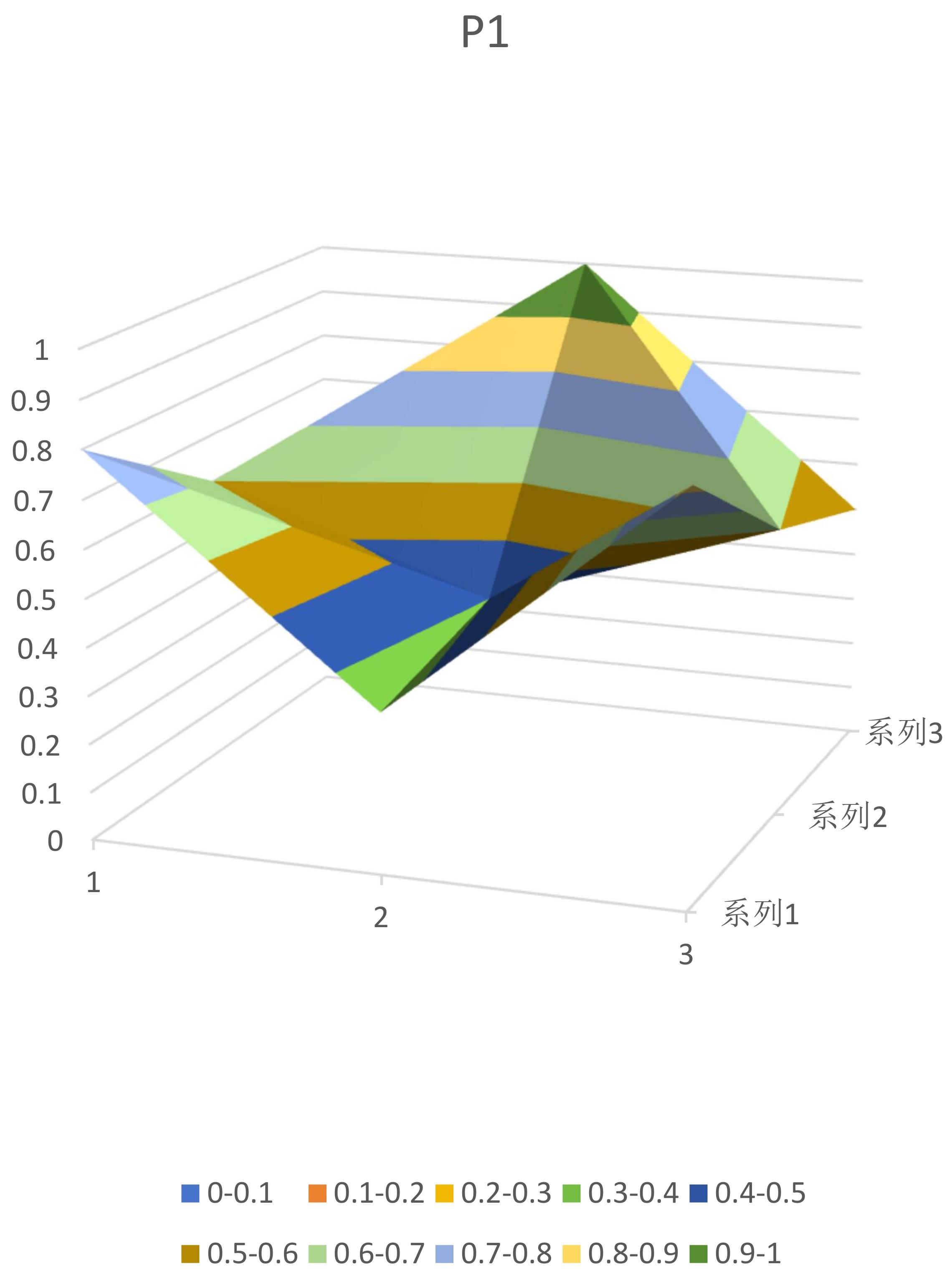
Fig.2

Surface plot of policy P1"

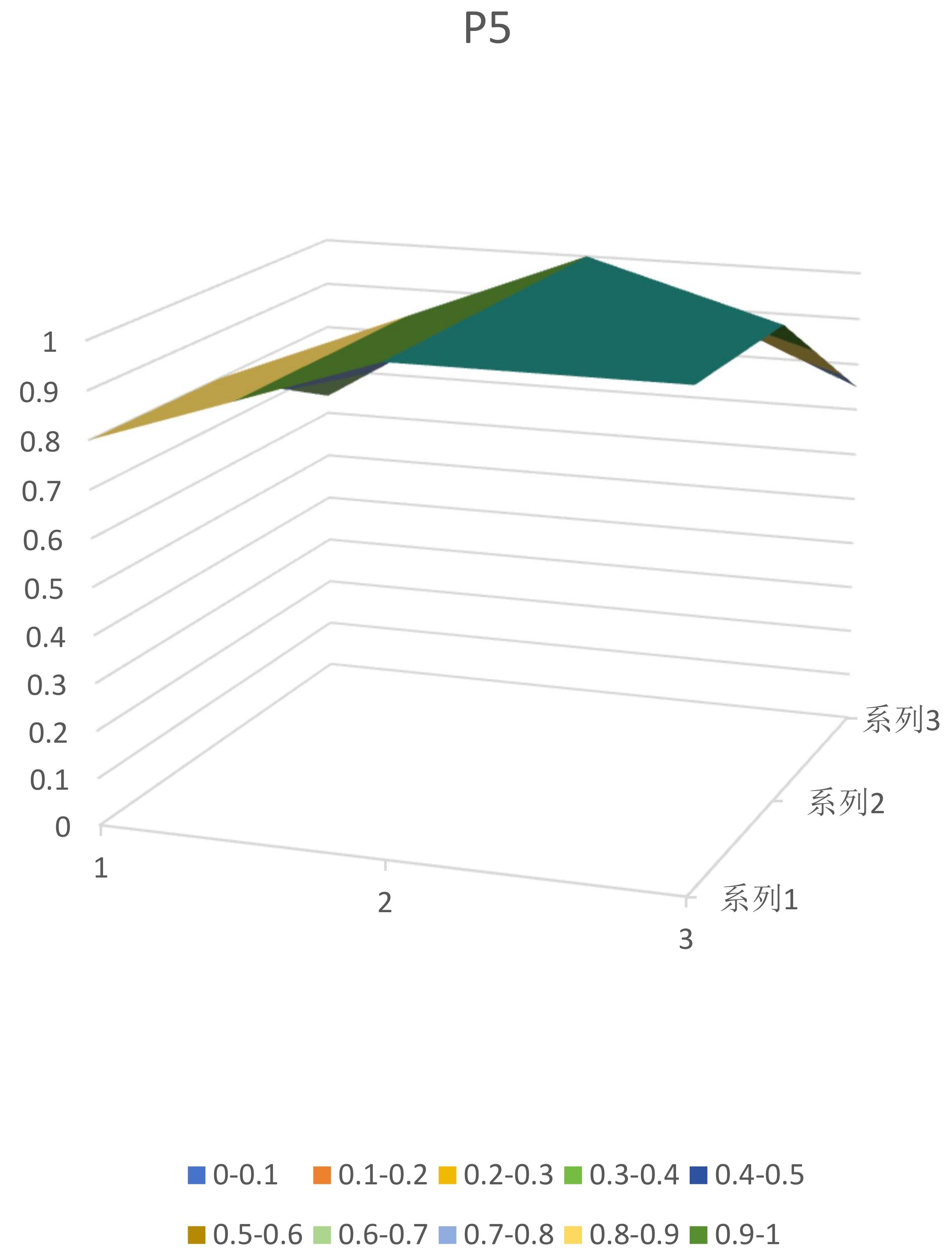
Fig.3

Surface plot of policy P5"

Fig.4

Surface plot of policy P7"

Fig.5

Surface plot of policy P8"

Table 4

Scores and PMC index of sample policies on public data resource development and utilization"

一级变量 P1 P2 P3 P4 P5 P6 P7 P8 P9 P10 P11 P12 P13 P14 均值
X1 0.80 0.80 0.80 0.80 0.80 0.80 1.00 0.80 0.80 0.80 0.80 1.00 0.80 0.80 0.83
X2 0.33 1.00 0.33 0.33 1.00 1.00 1.00 0.67 1.00 1.00 0.33 1.00 0.67 0.33 0.71
X3 0.83 0.67 1.00 0.83 1.00 0.83 1.00 0.67 0.67 0.67 0.83 1.00 0.67 1.00 0.83
X4 0.60 0.70 0.90 0.90 0.80 0.70 0.90 0.90 0.80 0.70 0.80 1.00 0.80 0.80 0.81
X5 0.40 0.40 0.60 0.80 1.00 0.40 1.00 0.60 0.80 1.00 0.60 1.00 0.40 0.60 0.69
X6 0.60 0.60 1.00 1.00 1.00 1.00 1.00 1.00 1.00 1.00 1.00 1.00 0.80 1.00 0.93
X7 0.18 0.45 1.00 0.27 0.64 0.64 0.91 0.36 0.45 0.55 0.36 0.91 0.36 0.73 0.56
X8 1.00 1.00 0.67 1.00 1.00 0.67 0.67 1.00 1.00 1.00 1.00 0.67 1.00 0.67 0.88
X9 0.50 0.50 0.50 0.50 0.75 1.00 0.50 0.50 0.75 0.50 0.50 0.25 0.50 0.50 0.55
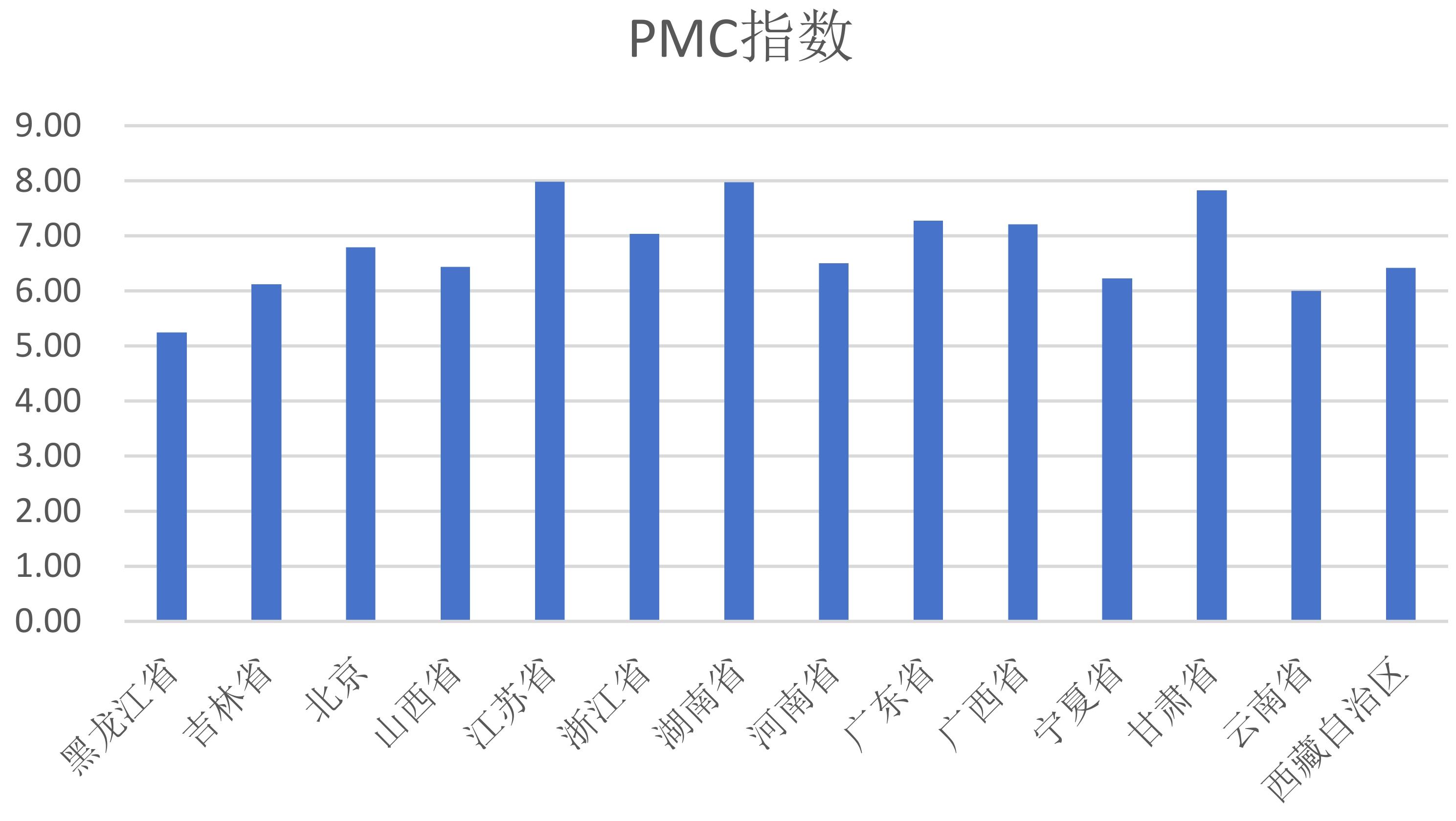
PMC指数 5.24 6.12 6.80 6.43 7.99 7.04 7.98 6.50 7.27 7.22 6.22 7.83 6.00 6.43 6.79
排名 14 12 7 9 1 6 2 8 4 5 11 3 13 10

Fig.6

Bar chart of policy sample PMC index"

Fig.7

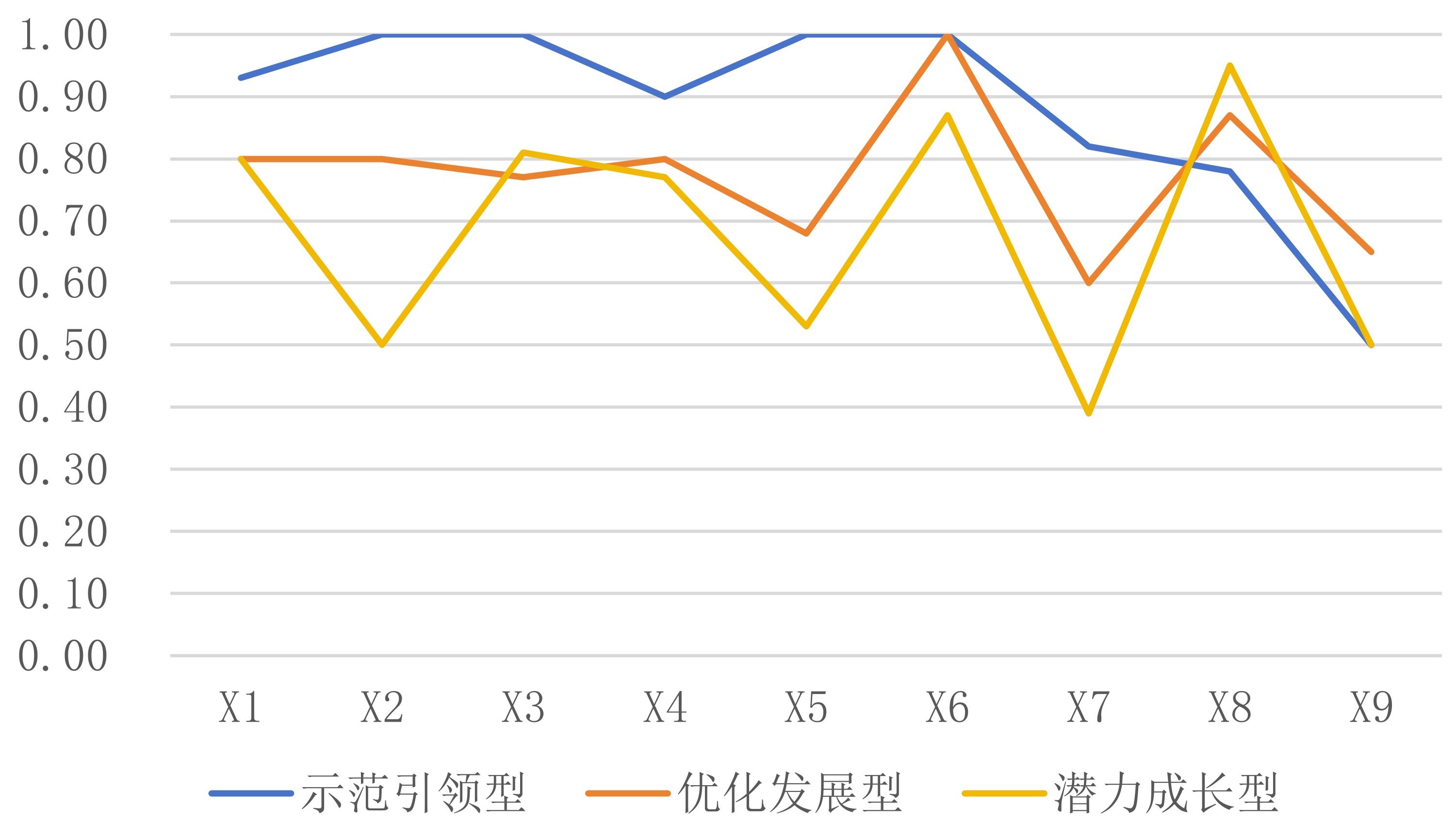
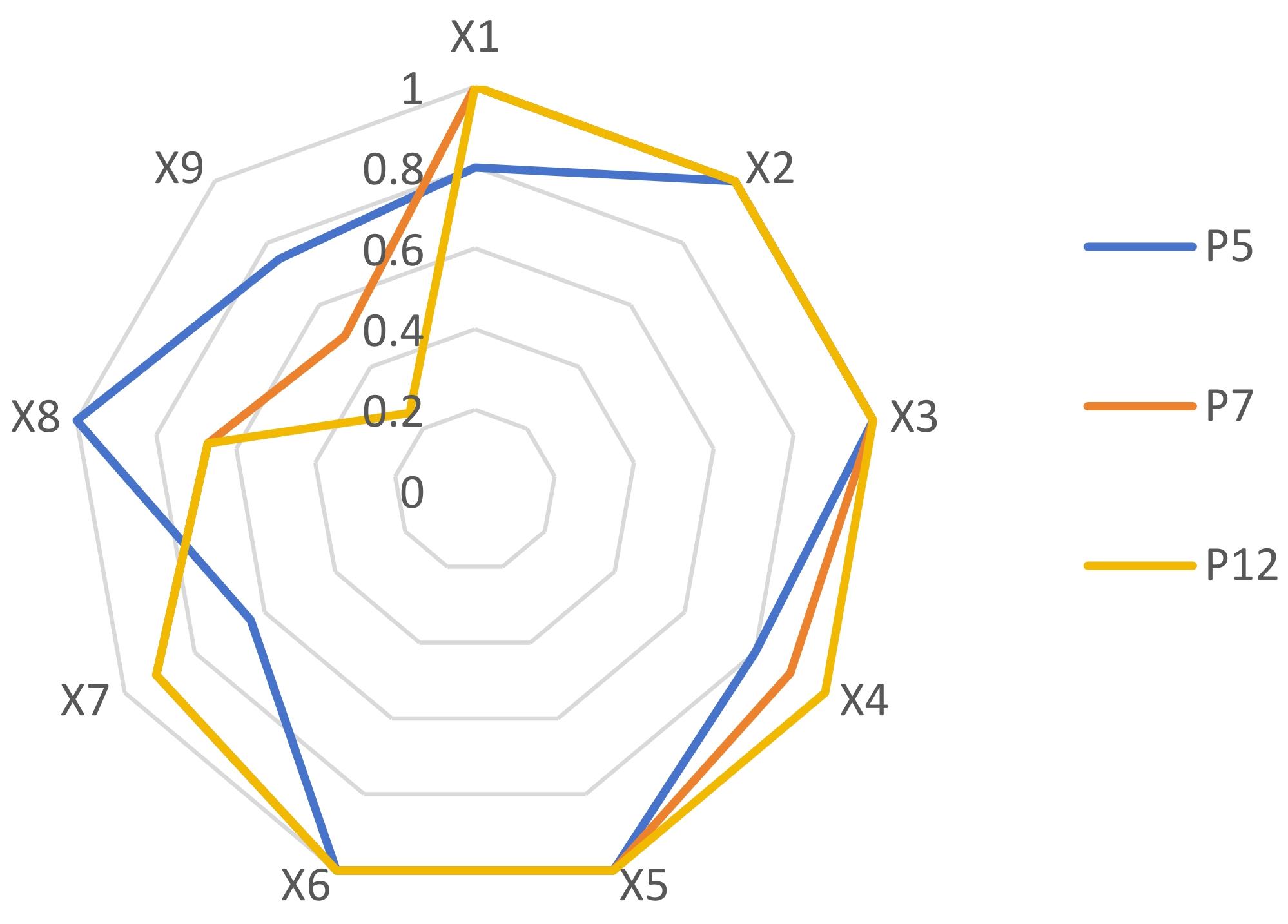
Line chart of average values of primary indicators for the three policy categories"

Fig.8

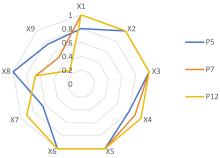
PMC index radar chart of demonstration-led policies"

Fig.9

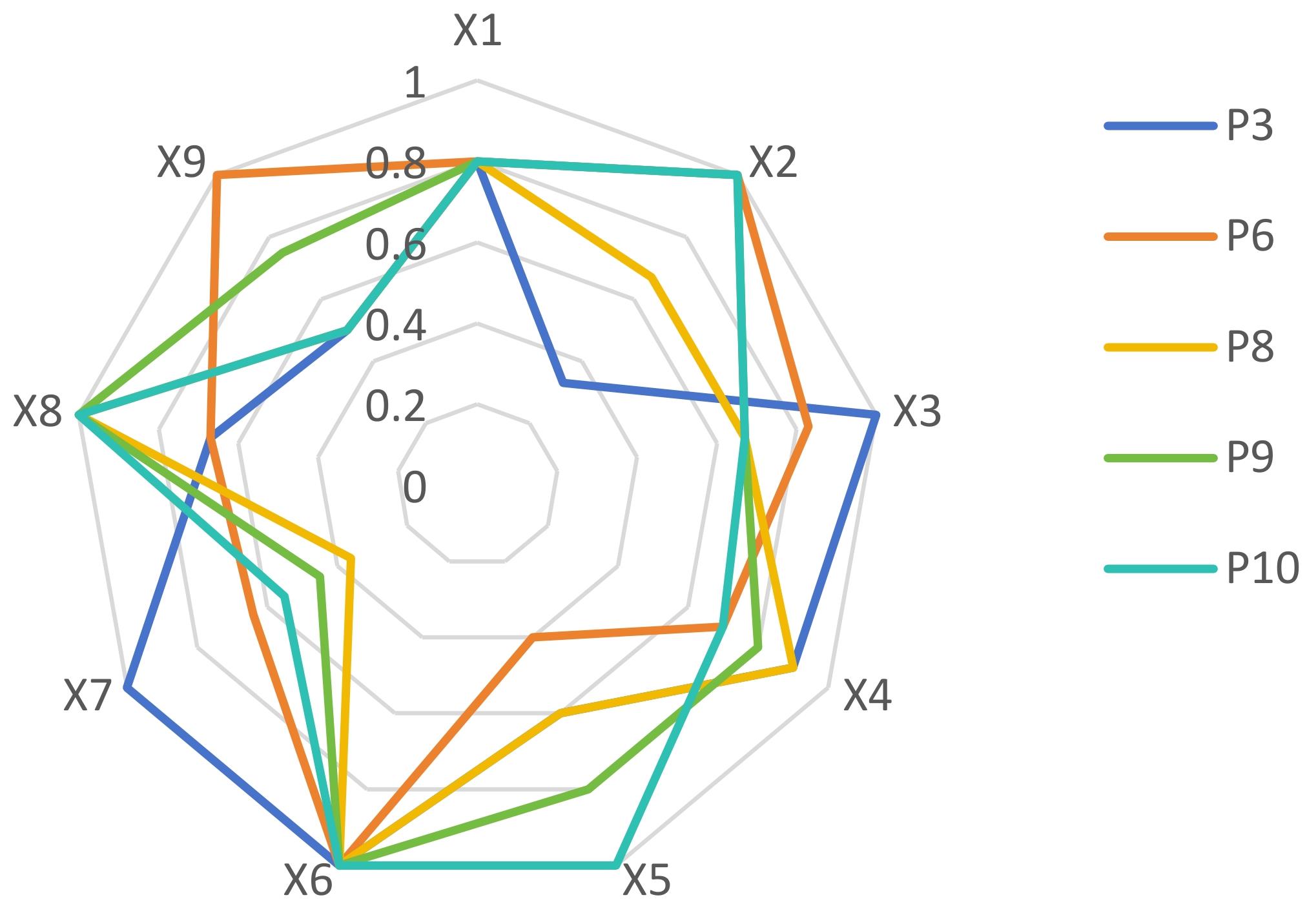
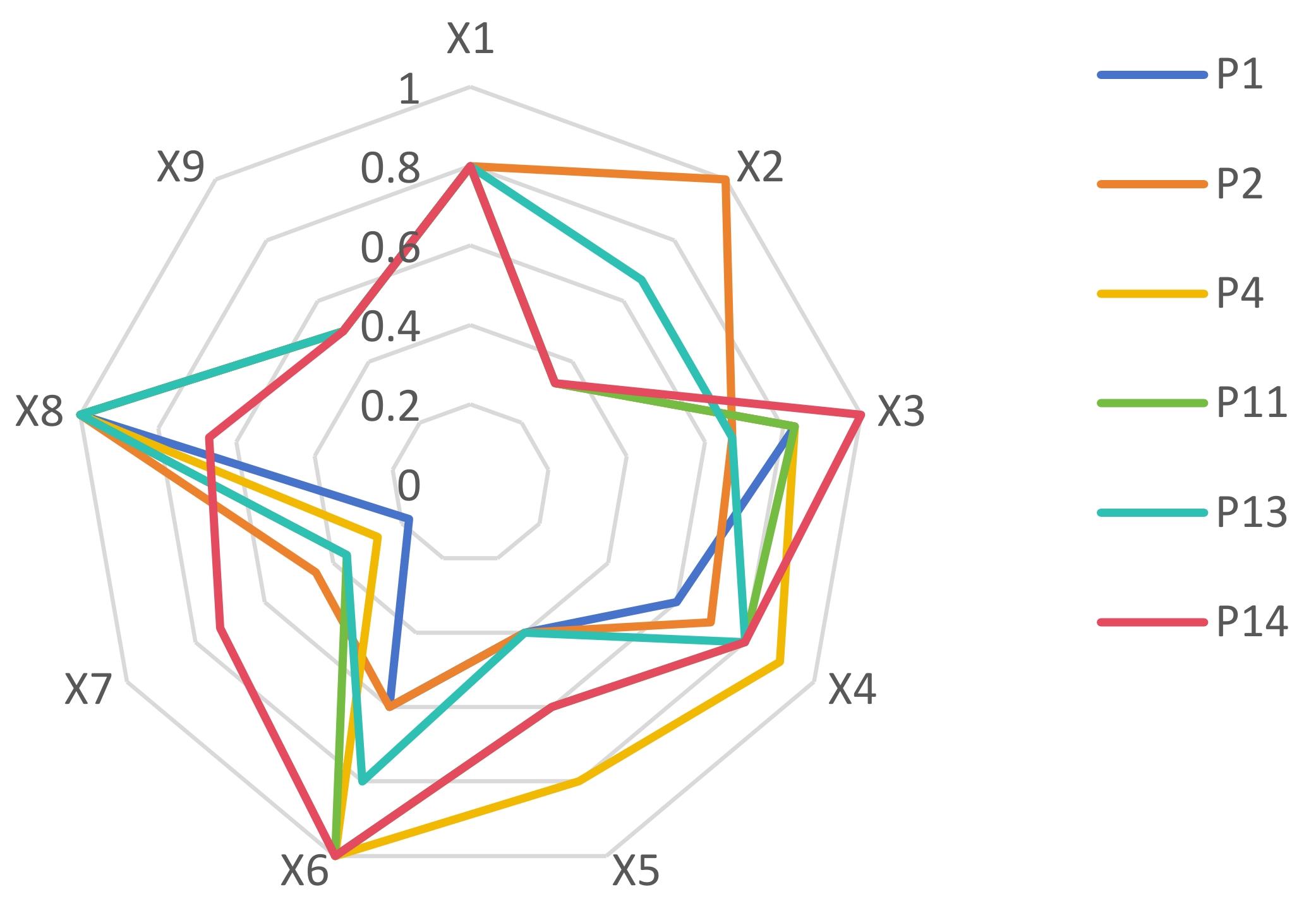
PMC index radar chart for optimized development policies"

Fig.10

PMC index radar chart for optimized development policies"

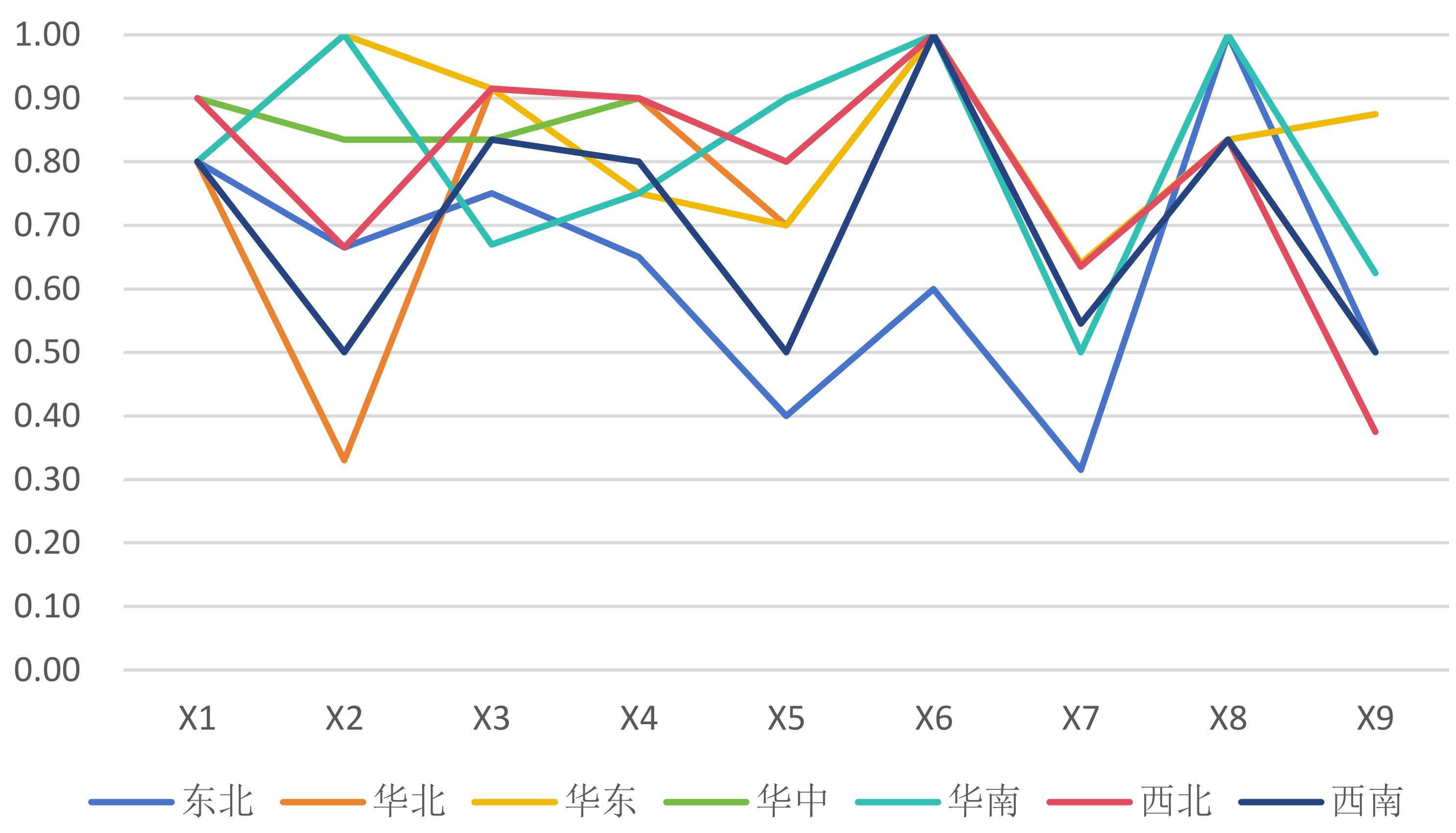
Fig.11

Line chart of the average values of the first-level indicators of the seven major divisions"

[1]
夏义堃. 数据要素市场化配置与深化政府数据治理方式变革[J]. 图书与情报, 2020(3): 14-16.
Xia Yikun. Market‑oriented allocation of data elements and deepening the reform of government data governance approaches[J]. Library and Information, 2020(3): 14-16.
[2]
国务院办公厅. 关于加快公共数据资源开发利用的意见[EB/OL]. [2026-02-20].
[3]
数字与移动治理实验室. 2025中国开放数林指数发布[EB/OL]. [2026-02-20].
[4]
杜荷花, 周环. 我国政府数据开放政策量化评价与优化——基于PMC指数模型的分析[J]. 图书馆建设, 2023(3): 70-81.
Du Hehua, Zhou Huan. Quantitative evaluation and optimization of government data opening policy in China: Based on the analysis of PMC index model[J]. Library Development, 2023(3): 70-81.
[5]
李森涛, 袁静, 王珊珊, 等. 我国地方公共数据授权运营政策评价研究[J]. 数字图书馆论坛, 2025, 21(1): 67-76.
Li Sentao, Yuan Jing, Wang Shanshan, et al. Evaluation of China's local public data authorization and operation policies[J]. Digital Library Forum, 2025, 21(1): 67-76.
[6]
张晓娟, 步闫若, 莫富传. 政策工具视角下我国地方政府公共数据治理政策研究[J]. 情报理论与实践, 2024, 47(6): 21-30.
Zhang Xiaojuan, Bu Yanruo, Mo Fuchuan. Research on public data governance policies of local governments in China from the perspective of policy instruments[J]. Information Studies (Theory & Application), 2024, 47(6): 21-30.
[7]
陈美, 贾怡敏, 张峥峥. 基于三维分析框架的公共数据授权运营政策量化[J]. 图书情报知识, 2025, 42(5): 114-125, 158.
Chen Mei, Jia Yimin, Zhang Zhengzheng. Quantitative research on public data authorization operation policy based on a three-dimensional analysis framework[J]. Document, Information & Knowledge, 2025, 42(5): 114-125, 158.
[8]
乔舒静, 姜景, 陈悦. 三维政策工具下我国公共数据授权运营政策研究[J]. 网络安全与数据治理, 2025, 44(6): 62-68, 81.
Qiao Shujing, Jiang Jing, Chen Yue. Research on China's public data authorization operation policy under three-dimensional policy tools[J]. Cyber Security and Data Governance, 2025, 44(6): 62-68, 81.
[9]
彭川宇, 刘月. 政府数据开放政策三维分析框架构建及实证研究[J]. 图书情报工作, 2021, 65(6): 12-22.
Peng Chuanyu, Liu Yue. Construction and empirical study of three dimensional analysis framework of open government data policy[J]. Library and Information Service, 2021, 65(6): 12-22.
[10]
史卓润, 赵玉攀, 颜如玉. 基于结构主题模型的公共数据授权运营政策分析[J]. 科技情报研究, 2025, 7(2): 72-81.
Shi Zhuorun, Zhao Yupan, Yan Ruyu. Analysis of public data authorization operation policies based on structural topic model[J]. Scientific Information Research, 2025, 7(2): 72-81.
[11]
程越欣, 杨峰, 郭剑明. 基于BERTopic模型的国内政府数据开放研究主题挖掘及内容分析[J]. 图书馆学研究, 2025(5): 26-37, 65.
Cheng Yuexin, Yang Feng, Guo Jianming. Topic mining and content analysis of research on government data openness in China based on BERTopic[J]. Research on Library Science, 2025(5): 26-37, 65.
[12]
马海群, 张斌. 基于LDA模型的我国开放公共数据政策供给特征分析[J]. 现代情报, 2023, 43(8): 35-44.
Ma Haiqun, Zhang Bin. Analysis on the supply characteristics of open public data policy in China based on LDA model[J]. Journal of Modern Information, 2023, 43(8): 35-44.
[13]
洪伟达, 马海群. 我国开放政府数据政策协同机理研究[J]. 情报科学, 2020, 38(5): 126-131.
Hong Weida, Ma Haiqun. Mechanism of the open government data policy synergy[J]. Information Science, 2020, 38(5): 126-131.
[14]
刘春年, 朱池, 易岚. 中国公共数据授权运营政策的结构体系与协同关系研究[J]. 现代情报, 2025, 45(11): 105-115.
Liu Chunnian, Zhu Chi, Yi Lan. Structural system and synergetic relationships of China's public data authorized operation policies[J]. Journal of Modern Information, 2025, 45(11): 105-115.
[15]
陈美, 赵子莜. 基于文本挖掘的开放政府数据与数字经济政策协同研究[J]. 情报杂志, 2024, 43(4): 184-191, 88.
Chen Mei, Zhao Ziyou. Research synergy between open government data and digital economy policies based on text mining[J]. Journal of Intelligence, 2024, 43(4): 184-191, 88.
[16]
李卓伦, 袁曦临. 城市公共数据授权运营政策量化测度研究——基于12项省市政策文本[J]. 情报探索, 2025(12): 48-55.
Li Zhuolun, Yuan Xilin. Research on quantitative measurement of urban public data authorization operation policy: Based on 12 provincial and municipal policy texts[J]. Information Research, 2025(12): 48-55.
[17]
陈媛媛, 林安洁, 马海群. 基于固定效应回归分析的省级公共数据政策对政府数据开放绩效的影响研究[J]. 情报学报, 2024, 43(7): 875-888.
Chen Yuanyuan, Lin Anjie, Ma Haiqun. Impact of provincial public data policy on the open government data performance based on fixed effects regression analysis[J]. Journal of the China Society for Scientific and Technical Information, 2024, 43(7): 875-888.
[18]
陈美, 郝志豪, 曹语嫣, 等. 我国地方政府开放数据制度评价与运行效果研究[J]. 图书情报工作, 2023, 67(8): 18-29.
Chen Mei, Hao Zhihao, Cao Yuyan, et al. Research on the evaluation and operational effectiveness of the Chinese local government open data system[J]. Library and Information Service, 2023, 67(8): 18-29.
[19]
Park G E, Kim C J. Quality characteristics of public open data[J]. Journal of Digital Convergence, 2015, 13(10): 135-146.
[20]
Zuiderwijk A, Janssen M. Open data policies, their implementation and impact: A framework for comparison[J]. Government Information Quarterly, 2014, 31(1): 17-29.
[21]
Huijboom N, Van den Broek T. Open data: An international comparison of strategies[J]. European Journal of EPractice, 2011, 12(1): 4-16.
[22]
Nugroho R P, Zuiderwijk A, Janssen M, et al. A comparison of national open data policies: Lessons learned[J]. Transforming Government: People, Process and Policy, 2015, 9(3): 286-308.
[23]
Ruiz Estrada M A. Policy modeling: Definition, classification and evaluation[J]. Journal of Policy Modeling, 2011, 33(4): 523-536.
[24]
张永安, 郄海拓. 国务院创新政策量化评价——基于PMC指数模型[J]. 科技进步与对策, 2017, 34(17): 127-136.
Zhang Yongan, Haituo Qie. Quantitative evaluation innovation policies of the state council - Based on the PMC-index model[J]. Science & Technology Progress and Policy, 2017, 34(17): 127-136.
[25]
张永安, 郄海拓. 金融政策组合对企业技术创新影响的量化评价——基于PMC指数模型[J]. 科技进步与对策, 2017(2): 113-121.
Zhang Yongan, Haituo Qie. Quantitative evaluation of the impact of financial policy combination to enterprise technology innovation - Based on the PMC-index model[J]. Science & Technology Progress and Policy, 2017(2): 113-121.
[26]
Yang Ciran, Yin Shicheng, Cui Dan, et al. Quantitative evaluation of traditional Chinese medicine development policy: A PMC index model approach[J]. Frontiers in Public Health, 2022, 10: 1041528.
[27]
张雅平, 游秀芬. 基于PMC指数模型的高校档案管理政策量化评价[J]. 河北北方学院学报(自然科学版), 2021, 37(9): 35-39.
Zhang Yaping, You Xiufen. Quantitative evaluation of university archives management policy based on PMC index model[J]. Journal of Hebei North University (Natural Science Edition), 2021, 37(9): 35-39.
[28]
任牡丹, 李佳奕, 吴义熔. 基于政策一致性指数模型的公共数据授权运营政策评价及优化分析[J]. 科技管理研究, 2026, 46(2): 54-65.
Ren Mudan, Li Jiayi, Wu Yirong. Evaluation and optimization analysis of public data authorized operation policy based on the policy modeling consistency(PMC) index model[J]. Science and Technology Management Research, 2026, 46(2): 54-65.
[29]
徐绪堪, 唐津, 滕森, 等. 我国公共数据开放政策的演化趋势与量化评价——基于优化PMC指数模型[J]. 情报科学, 2026, 44(5): 130-141.
Xu Xukan, Tang Jin, Teng Sen, et al. The evolutionary trend and quantitative evaluation of China’s public data open policy - Based on the optimized PMC index model[J]. Information Science, 2026, 44(5): 130-141.
[30]
何林莹, 马海群. 地方公共数据政策量化评价研究——基于PMC指数模型[J]. 现代情报, 2023, 43(8): 14-26.
He Linying, Ma Haiqun. Quantitative evaluation of local public data policy - Based on PMC index model[J]. Journal of Modern Information, 2023, 43(8): 14-26.
[31]
周一, 杜宝贵, 王卓一. 基于PMC指数模型的东北三省公共数据确权政策量化评价分析[J]. 科技和产业, 2025, 25(14): 266-277.
Zhou Yi, Du Baogui, Wang Zhuoyi. Quantitative evaluation and analysis of public data ownership confirmation policies in the three northeastern provinces based on the PMC index model[J]. Science Technology and Industry, 2025, 25(14): 266-277.
[32]
赵诚诚. 长三角地区公共数据政策多维量化评价研究[D]. 哈尔滨: 黑龙江大学, 2025.
Zhao Chengcheng. Research on multidimensional quantitative evaluation of public data policy in Yangtze River Delta Region[D]. Harbin: Heilongjiang University, 2025.
[33]
孙瑞英, 陈宜泓. 基于PMC指数模型的我国公共数据开放政策评价研究[J]. 情报理论与实践, 2023, 46(8): 33-42.
Sun Ruiying, Chen Yihong. Research on evaluation of China's public data opening policy based on PMC index model[J]. Information Studies (Theory & Application), 2023, 46(8): 33-42.
[34]
杨瑞仙, 毛绪泽, 郭诗语, 等. 基于LDA-PMC模型的我国数据要素政策文本量化评价研究[J]. 情报科学, 2025, 43(8): 10-19, 40.
Yang Ruixian, Mao Xuze, Guo Shiyu, et al. Quantitative evaluation of China's data factor policy texts based on LDA-PMC modeling[J]. Information Science, 2025, 43(8): 10-19, 40.
[35]
胡峰, 温志强, 沈瑾秋, 等. 情报过程视角下大数据政策量化评价——以11项国家级大数据政策为例[J]. 中国科技论坛, 2020(4): 30-41, 73.
Hu Feng, Wen Zhiqiang, Shen Jinqiu, et al. Quantitative evaluation of big data policies from the perspective of information process: Taking 11 national big data policies as an example[J]. Forum on Science and Technology in China, 2020(4): 30-41, 73.
[36]
宋大成, 焦凤枝, 范升. 我国科学数据开放共享政策量化评价——基于PMC指数模型的分析[J]. 情报杂志, 2021, 40(8): 119-126.
Song Dacheng, Jiao Fengzhi, Fan Sheng. Quantitative evaluation of China's open and sharing policies of scientific data: Based on PMC index model[J]. Journal of Intelligence, 2021, 40(8): 119-126.
[37]
毛太田, 陈忠达, 左珊, 等. 基于PMC指数模型的省级数据要素市场政策量化评价[J]. 情报科学, 2025, 43(8): 138-148.
Mao Taitian, Chen Zhongda, Zuo Shan, et al. Quantitative evaluation of provincial data factor market policies based on the PMC index model[J]. Information Science, 2025, 43(8): 138-148.
[38]
金冬雪, 赵建国. 基于PMC指数模型的我国省域数据要素发展政策量化与评价[J]. 情报科学, 2025(9): 171-181, 201.
Jin Dongxue, Zhao Jianguo. Quantification and evaluation of China's provincial data elements development policy based on PMC index model[J]. Information Science, 2025(9): 171-181, 201.
[1] MA Haiqun, MAN Zhenliang. Policy Analysis and Evaluation of the Development and Utilization of Public Data Resources Based on the S-CAD Method [J]. Journal of library and information science in agriculture, 2025, 37(6): 4-19.
Viewed
Full text


Abstract

Cited

  Shared   
  Discussed   
No Suggested Reading articles found!