中文    English

Journal of library and information science in agriculture


Diffusion of Generative Artificial Intelligence Technology Based on Complex Network Evolutionary Game

LI Dan, FENG Danran   

  1. School of Business Administration, Liaoning Technical University, Xingcheng 125100
  • Received:2025-09-12 Online:2025-12-19

Abstract:

[Purpose/Significance] Against the backdrop of intensifying global technological competition and the drive for scientific and technological progress under national innovation strategies, generative artificial intelligence (AI) technology, as an emerging disruptive technology, has had a profound impact on the economy and society through its widespread application. However, the diffusion of this technology in the market still faces numerous challenges. This paper aims to delve into the micro-level decision-making factors influencing enterprises' research and development (R&D) of generative AI technology, as well as the specific impact of user group interactions on the effectiveness of technology diffusion, by constructing a complex network evolutionary game model. The research seeks to uncover the inherent laws governing technology diffusion, providing a scientific basis for policymakers and corporate practitioners to promote the healthy development and effective diffusion of generative AI technology, thereby fostering comprehensive socio-economic progress. [Method/Process] This paper adopts the complex network evolutionary game model as the primary research method, integrating complex network theory, technological innovation diffusion theory, and social influence theory to construct a game model for corporate decision-making regarding generative AI technology. By incorporating the structural characteristics of complex networks and the dynamic mechanisms of evolutionary games, the study simulates the R&D decision-making processes of enterprises under varying conditions of user adoption rates, government subsidy levels, differences in technology benefits and costs, and technology spillover effects. Simultaneously, numerical simulation analysis is employed to explore the specific impacts of changes in these factors on the diffusion effectiveness of generative AI technology decisions, thereby thoroughly revealing the micro-mechanisms underlying technology diffusion. [Results/Conclusions] The research results indicate that an increase in user adoption rates significantly and positively drives the diffusion of generative AI technology, with moderate user dependency behaviors further accelerating this process. Government subsidies play a particularly prominent role in promoting technology diffusion when user adoption rates and the initial proportion of enterprises choosing R&D strategies in the network are low. However, as these proportions rise, the marginal effect of subsidies gradually diminishes. The difference in benefits between enterprises that develop generative AI technology and those that do not has a marked impact on technology diffusion, whereas the impact of cost differences is relatively minor. Furthermore, the spillover effects of generative AI technology may induce free-rider behaviors among other enterprises, hindering technology diffusion. Additionally, when the maturity level of generative AI technology is low, it reduces user trust in the technology, thereby inhibiting its widespread dissemination. Based on these conclusions, this paper proposes policy recommendations such as encouraging user participation, flexibly adjusting subsidy policies, enhancing technology maturity, and establishing intellectual property laws and regulations to facilitate the effective diffusion of generative AI technology.

Key words: complex network, evolutionary game, generative AI, technology diffusion

CLC Number: 

  • F046.2

Table 1

Model parameter description"

参数 含义 参数 含义
p 1 生成式人工智能技术产出的产品或服务的价格 θ 技术的外溢比例
y 1 生成式人工智能技术带来的产品或服务的生产函数 b 生成错误信息的可能性
k 2 2 生成式人工智能技术的研发成本 O 损失金额
s 政府对生成式人工智能技术企业的研发补贴 L 企业的市场机会损失成本
p 2 延续性技术产出的产品或服务的价格 R 用户使用技术给企业带来的潜在收益
y 2 延续性技术带来的产品或服务的生产函数 λ 网络中研发生成式人工智能技术企业的比例
c 1 延续性技术的成本 M 网络中生成式人工智能技术用户总数
N 网络中生成式人工智能技术企业总数 z 用户使用生成式人工智能技术的比例
α 用户的依赖程度

Fig.1

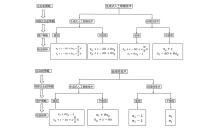
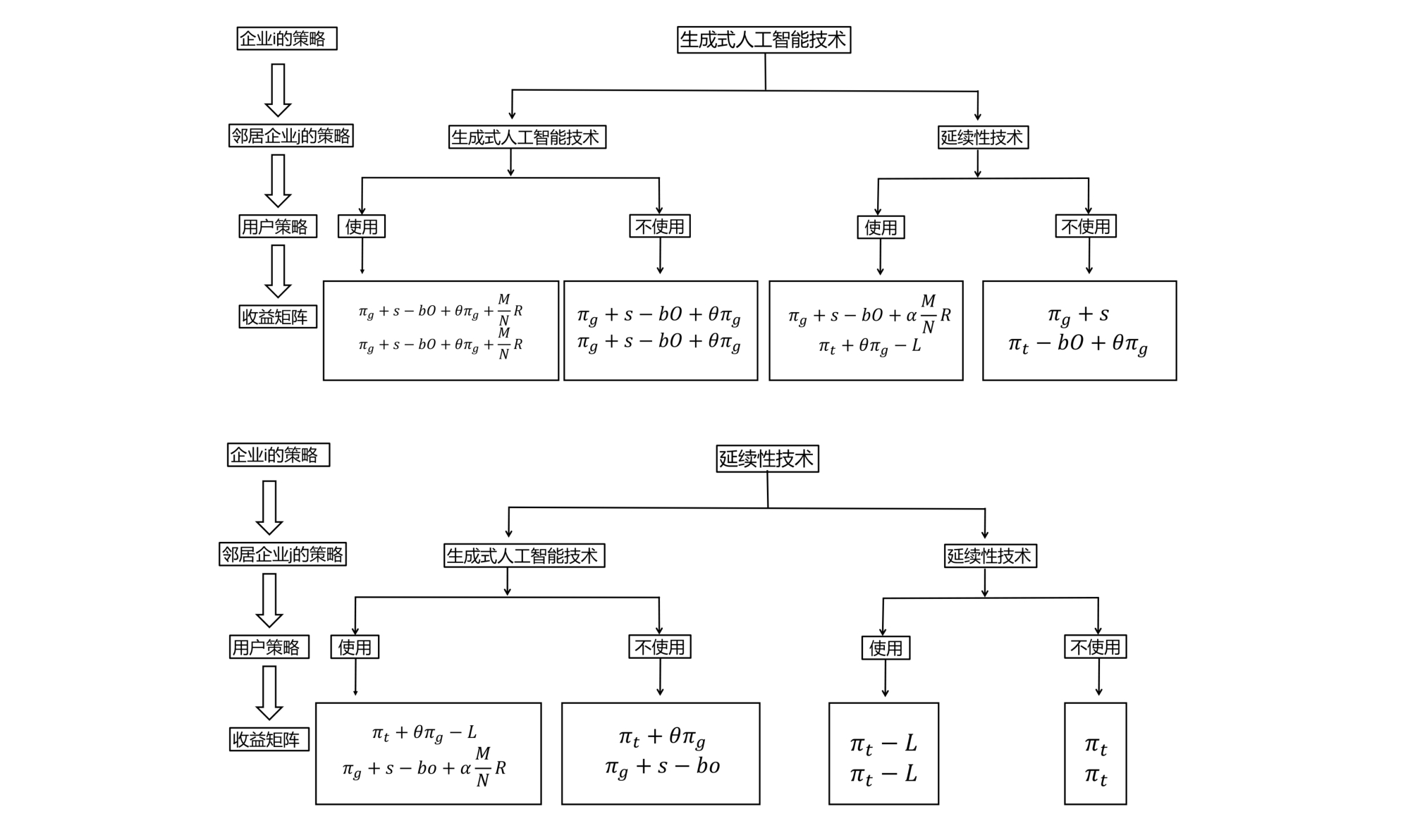
Revenue matrix of enterprises adopting generative artificial intelligence technology and continuous technology strategies"

Fig.2

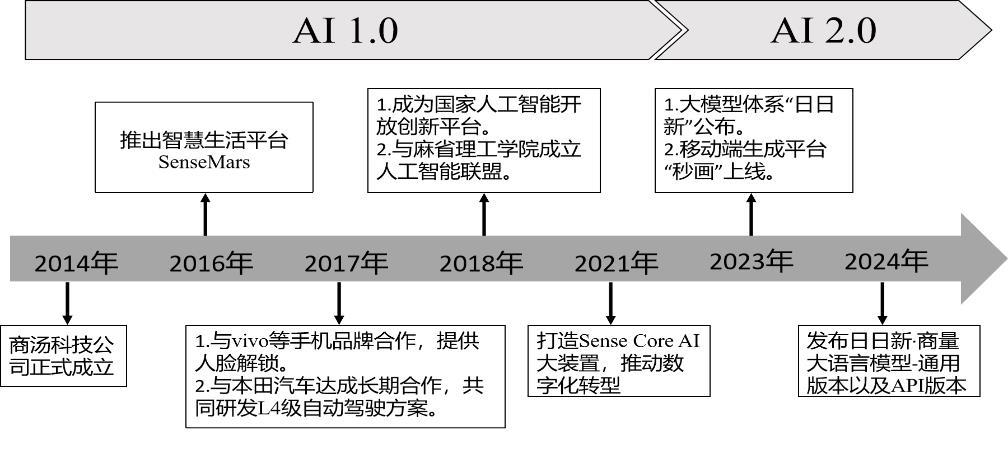
Development history of sense time technology"

Table 2

Parameter settings"

y 1 p 1 k 2 2 y 2 p 2 c 1 s N M
0.015 3 000 34 0.024 2 400 40 5 200 408
θ b O L R α k λ z
0.25 0.3 5 35 0.72 0.65 0.1 0.08 0.05

Fig.3

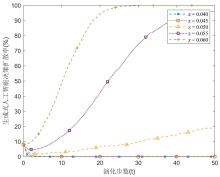
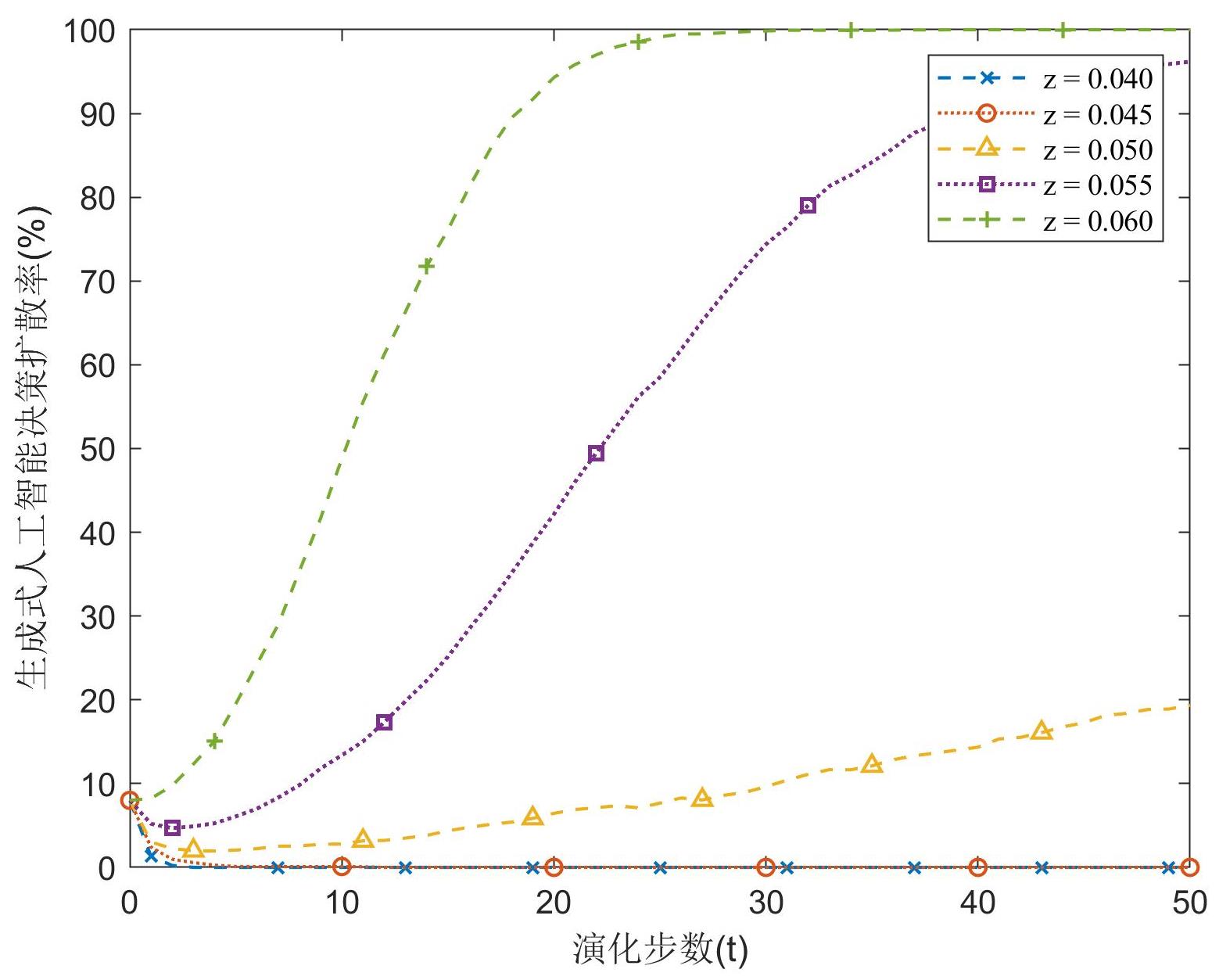
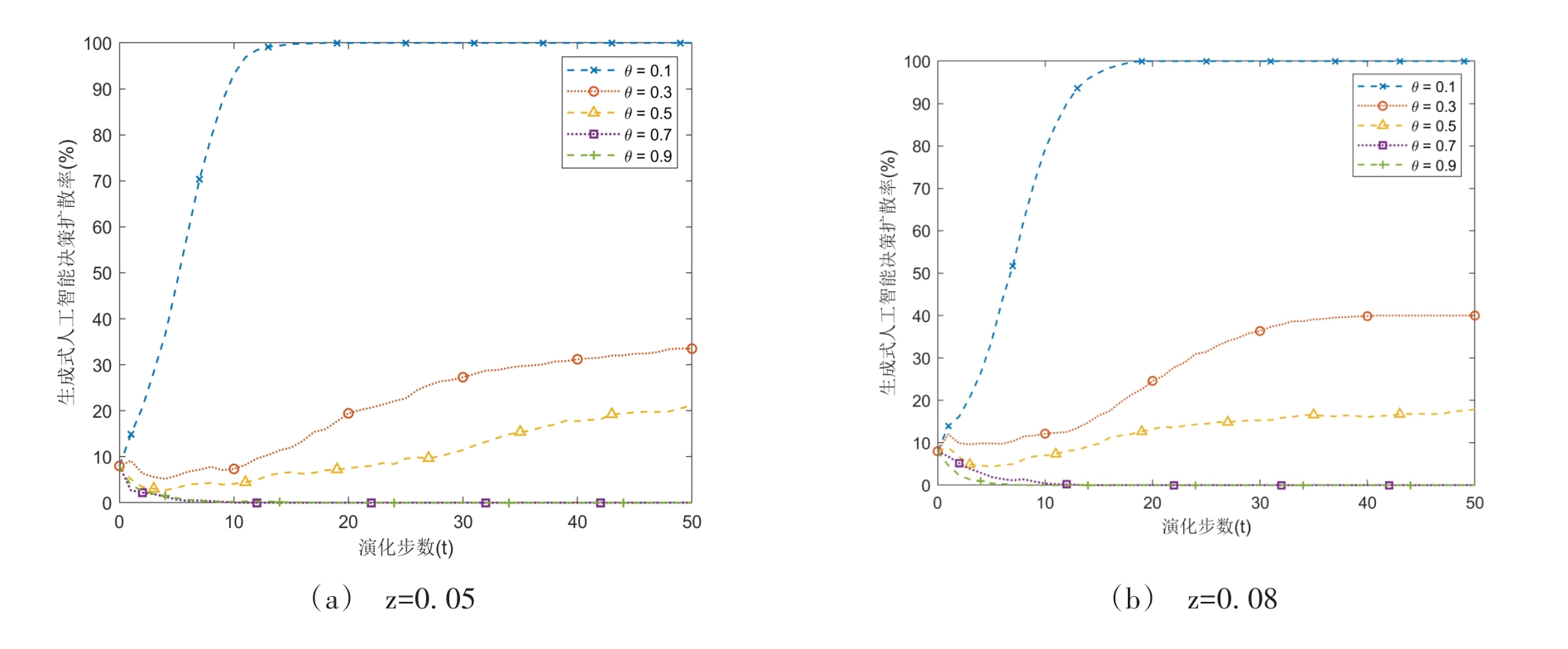
The impact of changes in user usage ratio z on technology diffusion"

Fig.4

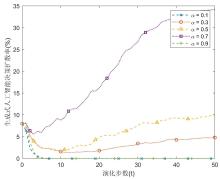
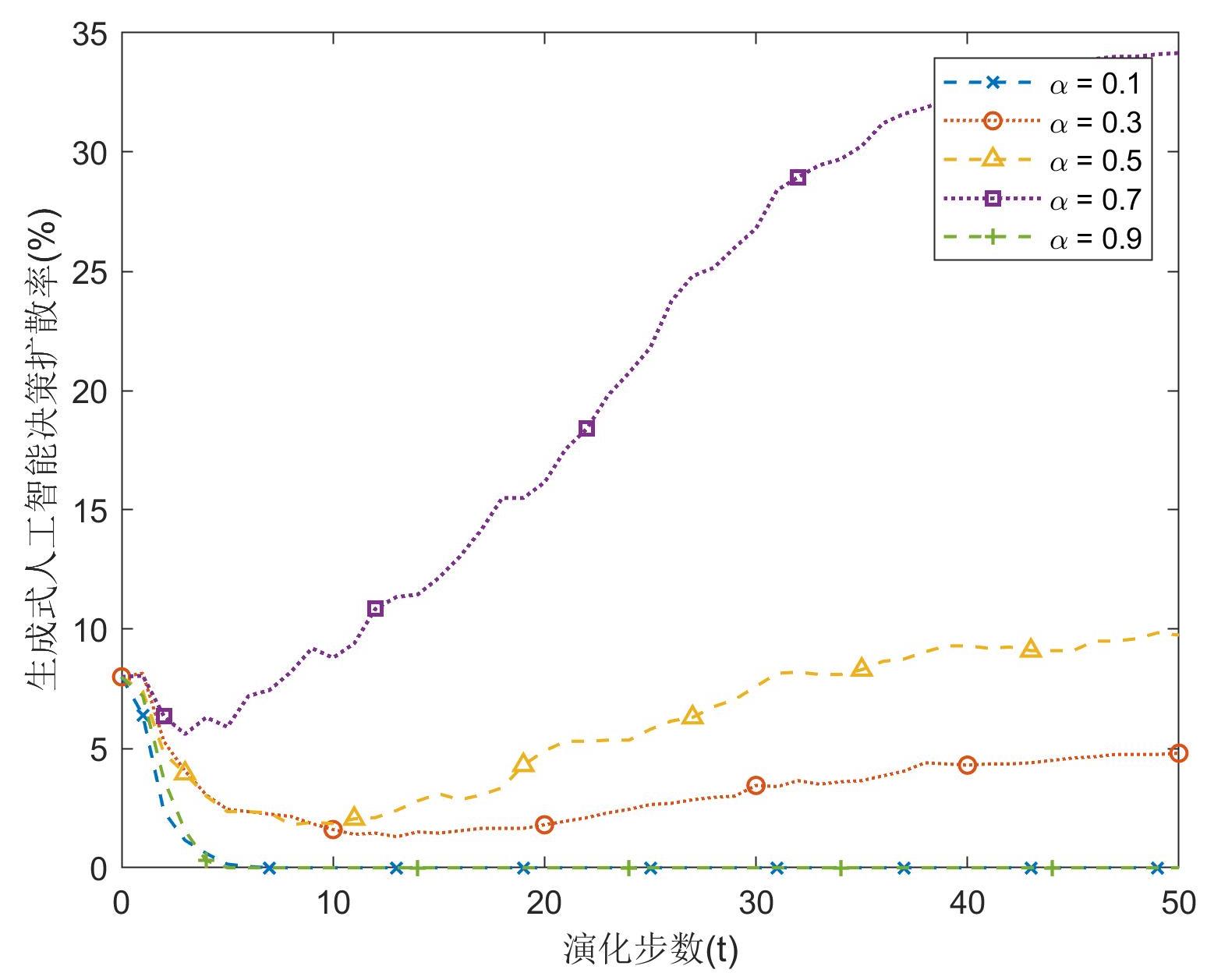
The impact of dependent behavior on technology diffusion"

Fig.5

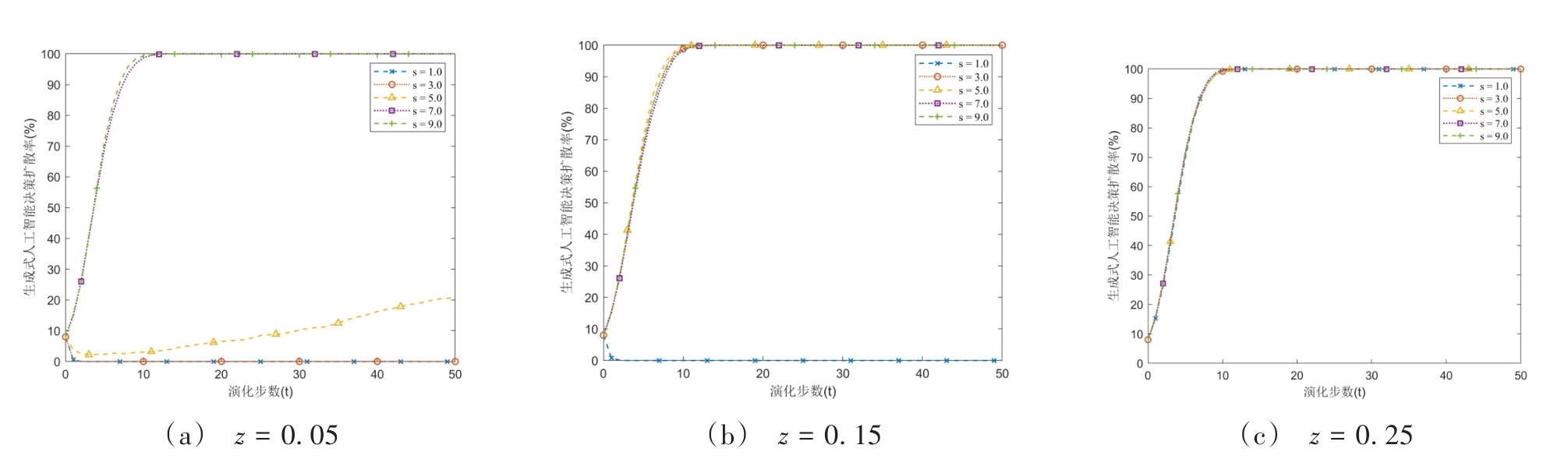
The impact of government subsidies s on technology diffusion with different user adoption rates z"

Fig.6

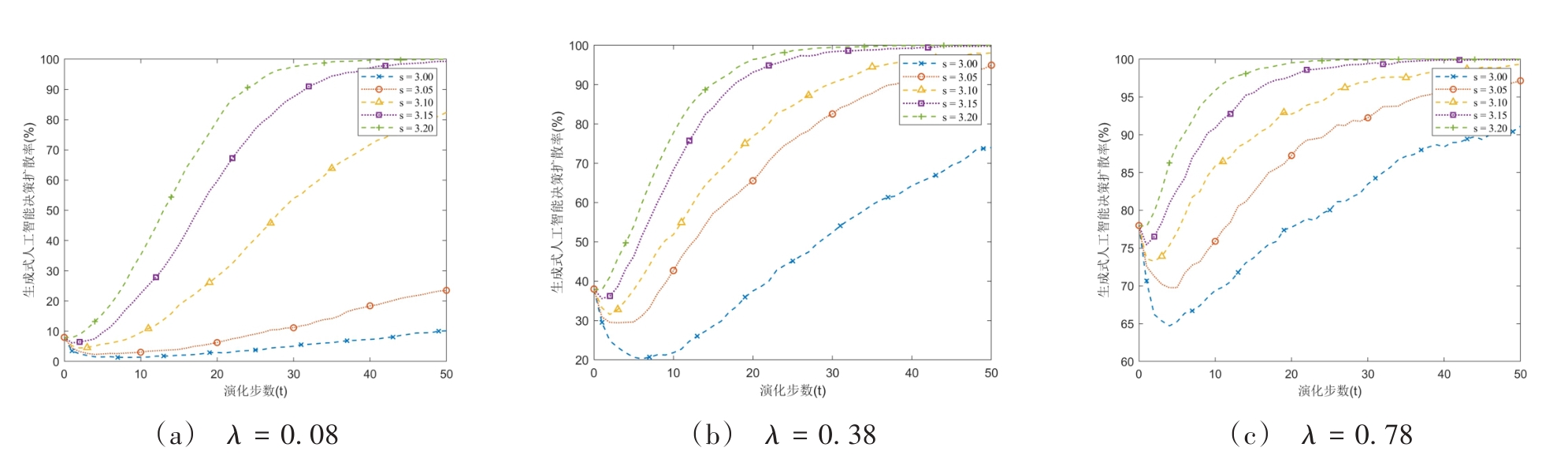
Impact of government subsidies s on technology diffusion with different initial enterprise proportions"

Fig.7

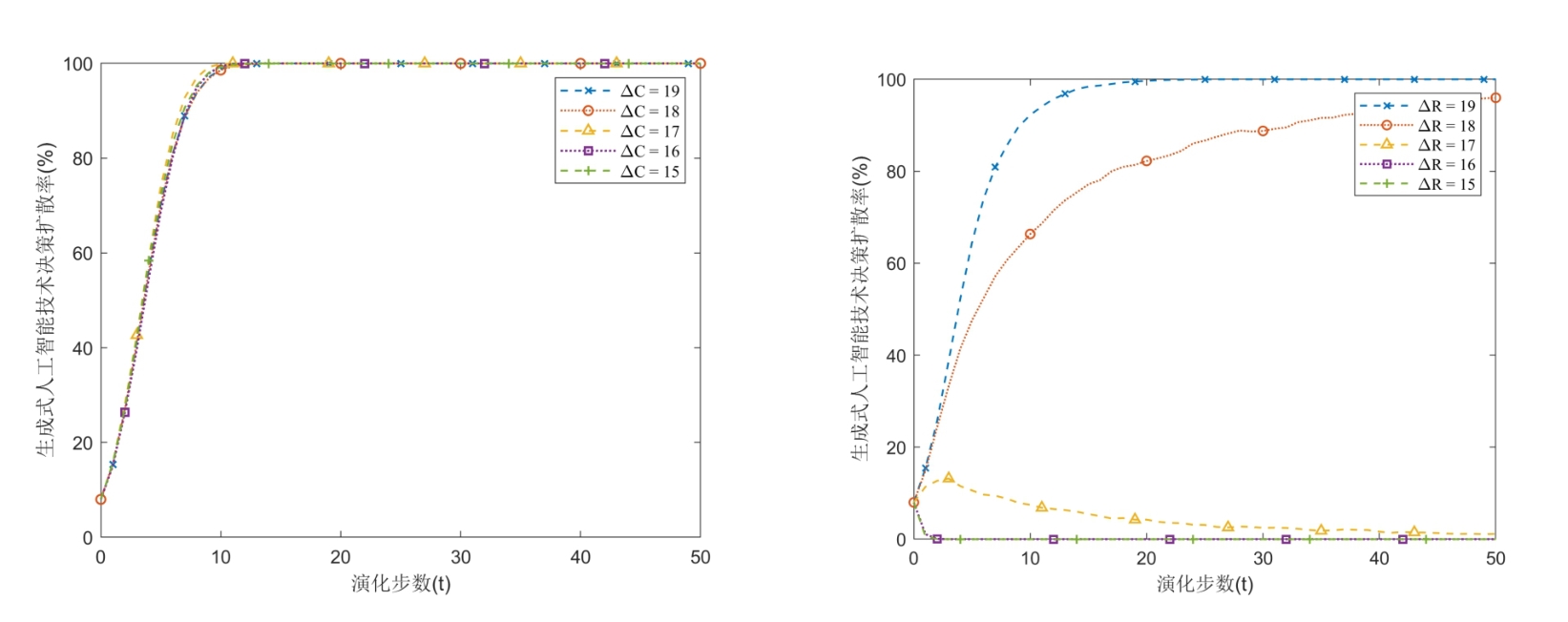
Impact of additional benefits and costs from generative artificial intelligence technology on technology diffusion"

Fig.8

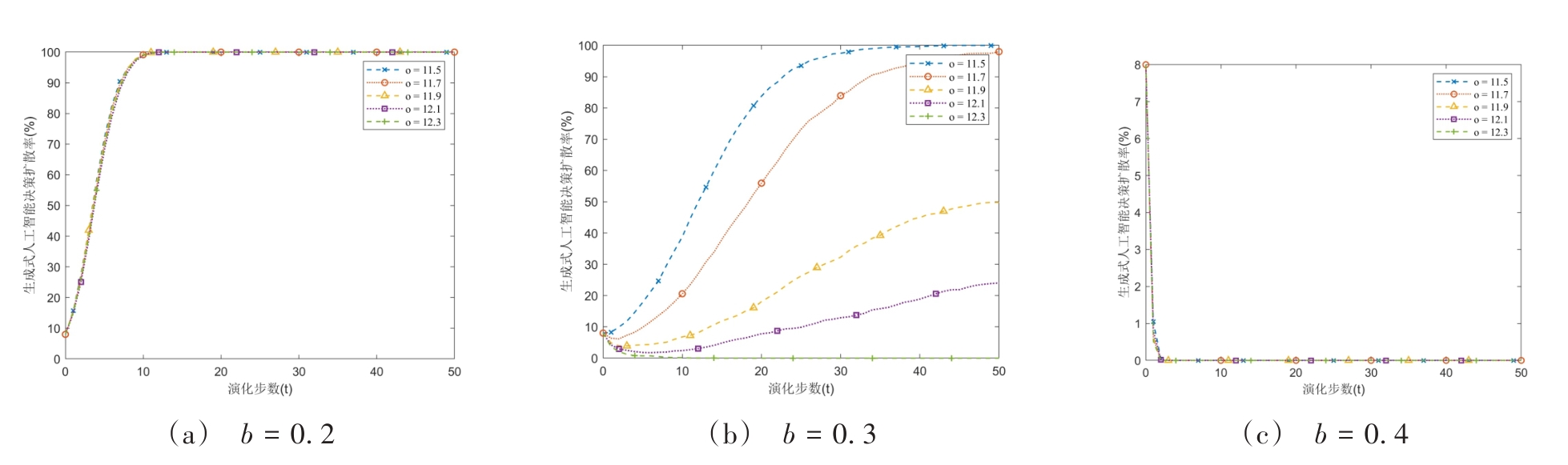
Impact of the likelihood of generative AI producing incorrect information b on technology diffusion"

Fig.9

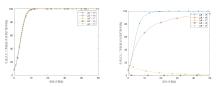
The impact of spillover ratio on technology diffusion"

[1]
简泽, 谭利萍, 吕大国, 等. 市场竞争的创造性、破坏性与技术升级[J]. 中国工业经济, 2017(5): 16-34.
JIAN Z, TAN L P, LYU D G, et al. Creativity and destructiveness of market competition and upgrading of technology[J]. China industrial economics, 2017(5): 16-34.
[2]
余波, 郭蕾, 温亮明, 等. 近20年我国情报学研究进展及未来趋势分析: 以《情报学进展》载文为例[J]. 图书情报工作, 2018, 62(21): 127-139.
YU B, GUO L, WEN L M, et al. Research progress and future tendency of information science in China in recent 20 years: Taking advances in information science as an example[J]. Library and information service, 2018, 62(21): 127-139.
[3]
JOVANOVIĆ M, CAMPBELL M. Generative artificial intelligence: Trends and prospects[J]. Computer, 2022, 55(10): 107-112.
[4]
汤贞友, 谢艺婕. 生成式人工智能数据使用的版权侵权风险及其治理[J]. 中国出版, 2024(21): 56-61.
TANG Z Y, XIE Y J. The risk of copyright infringement in the use of generative artificial intelligence data and its governance[J]. China publishing journal, 2024(21): 56-61.
[5]
何郁冰, 林欣慧. 基于复杂网络演化博弈的颠覆性技术扩散研究[J]. 软科学, 2024, 38(6): 28-36.
HE Y B, LIN X H. Research on disruptive technology diffusion based on complex network evolutionary game[J]. Soft science, 2024, 38(6): 28-36.
[6]
许佳琪, 汪雪锋, 雷鸣, 等. 从突破性创新到颠覆性创新: 内涵、特征与演化[J]. 科研管理, 2023, 44(2): 1-13.
XU J Q, WANG X F, LEI M, et al. From breakthrough innovation to disruptive innovation: Their connotations, characteristics and evolution[J]. Science research management, 2023, 44(2): 1-13.
[7]
HUNG S C, LAI J Y. Measuring the unpredictability of disruptive change: The comparison of the inkjet printer and digital photography[J]. IEEE transactions on engineering management, 2024, 71: 771-784.
[8]
张凌寒, 于琳. 从传统治理到敏捷治理: 生成式人工智能的治理范式革新[J]. 电子政务, 2023(9): 2-13.
ZHANG L H, YU L. From traditional governance to agile governance: Governance paradigm innovation of generative artificial intelligence[J]. E-Government, 2023(9): 2-13.
[9]
刘成, 莫生叶. 生成式人工智能应用中的意识形态安全边界厘清、风险监测及规制理路——基于DeepSeek、Manus、ChatGPT、Sora的思考[J/OL]. 重庆大学学报(社会科学版), 2025: 1-14.
LIU C, MO S Y. Clarification of ideological security boundaries, risk monitoring, and regulatory framework in generative AI applications - Reflections on DeepSeek、Manusand ChatGPT、Sora related technologies[J/OL]. Journal of Chongqing university (social science edition), 2025: 1-14.
[10]
陆卫明, 张文, 王明. 全球人工智能治理从“共识”到“共治”: 动力、挑战与路径[J]. 西安交通大学学报(社会科学版), 2025, 45(2): 63-77.
LU W M, ZHANG W, WANG M. From "consensus" to "co-governance" in global AI governance: Drivers, challenges, and pathways[J]. Journal of Xi'an Jiaotong University (social sciences), 2025, 45(2): 63-77.
[11]
王芳, 朱学坤, 刘清民, 等. 生成式人工智能研究进展[J]. 图书与情报, 2024(4): 45-64.
WANG F, ZHU X K, LIU Q M, et al. Research progress of generative artificial intelligence[J]. Library and information, 2024(4): 45-64.
[12]
张文杰. 提示词治理: DeepSeek等国产大模型内容生成的人机协同模式[J]. 苏州大学学报(哲学社会科学版), 2025, 46(4): 169-180.
ZHANG W J. Prompt governance: A study on human-machine collaboration models for content generation in the era of large language models based on DeepSeek[J]. Journal of Soochow University (philosophy & social science edition), 2025, 46(4): 169-180.
[13]
姚加权, 张锟澎, 郭李鹏, 等. 人工智能如何提升企业生产效率?: 基于劳动力技能结构调整的视角[J]. 管理世界, 2024, 40(2): 101-116, 133, 117-122.
YAO J Q, ZHANG K P, GUO L P, et al. How does artificial intelligence improve firm Productivity? Based on the perspective of labor skill structure adjustment[J]. Journal of management world, 2024, 40(2): 101-116, 133, 117-122.
[14]
林晓玥, 吴冲. 生成式人工智能管理的研究综述及展望[J]. 软科学, 2025, 39(4): 83-91.
LIN X Y, WU C. Review and prospect of generative artificial intelligence management[J]. Soft science, 2025, 39(4): 83-91.
[15]
张展培, 梁洁莹, 刘小勇, 等. 生成式人工智能、就业变动与收入不平等[J]. 南方经济, 2024(8): 45-69.
ZHANG Z P, LIANG J Y, LIU X Y, et al. Generative artificial intelligence, employment change and income inequality[J]. South China journal of economics, 2024(8): 45-69.
[16]
罗映宇, 朱国玮, 钱无忌, 等. 人工智能时代的算法厌恶: 研究框架与未来展望[J]. 管理世界, 2023, 39(10): 205-233.
LUO Y Y, ZHU G W, QIAN W J, et al. Algorithm aversion in the era of artificial intelligence: Research framework and future prospect[J]. Management world, 2023, 39(10): 205-233.
[17]
朱光辉, 王喜文. ChatGPT的运行模式、关键技术及未来图景[J]. 新疆师范大学学报(哲学社会科学版), 2023, 44(4): 113-122.
ZHU G H, WANG X W. ChatGPT: Operation mode, key technology and future prospects[J]. Journal of Xinjiang normal university (philosophy and social sciences), 2023, 44(4): 113-122.
[18]
谢梅, 王世龙. ChatGPT出圈后人工智能生成内容的风险类型及其治理[J]. 新闻界, 2023(8): 51-60.
XIE M, WANG S L. Risk types and governance of artificial intelligence generated content after ChatGPT's explosive trending[J]. Journalism and mass communication, 2023(8): 51-60.
[19]
姜智彬, 周杨. 阶段型颠覆式创新: 生成式人工智能对广告产业的影响研究[J]. 编辑之友, 2023(11): 59-66.
JIANG Z B, ZHOU Y. Stage-based disruptive innovation: Impact of generative artificial intelligence on advertising industry[J]. Editorial friend, 2023(11): 59-66.
[20]
官建成, 张西武. 政府中介机构及补贴政策对技术创新扩散速度的影响: 技术政策研究[J]. 系统工程理论与实践, 1995, 15(8): 6-12.
GUAN J C, ZHANG X W. A study on theInfluences of the government intermediary mechanism and subsidy policies on the diffusion rate of technological innovation[J]. Systems engineering-theory & practice, 1995, 15(8): 6-12.
[21]
ZOU C, HUANG Y C, HU S L, et al. Government participation in low-carbon technology transfer: An evolutionary game study[J]. Technological forecasting and social change, 2023, 188: 122320.
[22]
王佰川, 杜创. 人工智能技术创新扩散的特征、影响因素及政府作用研究: 基于A股上市公司数据[J]. 北京工业大学学报(社会科学版), 2022, 22(3): 142-158.
WANG B C, DU C. Research on the characteristics, influencing factors and government role in artificial intelligence technology innovation diffusion: Based on the data of A-share listed companies[J]. Journal of Beijing university of technology (social sciences edition), 2022, 22(3): 142-158.
[23]
谢荣见, 贾玉财, 周小虎, 等. 异质网络环境下绿色技术创新扩散决策研究[J/OL]. 科研管理, 2024: 1-14.
XIE R J, JIA Y C, ZHOU X H, et al. Research on decision-making for the diffusion of green technological innovation in heterogeneous network environments[J/OL]. Science research management, 2024: 1-14.
[24]
张帆, 伍晨. 政策选择、企业创新模式与后发企业追赶[J]. 软科学, 2023, 37(8): 1-8.
ZHANG F, WU C. Policy choice, enterprise innovation mode and latecomer enterprise catch up[J]. Soft science, 2023, 37(8): 1-8.
[25]
PRIKSHAT V, MALIK A, BUDHWAR P. AI-augmented HRM: Antecedents, assimilation and multilevel consequences[J]. Human resource management review, 2023, 33(1): 100860.
[26]
] R L [ AL. Radical Innovation: How Mature Companies Can Outsmart Upstarts[M]. Boston, Mass.: Harvard Business School Press, 2000.
[27]
CHRISTENSEN C M, RAYNOR M E. The Innovator's Solution: Creating and Sustaining Successful Growth[M]. Boston, Massachusetts: Harvard Business Review Press, 2013.
[28]
陈帅朴, 刘政昊, 姚志臻, 等. 基于三方演化博弈的智能诊疗服务推广研究[J]. 现代情报, 2025, 45(12): 142-154.
CHEN S P, LIU Z H, YAO Z Z, et al. Research on the promotion of intelligent diagnosis and treatment services based on three party evolutionary game theory[J]. Modern intelligence, 2025, 45(12): 142-154.
[29]
周文杰, 杨阳. 数据要素管理[M]. 北京: 知识产权出版社, 2025.
ZHOU W J, YANG Y. Data element management[M]. Beijng: Intellectual Property Publishing House, 2025.
[30]
王璐, 马庆庆, 杨劫, 等. 基于复杂网络演化博弈的绿色消费者对新能源汽车扩散的影响研究[J]. 中国管理科学, 2022, 30(4): 74-85.
WANG L, MA Q Q, YANG J, et al. Research on the influence of green consumers on the diffusion of new energy vehicles based on complex network evolutionary game[J]. Chinese journal of management science, 2022, 30(4): 74-85.
[31]
王林辉, 钱圆圆, 周慧琳, 等. 人工智能技术冲击和中国职业变迁方向[J]. 管理世界, 2023, 39(11): 74-93.
WANG L H, QIAN Y Y, ZHOU H L, et al. The impact of artificial intelligence technology and the direction of career change in China[J]. Management world, 2023, 39(11): 74-93.
[32]
ROGERS E M. Diffusion of Innovations, 5th Edition[M]. New York: Free Press, 2003.
[33]
THØGERSEN J, ZHOU Y F. Chinese consumers' adoption of a "green" innovation - The case of organic food[J]. Journal of marketing management, 2012, 28(3/4): 313-333.
[34]
侯剑华, 刘恒一, 李丹阳. 专利组合对企业技术扩散的影响研究: 以新能源汽车领域为例[J]. 情报理论与实践, 2025, 48(5): 138-146, 157.
HOU J H, LIU H Y, LI D Y. Research on the impact of patent portfolio on enterprise technology diffusion: A case study of the new energy vehicle[J]. Information studies: Theory & application, 2025, 48(5): 138-146, 157.
[35]
陈锐, 江奕辉. 生成式AI的治理研究: 以ChatGPT为例[J]. 科学学研究, 2024, 42(1): 21-30.
CHEN R, JIANG Y H. A study of the governance of generative AI: Taking ChatGPT as an example[J]. Studies in science of science, 2024, 42(1): 21-30.
[36]
陈晨. 论人工智能生成内容的可版权性问题: 以ChatGPT生成内容为例[J]. 科技与出版, 2023(6): 98-106.
CHEN C. On the copyright of the content generated by artificial intelligence: Taking ChatGPT as an example[J]. Science-technology & publication, 2023(6): 98-106.
[37]
何大安, 吴振宇. 生成式AI前景与企业选择行为[J]. 社会科学战线, 2024(9): 95-105.
HE D A, WU Z Y. The prospects of generative AI and firm decision-making behavior[J]. Social science front, 2024(9): 95-105.
[38]
周涛, 张春雷, 邓胜利. 基于C-A-C的生成式AI用户间歇性中辍行为研究[J]. 现代情报, 2025, 45(3): 40-50, 64.
ZHOU T, ZHANG C L, DENG S L. Research on generative AI users' intermittent discontinuance based on the C-A-C[J]. Journal of modern information, 2025, 45(3): 40-50, 64.
[39]
MITCHELL R K, AGLE B R, WOOD D J. Toward a theory of stakeholder identification and salience: Defining the principle of who and what really counts[J]. The academy of management review, 1997, 22(4): 853-886.
[40]
马阅欢, 方佳明, 杨慧颖, 等. 机器的觉醒: 生成式AI溯源、演进与展望[J]. 南开管理评论, 2024, 27(4): 66-77.
MA Y H, FANG J M, YANG H Y, et al. The rising of the machine: Generative AI traceability, evolution, and future prospects[J]. Nankai business review, 2024, 27(4): 66-77.
[41]
何大安. 生成式AI、企业竞争路径与产业组织架构[J]. 求索, 2024(5): 61-71.
HE D A. Generative AI, enterprise competition path, and industrial organization structure[J]. Seeker, 2024(5): 61-71.
[42]
郭小东. 生成式人工智能的风险及其包容性法律治理[J]. 北京理工大学学报(社会科学版), 2023, 25(6): 93-105, 117.
GUO X D. Risks of generative artificial intelligence and its inclusive legal governance[J]. Journal of Beijing institute of technology (social sciences edition), 2023, 25(6): 93-105, 117.
[43]
赵宇翔, 景雨田, 宋士杰, 等. AIGC赋能的提示素养: 生成式AI时代的人智交互能力重构[J]. 情报资料工作, 2025, 46(3): 14-25.
ZHAO Y X, JING Y T, SONG S J, et al. Prompt literacy for AIGC empowerment: Reconstructing human-AI interaction capabilities in the generative AI era[J]. Information and documentation services, 2025, 46(3): 14-25.
[44]
马银琦, 黄恒, 毋磊, 等. “技术赋能”还是“工具依赖”: 生成式人工智能对研究生科研创新力的影响研究[J]. 电化教育研究, 2024, 45(12): 58-66.
MA Y Q, HUANG H, WU L, et al. "Technology empowerment" or "tool dependency": A study on the impact of generative artificial intelligence on graduate students' research and innovation ability[J]. E-education research, 2024, 45(12): 58-66.
[45]
李婉红, 李娜. 基于复杂网络的制造企业智能化转型动态博弈及仿真: 考虑政府与消费者的驱动效应[J]. 软科学, 2022, 36(3): 39-47.
LI W H, LI N. Dynamic game and simulation of intelligent upgrade of manufacturing enterprise based on complex network: Considering the driving effect of government and consumers[J]. Soft science, 2022, 36(3): 39-47.
[46]
柳光强. 税收优惠、财政补贴政策的激励效应分析: 基于信息不对称理论视角的实证研究[J]. 管理世界, 2016, 32(10): 62-71.
LIU G Q. Analysis of incentive effects of tax preference and financial subsidy policies: An empirical study based on the perspective of information asymmetry theory[J]. Management world, 2016, 32(10): 62-71.
[47]
谢逢洁. 复杂网络上的博弈[M]. 北京: 清华大学出版社, 2016.
XIE F J. Game on complex network[M]. Beijing: Tsinghua University Press, 2016.
[48]
路世昌, 仪宣彤, 李丹, 等. 制造企业数字化转型决策两阶段复杂网络博弈仿真分析[J]. 软科学, 2024, 38(5): 29-38.
LU S C, YI X T, LI D, et al. Simulation analysis of two-stage complex network game in digital transformation decision of manufacturing enterprises[J]. Soft science, 2024, 38(5): 29-38.
[49]
李飞云, 苏秦, 张子鸣. 基于复杂网络的区块链技术扩散研究: 考虑政府、企业和消费者偏好的影响[J]. 科技管理研究, 2025, 45(9): 165-174.
LI F Y, SU Q, ZHANG Z M. Blockchain technology diffusion research based on complex networks: Considering the impact of government, enterprises, and consumer preferences[J]. Science and technology management research, 2025, 45(9): 165-174.
[50]
郭海玲, 卫金金, 刘仲山. 生成式人工智能虚假信息协同共治研究[J]. 情报杂志, 2024, 43(9): 121-129, 165.
GUO H L, WEI J J, LIU Z S. Research on collaborative governance with generative artificial intelligence in disinformation[J]. Journal of intelligence, 2024, 43(9): 121-129, 165.
[1] XIA Sudi, ZHANG Shuai, ZHANG Shumin, XIE Jing. An Evolutionary Game Analysis of Knowledge Sharing in Online Medical Communities in a Service Ecosystem Environment [J]. Journal of library and information science in agriculture, 2025, 37(6): 37-54.
[2] TAN Miao, DAI Mengfei. Empowered Digital Reading Promotion of Historical Documents with Generative AI [J]. Journal of library and information science in agriculture, 2025, 37(4): 83-93.
[3] ZHANG Tao, LYU Qianhui. Generative AI Governance Practices in Europe and the United States and the Enlightenment for China [J]. Journal of library and information science in agriculture, 2025, 37(4): 12-23.
[4] LI Huimiao, NIU Xiaohong, MA Zhuo, GUO Mohan. Evolutionary Game Research on Stakeholder Decision-Making in Preprint Platform [J]. Journal of library and information science in agriculture, 2025, 37(2): 75-87.
[5] Fan YUAN, Jia LI. Opportunities, Challenges, and Future Directions for Generative Artificial Intelligence in Library Information Literacy Education: A Scoping Review [J]. Journal of library and information science in agriculture, 2024, 36(9): 44-57.
[6] BIN Ning, RONG Jianbang, LIANG Chuyin, CHEN Huannv, HU He. Evolution of Public Opinion on Public Emergencies and Government Response under the Influence of Emotional Factors: Based on the Perspective of the Tripartite Game [J]. Journal of library and information science in agriculture, 2024, 36(1): 46-57.
[7] TI Huiying, GENG Qian, JIN Jian. A COPRA Based Algorithm for Subject Division [J]. Journal of library and information science in agriculture, 2021, 33(1): 41-52.
[8] HUANG Shan, PU Hongyu, MA Jie. Collaborative Effect Measurement of Intelligent Government Information Based on Complex Network [J]. Journal of library and information science in agriculture, 2020, 32(5): 19-30.
[9] YU Dengke, PENG Jing, LIU Yanhong, XIAO Huan, ZHOU Rong. The Trend and Hotspots of Agricultural Technology Diffusion in Domestic and Foreign Areas [J]. Journal of library and information science in agriculture, 2018, 30(2): 6-17.
[10] Zhou Rong, Yu Dengke, Jin Entao. The Impact Relationship among Knowledge Sharing among Farmers, Agricultural Technology Diffusion, and Agricultural Sci-tech Achievements Transformation: A Research Framework [J]. Journal of library and information science in agriculture, 2018, 30(2): 28-34.
Viewed
Full text


Abstract

Cited

  Shared   
  Discussed   
No Suggested Reading articles found!